









Not sure what to record in a gym equipment inspection log? A clear log helps you spot wear and keep track of problems.
The simple answer is to record the equipment ID, inspection date, condition, wear, safety issues, and repairs needed. These details are usually enough for a useful inspection record.
As a Machinery & Structural Engineer at YR Fitness, I work closely with frames, cables, pulleys, bearings, and other machine components. This hands-on experience helps me recognize which inspection details are most useful for catching problems early.
Below, I’ll show you exactly what to record in each section. Keep reading, and you can build a simple log that is easy to use.
1. Equipment Name and Identification
Start by identifying exactly which machine you inspected.
Record:
- Equipment name
- Machine type
- Brand
- Model
- Serial number
- Equipment or asset number
- Location in the gym
Why does this matter?
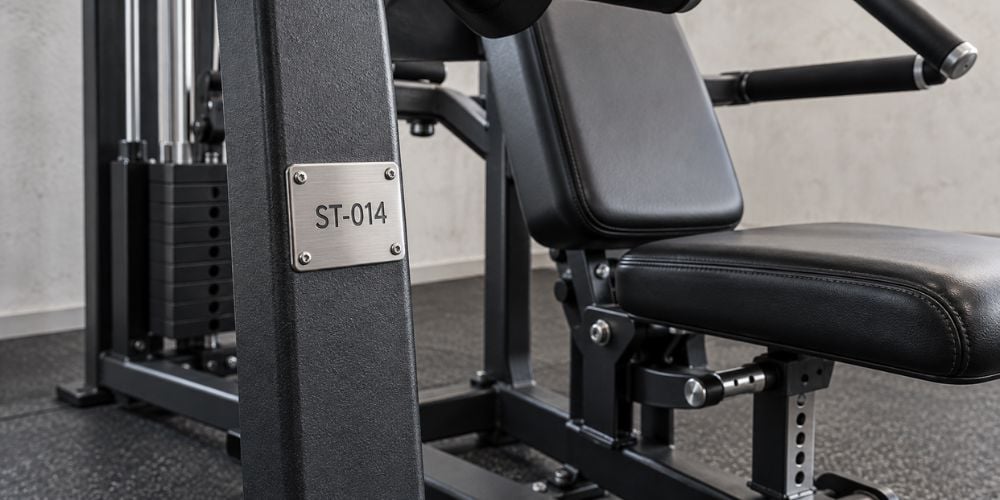
If there are three chest press machines, simply writing “chest press” does not tell you which one had the problem.
A clearer entry would be:
Chest Press — Machine ID ST-014 — Strength Area
For a small training area, the equipment name and location may be enough. For a larger facility, I recommend adding the model, serial number, or equipment ID.
That small detail can save plenty of confusion later.
2. Inspection Date and Inspector
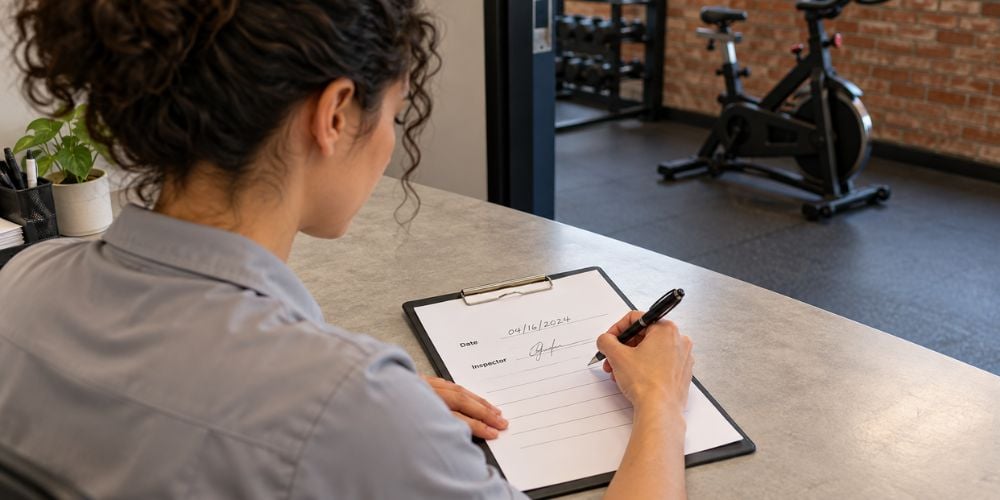
Every inspection should show when it happened and who performed it.
Record:
- Inspection date
- Inspection time, if necessary
- Inspector name or initials
Equipment conditions change over time. A cable that looked normal last month may show visible wear during the next inspection.
The UK’s HSE guidance on equipment inspections also recommends recording inspection results where formal inspections are required and keeping those records available until at least the next inspection. It also notes that inspection frequency should reflect risks, equipment condition, manufacturer recommendations, and experience.
Here is what a basic record could look like:
Item | Example |
Inspection Date | September 9 |
Inspector | J. Smith |
Equipment | Lat Pulldown |
Equipment ID | ST-021 |
Location | Strength Area |
You do not need a long description here. You mainly need to know which machine was checked, who checked it, and when.
3. Overall Equipment Condition
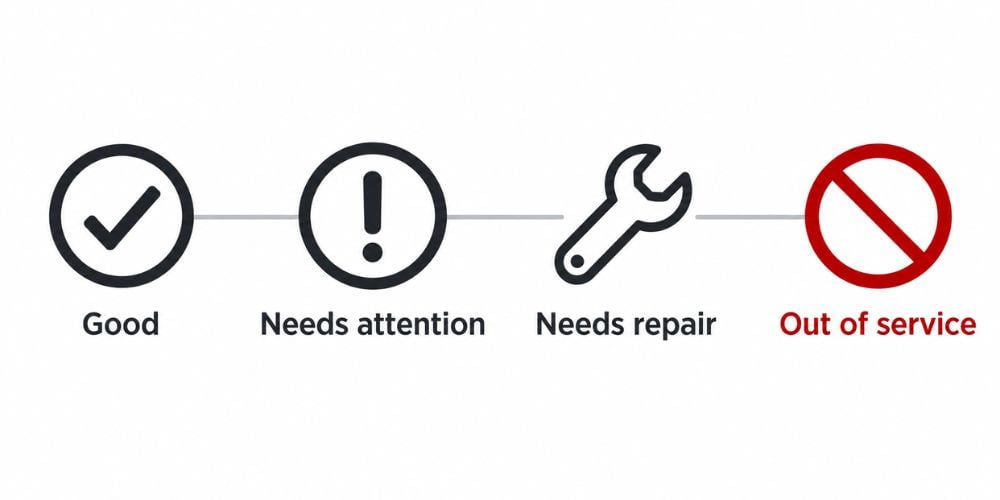
Next, give the machine a simple condition rating.
You can use:
- Good
- Needs attention
- Needs repair
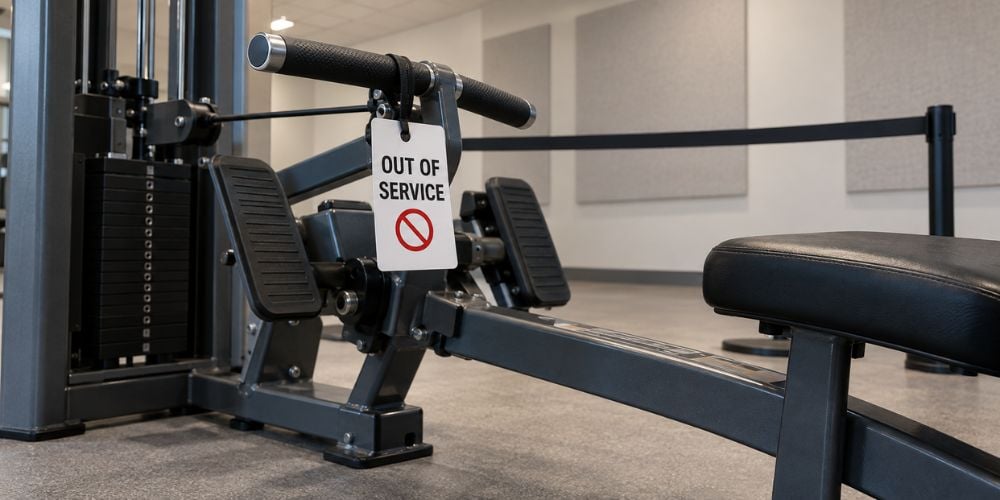
- Out of service
This lets you understand the general condition before reading the detailed notes.
For example, slightly worn upholstery may be marked Needs Attention. A machine with a damaged cable may need to be marked Out of Service.
Keep the Rating Easy
I prefer simple ratings because anyone can understand them quickly.
If an inspection system becomes too complicated, people may start treating it like a box-ticking exercise instead of actually looking at the machine. HSE makes a similar point, warning that excessive inspection detail can become burdensome and reduce the effectiveness of the process.
The ACSM Health/Fitness Facility Standards and Guidelines also cover facility equipment and includes supporting material such as preventive maintenance schedules and checklists. That is a good reminder that equipment condition and maintenance records belong together.
4. Wear, Damage, or Unusual Changes
Now record anything that looks, sounds, or feels different from normal.
Common examples include:
- Loose bolts
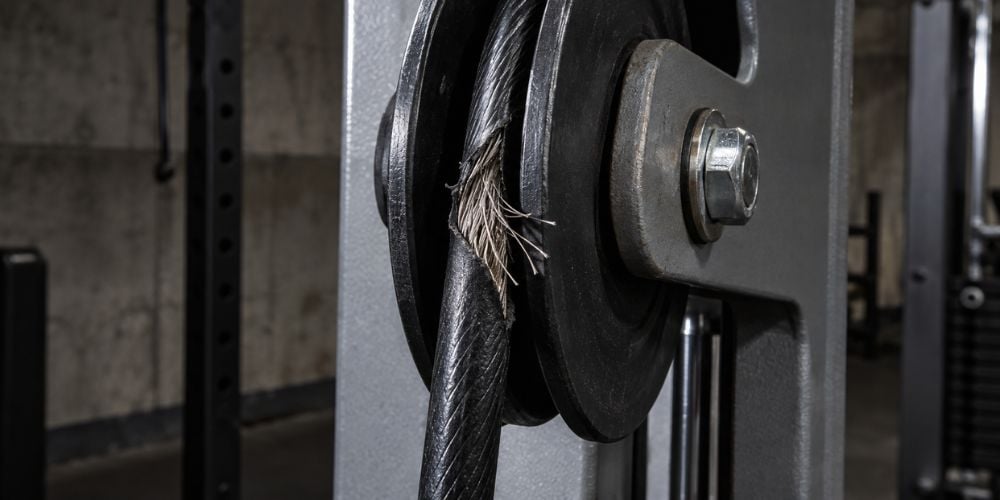
- Frayed cables
- Cracked upholstery
- Damaged grips
- Worn treadmill belts
- Rust or corrosion
- Bent components
- Loose pedals
How detailed should you be?
Enough that another person can understand the problem without asking you what you meant.
Instead of writing:
Cable worn
Write:
Upper cable showing visible fraying near the pulley.
I often see vague notes create confusion during the next inspection. A specific description lets you compare the machine later and see whether the problem is staying the same or getting worse.
Also, pay attention to changes that are not obvious visually.
A new knocking sound, extra vibration, sticky adjustment pin, or uneven movement may be worth recording even if nothing looks broken yet.
If repeated inspection problems are making you question the condition of older equipment, compare the construction and commercial equipment options from YR Fitness. We design our commercial strength and cardio equipment around durable frames, practical adjustment systems, solid materials, and heavy daily use, so you can compare these areas when deciding whether equipment should be maintained or eventually replaced.
5. Safety Problems
Any problem that could affect safe use should be clearly recorded.
Watch for:
- Loose structural parts
- Damaged cables
- Broken adjustment pins
- Missing guards
- Unstable frames
- Faulty emergency stops
If a machine appears unsafe, do not simply write down the problem and continue using it. Mark its status clearly and remove it from use when necessary.
For a general machinery-safety reference, OSHA’s machine-guarding requirements emphasize protecting users from hazards created by moving parts and keeping guards properly secured. Gym machines are not all covered in the same way as industrial machinery, but this is still a useful safety principle when checking exposed moving components and protective guards.
Use a simple status system:
Problem Found | Suggested Log Status | Next Step |
Small upholstery tear | Monitor | Check during next inspection |
Loose bolt | Repair needed | Tighten and recheck |
Damaged cable | Stop using | Repair or replace before use |
Broken adjustment pin | Stop using | Replace and test |
Minor cosmetic scratch | Safe to use | Record if needed |
Is the Problem Serious?
Ask one simple question:
Could this problem affect the user’s control, stability, or movement?
If yes, the machine deserves closer attention before it is used again.
When I inspect equipment, I also pay attention to whether a problem could suddenly change how the machine moves. A small cosmetic mark and a loose structural part clearly do not deserve the same priority.
6. Maintenance or Repair Needed
Finding a problem is only useful if you also record what should happen next.
Possible actions include:
- Tighten bolts
- Lubricate moving parts
- Replace cable
- Replace upholstery
- Adjust belt
- Inspect bearing
- Replace grip
- Check electrical connection
- Call a technician
You can also record:
- Repair priority
- Person responsible
- Expected repair date
- Repair completion date
- Follow-up inspection date
The HSE’s work-equipment maintenance guidance specifically notes that where machinery has a maintenance log, it should be kept up to date. It also recommends planned maintenance and a clear reporting process for problems people notice while using equipment.
A simple record might look like this:
Problem: Loose left pedal
Action: Tighten and inspect pedal assembly
Status: Maintenance required
Follow-up: Check again after repair
That gives you a clear path:
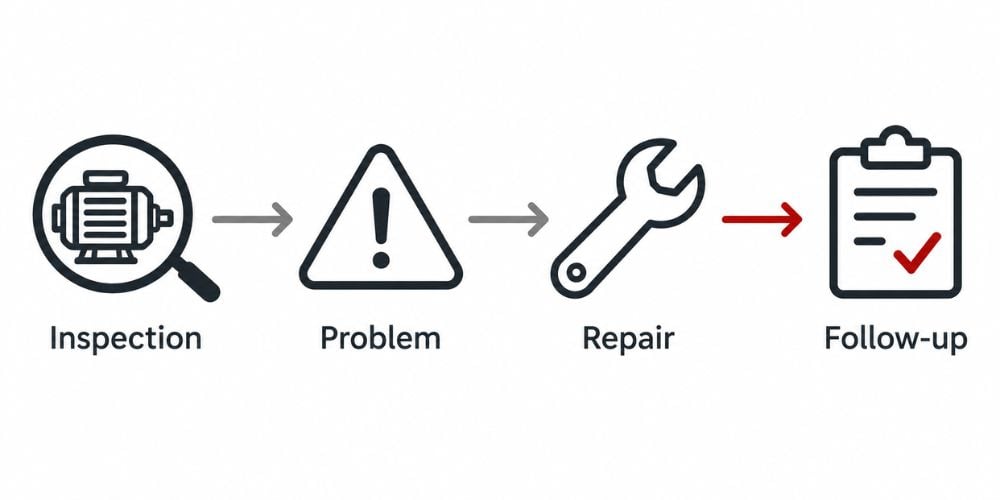
Inspection → Problem → Repair → Follow-up
Do not stop the record at “problem found.” The useful part is showing what happened next.
Conclusion
A good gym equipment inspection log records the machine, inspection date, condition, damage, safety concerns, and required repairs.
I would rather see a short inspection log used properly than a complicated one that gets ignored. Clear records give you a much better picture of how equipment is actually holding up over time.
If your inspection history shows that some machines are reaching the point where repairs keep adding up, take a look at the commercial-grade strength and cardio equipment from YR Fitness.
Related articles:



