








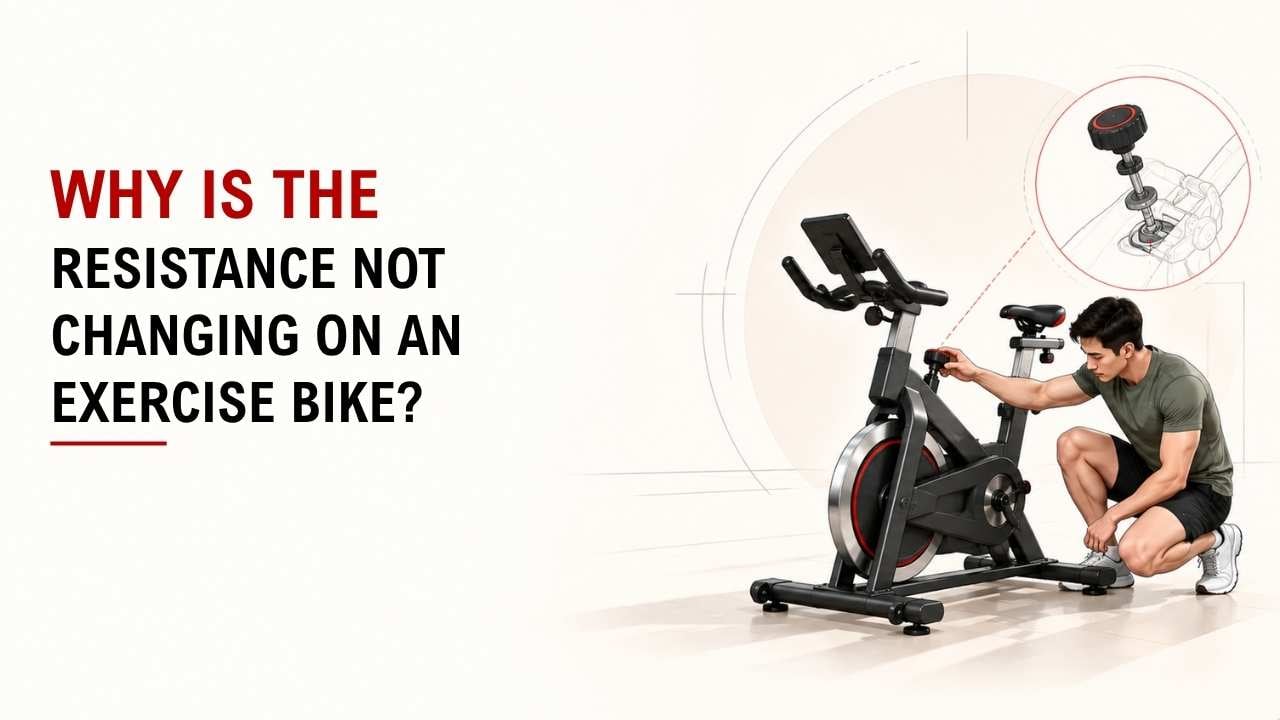

Have you changed the resistance on your exercise bike, but the pedals still feel the same? It is frustrating when the knob or screen responds, but your legs feel no difference.
The short answer is: the bike may already be at its resistance limit, or there may be a problem with the knob, cable, brake pad, magnetic system, or console. Some causes take only a minute to check, while others may need repair.
As a Machinery & Structural Engineer at YR Fitness, I work with resistance systems, flywheels, cables, frames, and other moving parts used in fitness equipment. I often see resistance problems start with one small component that is no longer moving or connecting properly.
Below, I’ll walk you through the six most common reasons your resistance stops changing. Start with the simple checks first, then move down the list if the problem continues.
1. The Resistance Is Already at Its Minimum or Maximum
Start with the easiest check.
If your bike is already at its lowest resistance level, turning it lower will not make pedaling easier. The same applies if it is already at the highest setting.
Try this:
- Set the bike to level 1.
- Pedal for a few seconds.
- Move to the highest resistance level.
- Compare how the pedals feel.
There should be a noticeable difference.
Different bikes use different resistance ranges. For example, a current Life Fitness bike console guide uses levels 1 to 25 and allows the rider to adjust the level during a workout.
Do the lowest and highest settings feel almost the same?
If yes, the problem is probably somewhere else in the resistance system.
2. The Resistance Knob Is Not Engaging
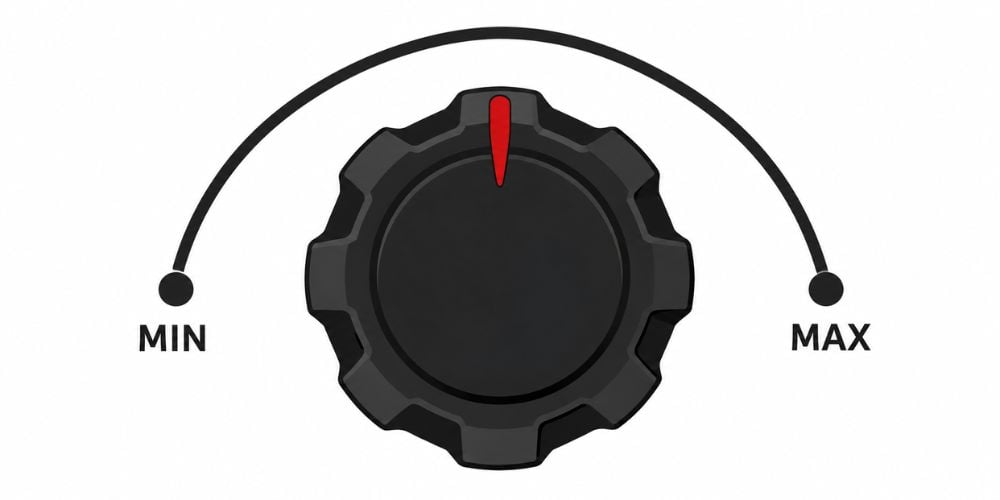
Manual exercise bikes often use a resistance knob.
When you turn it, the knob should move another part inside the bike that increases or reduces resistance. Sometimes the knob still turns, but the mechanism behind it no longer follows.
Look for these signs:
- The knob feels unusually loose.
- It keeps turning without much resistance.
- Nothing changes when you turn it.
- The knob suddenly feels different from before.
I usually recommend turning the knob slowly instead of forcing it. If something has become disconnected inside, extra force can make the problem worse.
3. The Resistance Cable Is Loose or Disconnected
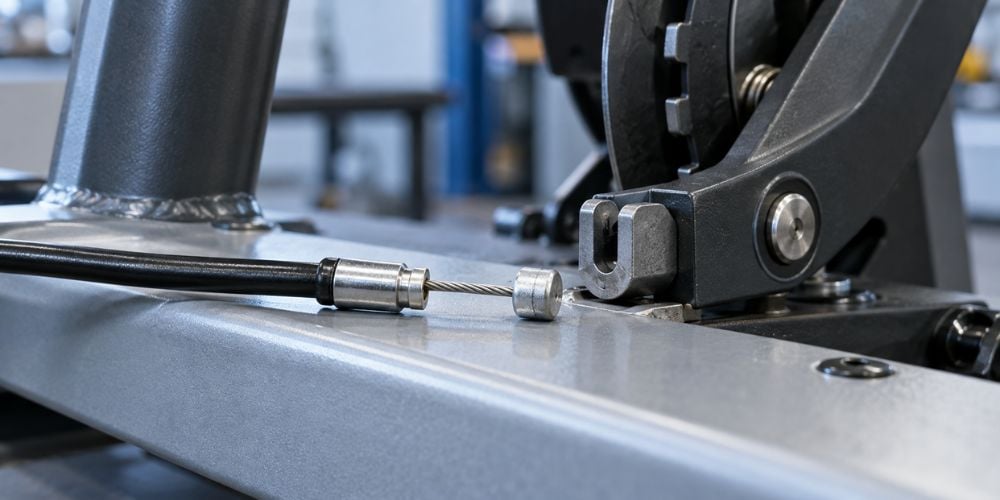
Some exercise bikes use a cable between the resistance knob and the braking system.
Think of it a little like a bicycle brake cable. Turning the knob pulls or releases the cable, which changes the resistance.
If that cable becomes loose, stretched, or disconnected, the knob may move without changing anything at the flywheel.
Common signs include:
- Resistance suddenly becomes very light.
- Turning the knob does nothing.
- The knob feels looser than usual.
- Resistance worked normally before and then stopped.
I often see people assume the whole resistance system has failed when the real problem is simply the connection between the control and resistance mechanism.
If reaching the cable requires removing covers, check the bike’s manual first. Do not open electrical or mechanical sections if you are not comfortable working around them.
If repeated resistance problems are making you question the bike itself, it may be worth comparing how commercial machines are designed for frequent use. We build YR Fitness cardio and strength equipment around reliable components and practical daily operation, so you can explore our equipment options here before deciding whether another repair or a different machine makes more sense.
4. The Brake Pad Is Worn or Misaligned
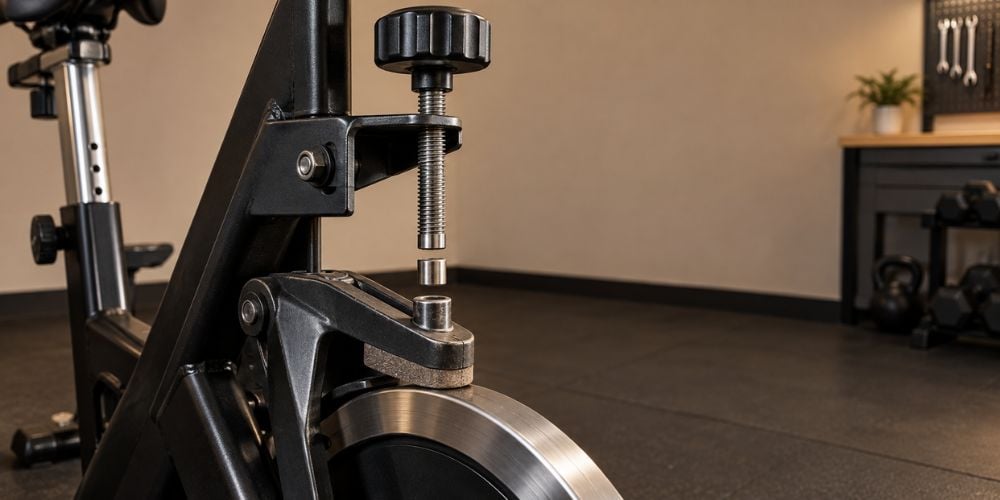
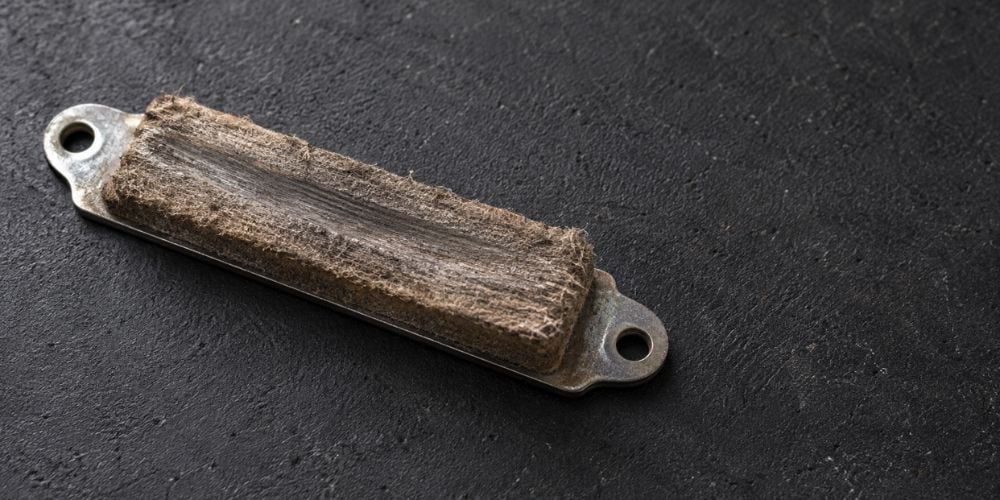
Some exercise bikes create resistance through friction.
A brake pad presses against the flywheel. More pressure means more resistance.
Over time, that pad can wear down or move out of position.
What You Notice | Possible Cause |
Resistance stays very light | Worn brake pad |
Resistance changes unevenly | Misaligned pad |
Scraping sound | Pad contacting the flywheel incorrectly |
Knob moves but resistance does not | Pad or cable problem |
Can you keep using the bike?
If the resistance is simply lighter than normal, you may still be able to pedal. On the other hand, scraping, grinding, or rubbing sounds deserve attention.
A badly positioned pad can create more wear if you continue using it.
5. The Magnetic Resistance System Is Not Moving
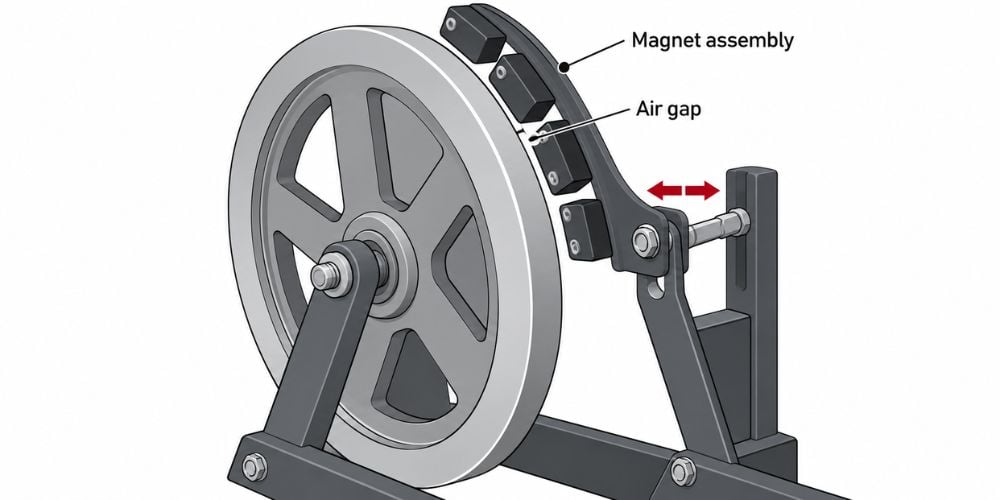
Many modern exercise bikes use magnetic resistance instead of a friction pad.
Magnets sit near the flywheel. Moving them closer or farther away changes how much resistance you feel, usually without direct contact with the flywheel.
Magnetic systems can offer very fine adjustment. For example, the Schwinn 800IC specification page lists 100 levels of magnetic resistance.
But what if the mechanism stops moving?
Possible causes include:
- A stuck magnetic assembly.
- A damaged adjustment mechanism.
- A failed resistance motor.
- A loose internal connection.
- A mechanical part blocking movement.
Here is a useful clue:
The display shows a different resistance level, but your legs feel no difference.
That can mean the bike is registering the command, but the resistance mechanism is not actually responding.
Magnetic resistance itself is a well-established indoor cycling design. Keiser, for example, specifically describes its M3i indoor bike as designed for magnetic resistance.
If the resistance suddenly becomes extremely heavy, do not force the pedals. A stuck mechanism should be checked before you continue.
6. The Console Is Not Sending the Resistance Command
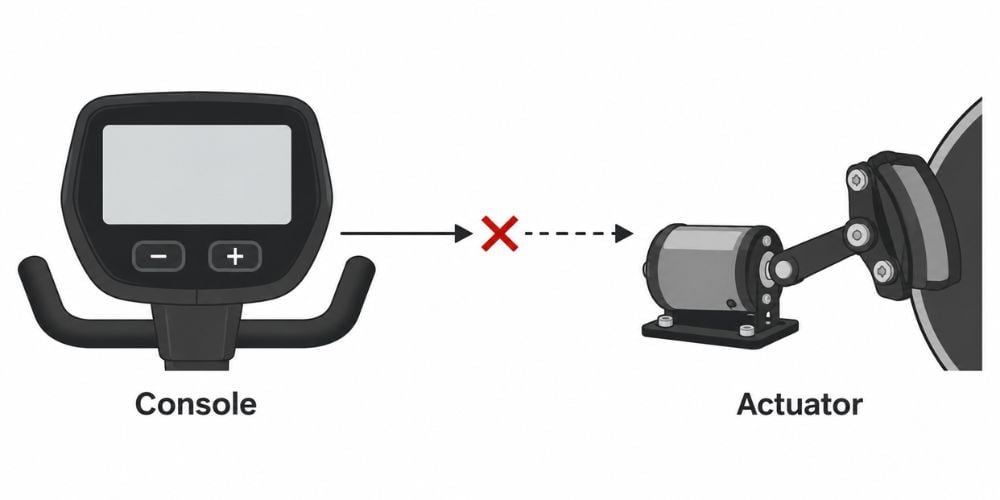
Electronic exercise bikes often control resistance through the console.
You press a button, select a level, and the console sends a command to the resistance system.
If that command does not reach the adjustment mechanism, the resistance stays the same.
You may notice:
- The resistance number changes, but pedaling feels the same.
- The resistance buttons do not respond.
- The display freezes.
- Resistance stays at one level after startup.
- Resistance works sometimes but not always.
Before assuming the console has failed, try a basic restart.
Turn the bike off, unplug it if required, wait briefly, and restart it according to the manufacturer’s instructions. Also check the power adapter and its connection.
If the screen works but the resistance still does not change, the problem may be between the console and resistance mechanism, rather than the display itself.
Conclusion
If your exercise bike resistance is not changing, the cause is usually one of six things: the resistance limit, adjustment knob, cable, brake pad, magnetic system, or console.
Start with the resistance settings and controls before assuming something major has failed.
If you are thinking about replacing a bike rather than continuing to repair it, YR Fitness offers commercial-grade fitness equipment designed for repeated daily training. Explore YR Fitness equipment and compare your options before choosing the setup that fits the way you train.
Related articles:



