








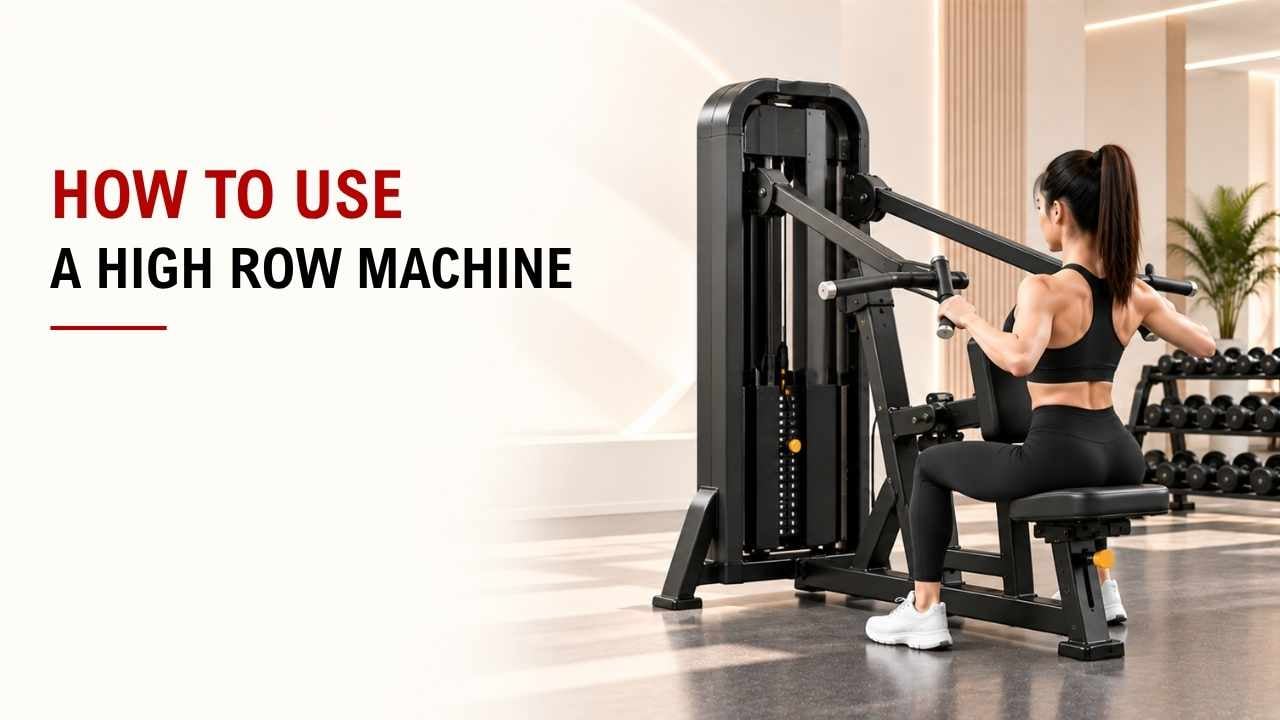

Not sure how to use a high row machine without pulling mostly with your arms? A few small setup changes can make the exercise feel much better.
The short answer is: adjust the seat, choose a manageable weight, grip the handles, pull your elbows down and back, squeeze your back, and return slowly. Good control matters more than lifting the heaviest weight.
As an Exercise Physiology & Biomechanics Expert at YR Fitness, I study how machine setup and movement affect muscle tension. I often see people feel the high row much better once they slow down and focus on their elbows.
Below, I’ll show you exactly how to set up and perform the high row. Follow these steps in order, and you can make each repetition cleaner and easier to control.
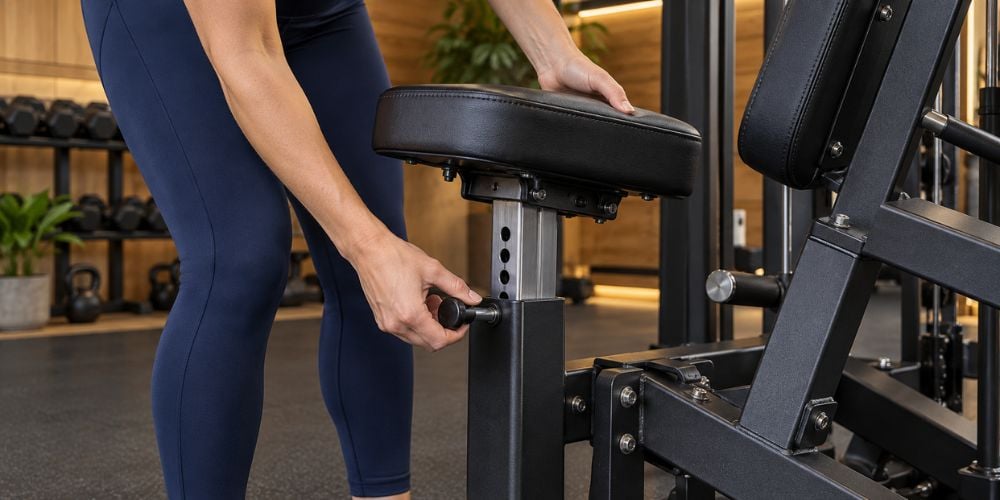
1. Adjust the Seat
Start by setting the seat to a comfortable height.
You should be able to reach the handles without stretching too far. If the machine has a chest pad, keep your chest supported against it.
Keep your feet stable on the floor or foot platform.
Quick check: Are you reaching too far forward for the handles?
If yes, adjust the seat before starting. I usually spend a few extra seconds here because a poor setup can make the whole exercise feel awkward.
For comparison, ACE’s seated high back row guidance also recommends adjusting the seat so the handles are around shoulder level and keeping the feet firmly supported.
2. Choose a Manageable Weight
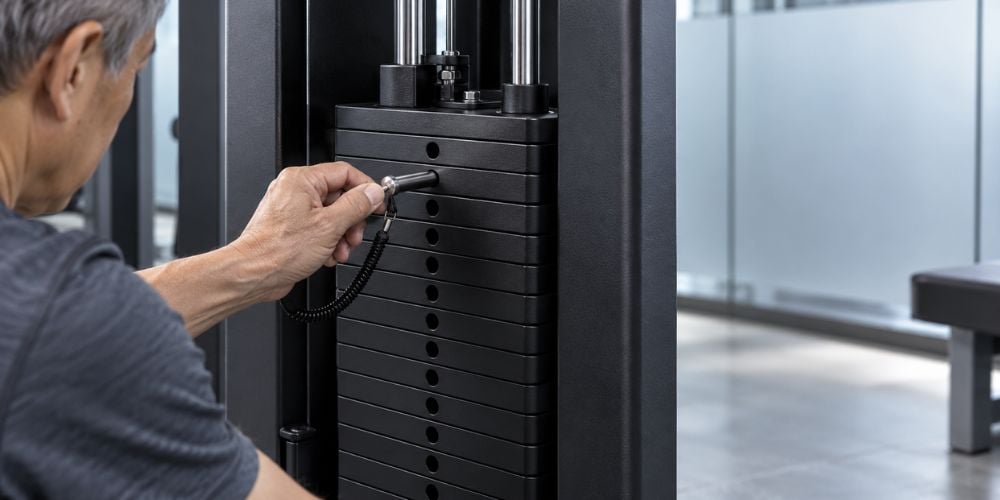
Start lighter than you think you need.
Choose a resistance that lets you complete each repetition without jerking, leaning backward, or using momentum.
For beginners, learning the movement comes first. Mayo Clinic’s weight-training guidance recommends using a load you can control with proper form and reducing the weight if your technique starts to break down.
How do you know the weight is too heavy?
If you have to throw your torso backward to move the handles, reduce it.
Quick Setup Check
Check | What You Want |
Seat | Comfortable reach to the handles |
Feet | Firmly supported |
Chest | Stable or supported by the pad |
Wrists | Mostly straight |
Weight | Heavy enough to challenge you, light enough to control |
Torso | Stable without leaning backward |
3. Grip the Handles
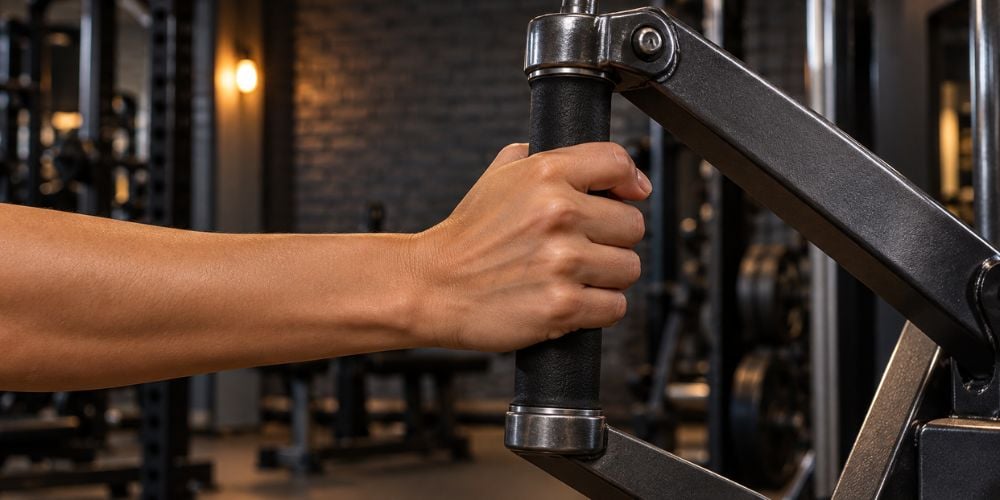
Hold the handles firmly but comfortably.
Keep your wrists relatively straight instead of bending them sharply backward. Let your arms extend at the starting position while keeping your torso stable.
Your shoulders can move slightly forward, but avoid rounding your whole upper back.
I like to think of hands as hooks here. Let your elbows guide the movement instead of trying to squeeze the handles harder.
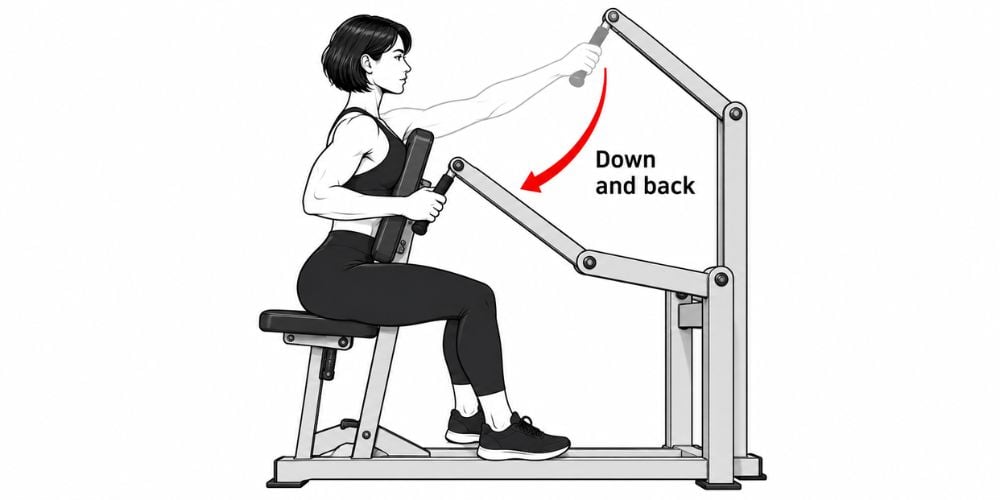
4. Pull Your Elbows Down and Back
Begin the row by pulling your elbows down and back.
Bring the handles toward your body while keeping your chest stable. Depending on the machine, the handles may finish near your upper chest, ribs, or sides.
Do not turn the exercise into a backward lean.
Where should you feel it?
Mainly in your:
- Latissimus dorsi
- Upper and middle back
- Rear shoulders
- Biceps
Your arms help, but your back should be doing a lot of work.
Want to see how different commercial strength machines handle rowing and pulling movements? Explore the YR Fitness strength equipment we work with and compare the different machine layouts, adjustment points, and movement designs.
5. Squeeze Your Back
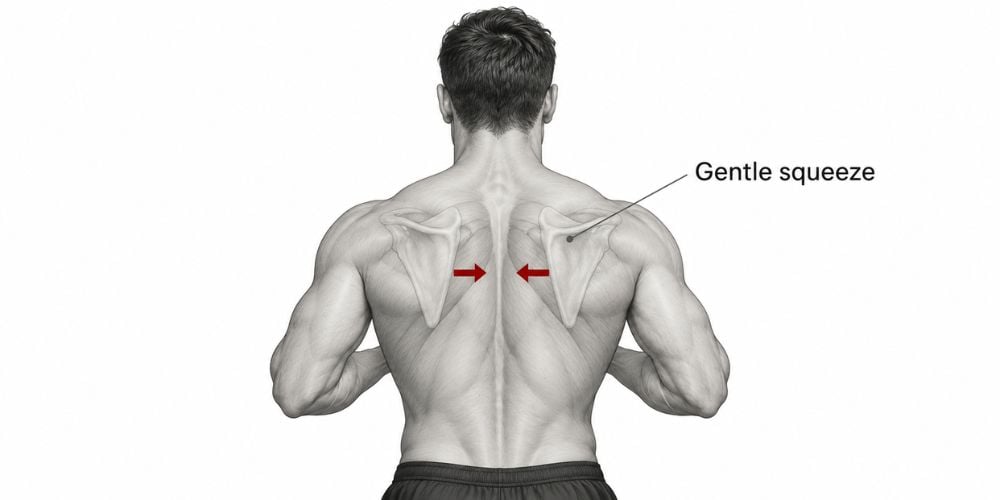
Pause briefly at the end of the pull.
Bring your shoulder blades back naturally and squeeze your back muscles. You do not need to force your elbows as far behind your body as possible.
A short, controlled pause is enough.
I often see people pull too far because they think more range automatically means a better repetition. Controlled tension is more important than forcing extra movement.
6. Return Slowly
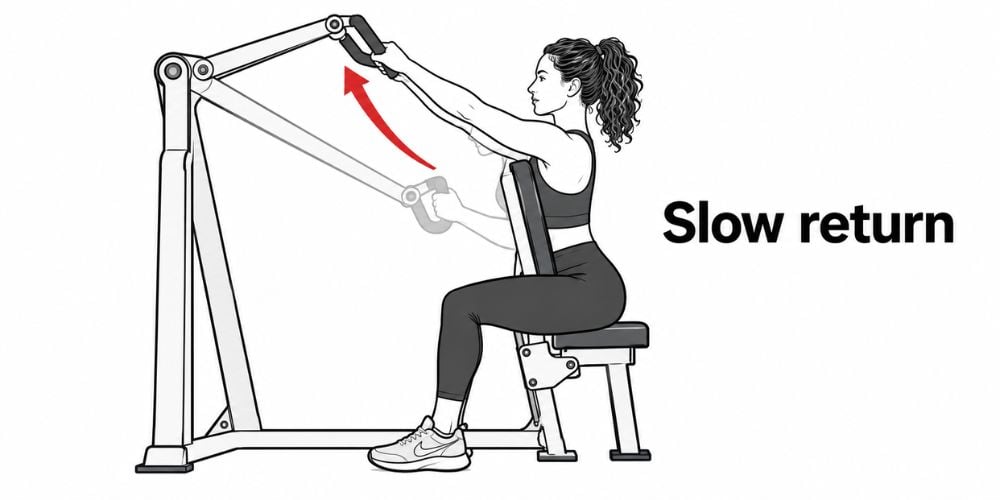
Do not let the handles snap back.
Slowly extend your arms and allow your shoulder blades to move forward naturally. Keep control until you return to the starting position.
Do not let the weight stack slam down between repetitions.
Here is why this matters: moving the resistance under control reduces your reliance on momentum. ACE’s high-row instructions similarly emphasize a controlled return rather than simply releasing the resistance.
Then repeat.
7. How Many Sets and Reps?
You do not need a complicated plan.
Use these ranges as a simple starting point:
Training Goal | Sets | Reps |
Beginner practice | 2–3 | 10–15 |
Muscle building | 3–4 | 8–12 |
General strength | 3–4 | 6–10 |
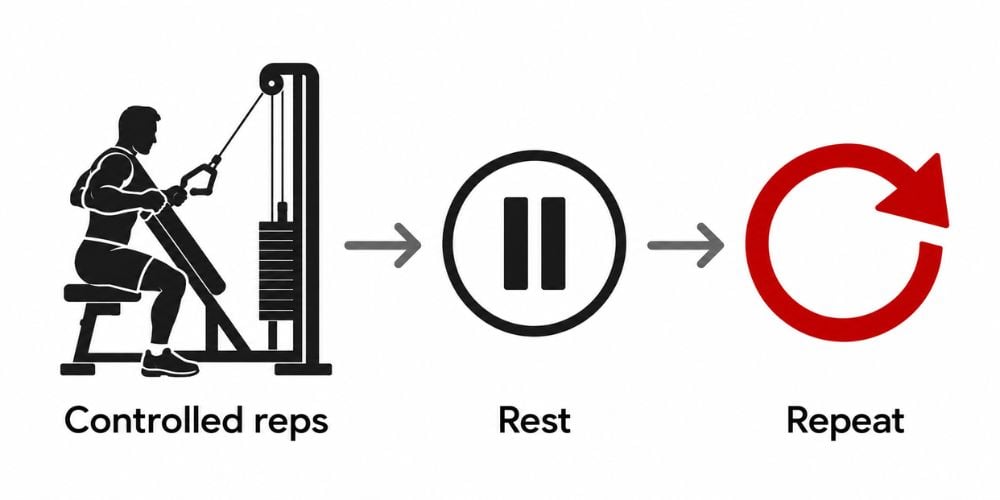
Choose a weight that lets you complete the repetitions with good form.
If your technique starts breaking down before the set is finished, reduce the resistance. Rest between sets, then repeat.
How often should you train your back?
That depends on the rest of your program, but you do not need to train it every day. The U.S. Physical Activity Guidelines for Americans recommend muscle-strengthening activity on at least 2 days per week for adults as part of a general fitness routine.
Conclusion
Using a high row machine is simple: set the seat correctly, use a manageable weight, pull your elbows down and back, squeeze your back, and control the return.
I would rather see ten controlled repetitions than heavier reps with poor movement.
If you want to explore more commercial strength machines and their movement designs, browse the YR Fitness website and compare the options that fit the way you like to train.
Related articles:



