




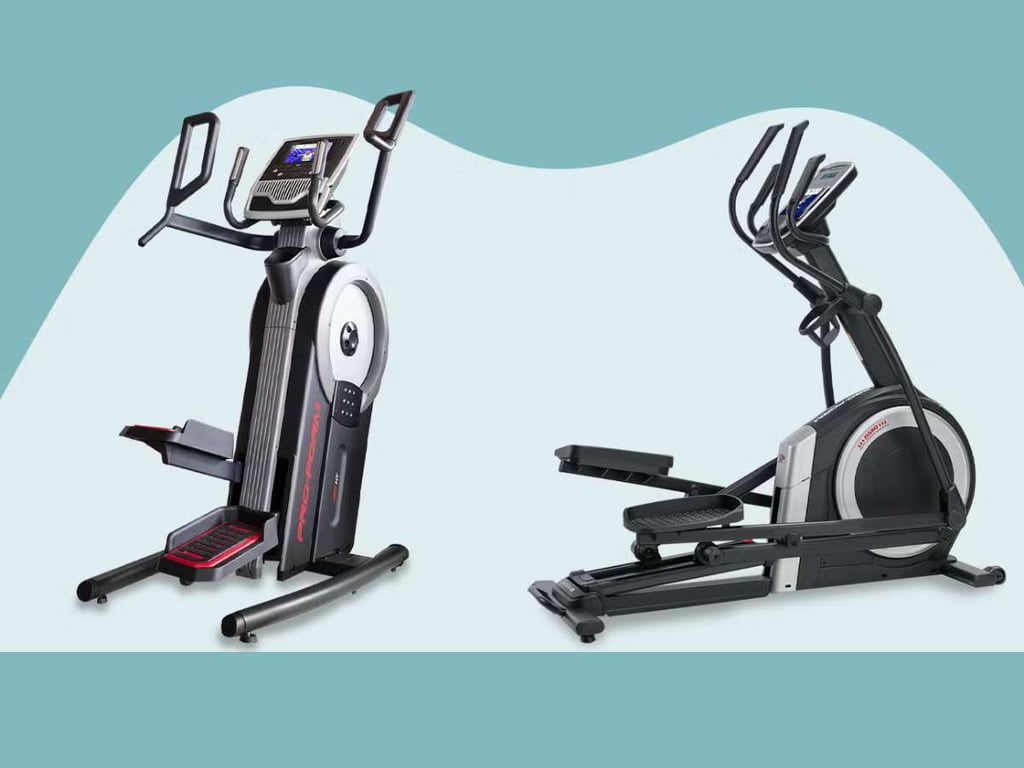
A few years ago, I joined a friend in setting up a small community gym. We were on a budget and went with ProForm because it seemed like the perfect middle ground: affordable, popular, and easy to find.
For a while, everything ran smoothly until the treadmills started acting up and the bikes needed more attention than expected.
Since then, I’ve worked with several fitness businesses and tested dozens of machines firsthand to see which brands actually hold up over time.
In this article, I’ll share what I’ve learned by comparing three standout ProForm alternatives: Peloton, Sole, and Echelon. Each offers a different balance of technology, build quality, and business value depending on what your gym or home setup needs most.
If you’re thinking about upgrading your equipment or expanding your studio, this guide could help you make a smarter, longer-lasting investment.
So, let’s dive in!
- 1. Why Consider a ProForm Alternative?
- 2. Quick Comparison of ProForm Alternatives
- 3. Peloton: Best for Interactive Training Enthusiasts
- 4. Sole: Best for Serious Home Athletes
- 5. Echelon: Best for Smart Budget Buyers
- 6. Factors to Consider When Choosing a ProForm Alternative
- 7. Why Not Import From a Chinese Supplier?
- Conclusion
1. Why Consider a ProForm Alternative?
ProForm is a popular and trusted name in the fitness equipment world, but that doesn’t automatically make it the best option for every gym or studio. Many owners I’ve worked with appreciate its affordability and brand recognition, but they also mention a few recurring challenges:
- Limited long-term durability, especially under heavy daily use
- Subscription-based features that add ongoing costs
- Customer service and parts delays that can impact equipment uptime
That’s where alternatives come in. Brands like Peloton, Sole, and Echelon each bring distinct advantages—whether it’s immersive training experiences, commercial-grade durability, or more flexible pricing without mandatory subscriptions.
2. Quick Comparison of ProForm Alternatives
Before diving into the details, here’s a side-by-side look at ProForm and three of its strongest competitors. This quick comparison gives you an overview of what each brand is known for, along with their main strengths, drawbacks, and best fit for different gym setups or business models.
- Peloton: Ideal for gyms that value interactivity, brand appeal, and community-driven engagement.
- Sole: Perfect for facilities focused on durability, long-term reliability, and low maintenance.
- Echelon: Great for startups or budget-conscious gyms seeking connected training without high subscription costs.
Brand | Key Features | Strengths | Drawbacks |
ProForm | Treadmills, bikes, ellipticals, iFit integration | Affordable entry point, strong brand recognition, variety of models | Mixed durability under heavy use, required subscriptions, slower customer support |
Peloton | Bikes, treadmills, live/on-demand classes | Highly interactive, strong community, sleek design, premium user experience | High upfront and subscription costs, limited model variety |
Sole | Treadmills, ellipticals, rowers, bikes | Commercial-grade durability, simple interface, great warranty coverage | Limited smart features, heavier equipment |
Echelon | Bikes, rowers, treadmills, app-based training | Budget-friendly, flexible app options, compact design | Less brand prestige, moderate build quality, fewer premium details |
3. Peloton: Best for Interactive Training Enthusiasts
Peloton began as a direct-to-consumer brand but quickly transformed into a major name in the fitness industry. Known for its sleek bikes and treadmills paired with immersive live classes, Peloton has redefined how people approach workouts. For gyms and studios, adding Peloton equipment signals that you’re offering a modern, tech-forward experience that members associate with motivation and premium quality.
Pros
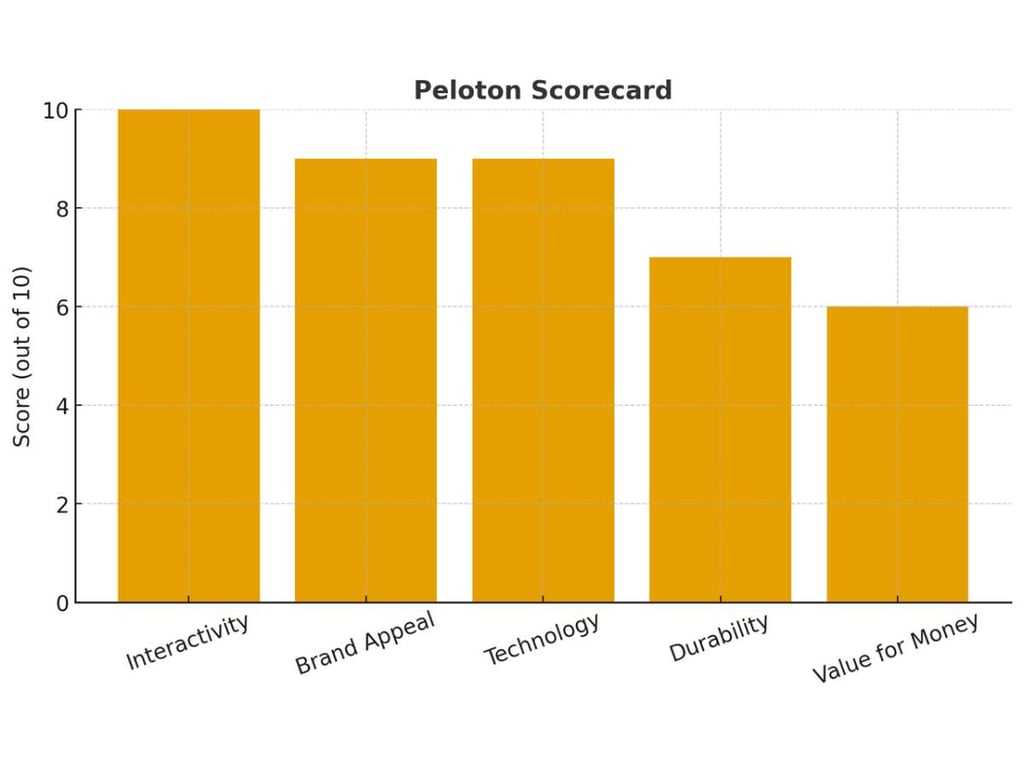
- Interactive Classes: Peloton offers both live and on-demand workouts, keeping routines dynamic and engaging. Members enjoy constant variety, which helps boost retention and motivation.
- Community-Centered Experience: The leaderboard and social features foster friendly competition and connection. This sense of community turns workouts into social experiences that keep people coming back.
- Sleek, Modern Design: Peloton’s machines are visually appealing and elevate your gym’s overall atmosphere. Their high-end aesthetic gives a polished, professional impression.
- Powerful Brand Recognition: Peloton is a household name with strong market trust. Featuring it in your gym instantly adds credibility and helps attract new members seeking a premium experience.
Cons
- High Upfront Cost: Peloton machines are premium-priced, and the investment multiplies quickly if you need several units.
- Ongoing Subscription Fees: To unlock the full range of Peloton’s classes and features, you must maintain paid memberships. Over time, these recurring costs can significantly impact your bottom line.
- Limited Equipment Range: Peloton’s lineup focuses mainly on bikes and treadmills, leaving gaps in categories like strength training or rowing. You’ll likely need to supplement with other brands to offer a complete experience.
- Durability in Commercial Environments: While Peloton machines excel in home use, they aren’t built primarily for heavy, continuous gym traffic. Many owners report higher maintenance needs and faster wear, which can lead to downtime and extra repair expenses over time.
Why Gym Owners and Users Like Peloton
Peloton stands out because it offers more than a workout, it delivers an interactive, motivating, and community-driven experience that keeps members coming back. Users love the variety of live and on-demand classes led by energetic instructors, while gym owners value the strong brand appeal and premium image it brings to their facility.
4. Sole: Best for Serious Home Athletes
Sole built its reputation on creating sturdy, long-lasting machines that can handle consistent, high-intensity use. Originally popular among hotels and commercial facilities, Sole’s treadmills, ellipticals, and bikes have earned a loyal following for their dependable performance and minimal maintenance requirements. Their equipment delivers reliable value without the flashy extras—just solid, functional engineering that lasts.
Pros
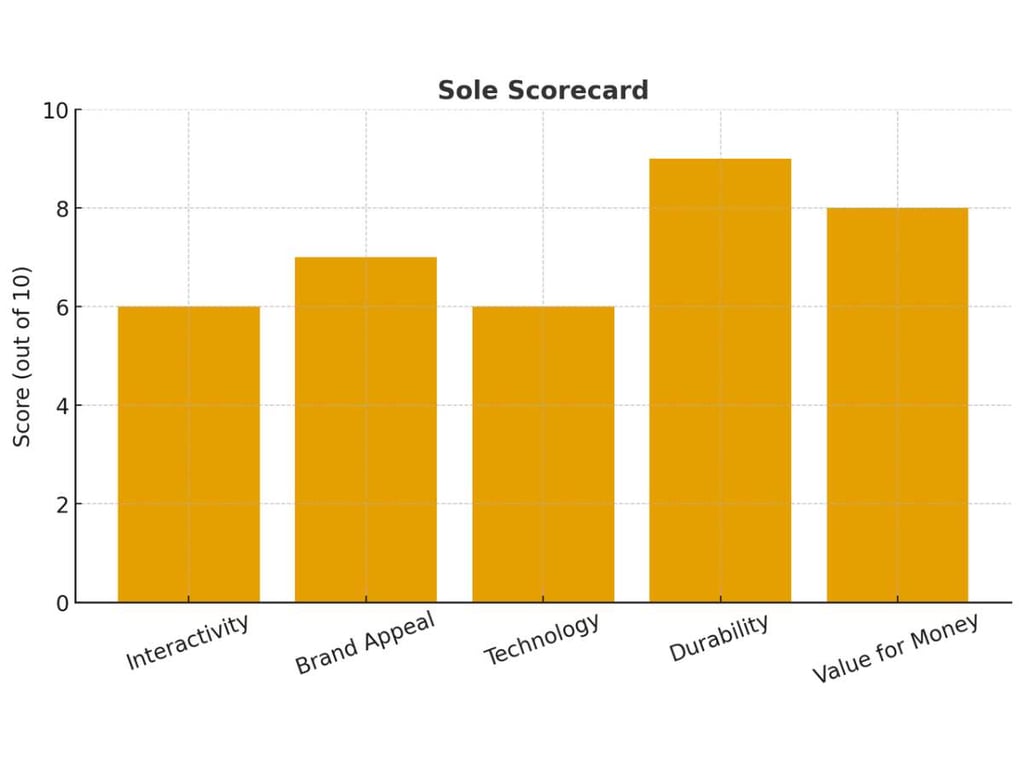
- Built for Durability: Sole machines are engineered with heavy-duty steel frames and high-quality components, making them ideal for gyms that see constant daily use. Their track record for longevity is one of the strongest in the industry.
- Low Maintenance Needs: The design emphasizes simplicity and reliability, meaning fewer moving parts that break or wear out. This helps minimize repair costs and keeps your equipment available for members longer.
- Commercial-Grade Feel: With powerful motors and stable platforms, Sole treadmills and bikes deliver smooth, consistent performance that feels professional-grade. Members appreciate the solid, no-nonsense feel.
- Excellent Warranty Coverage: Sole backs its products with some of the best warranties in the business, offering long-term protection that gives owners peace of mind and confidence in their investment.
Cons
- Limited Smart Features: While Sole excels in durability, it lags behind in interactive features. The consoles are straightforward, lacking the connected experiences and class integrations many modern users now expect.
- Heavier Equipment: The robust build makes these machines difficult to move or rearrange. For small gyms or studios with limited space, that can make layout adjustments more challenging.
- Less Stylish Design: Compared to flashier brands like Peloton or Echelon, Sole equipment has a more utilitarian appearance. It performs exceptionally well but doesn’t offer the same visual “wow factor.”
- Fewer Connected Options: Sole’s ecosystem isn’t as app-driven as competitors. While it supports Bluetooth syncing and basic data tracking, it doesn’t have a built-in training platform or interactive community, which may limit engagement for tech-focused members.
Why Gym Owners and Users Like Sole
Sole earns respect from gym owners and serious users alike for one simple reason, reliability. Gym members appreciate the consistent, stable feel that makes every workout comfortable and safe. For owners, Sole’s durability and low maintenance needs translate to fewer repairs, less downtime, and better long-term value. It’s the kind of equipment you can trust to keep running without constant attention.
5. Echelon: Best for Smart Budget Buyers
Echelon entered the market as a cost-effective alternative to premium connected fitness brands and quickly gained attention for its balance of technology, versatility, and affordability. With a growing range of bikes, rowers, and treadmills paired with the Echelon Fit App, the brand brings interactive training to a wider audience without the high upfront price tag.
Pros
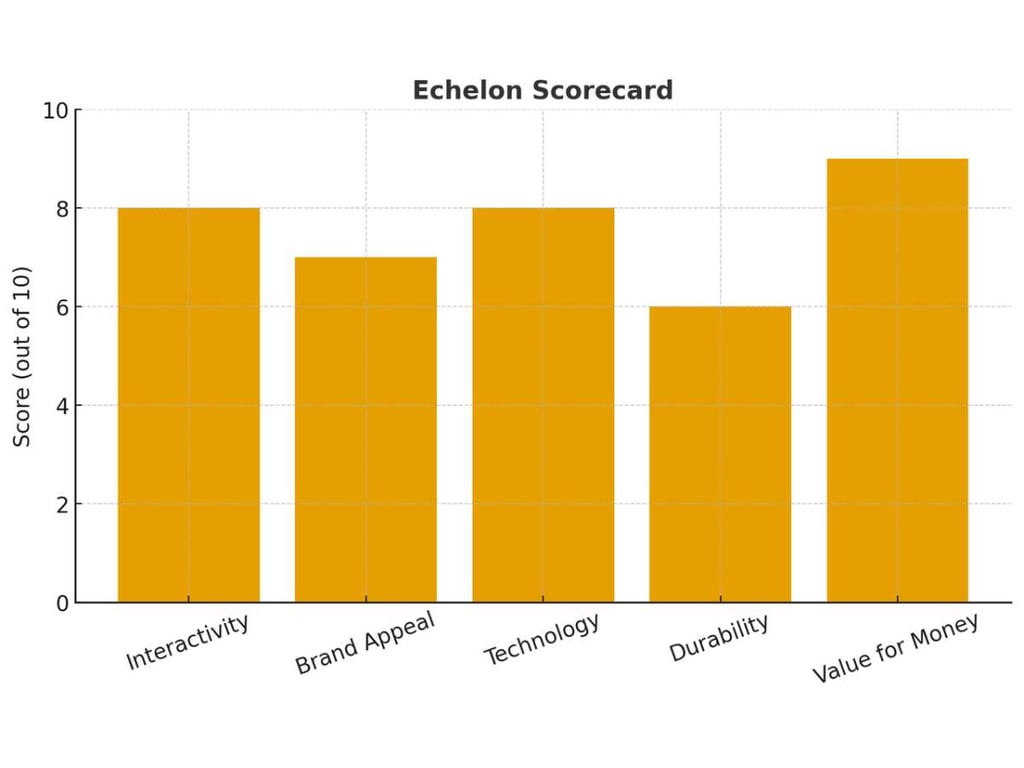
- Affordable Entry Point: Echelon provides a smart alternative for those who want connected fitness without the heavy investment. The machines are priced competitively, making them accessible for gyms with limited budgets.
- App-Based Flexibility: The Echelon Fit App offers live and on-demand classes across multiple workout types, giving members variety and convenience through their own devices or built-in screens.
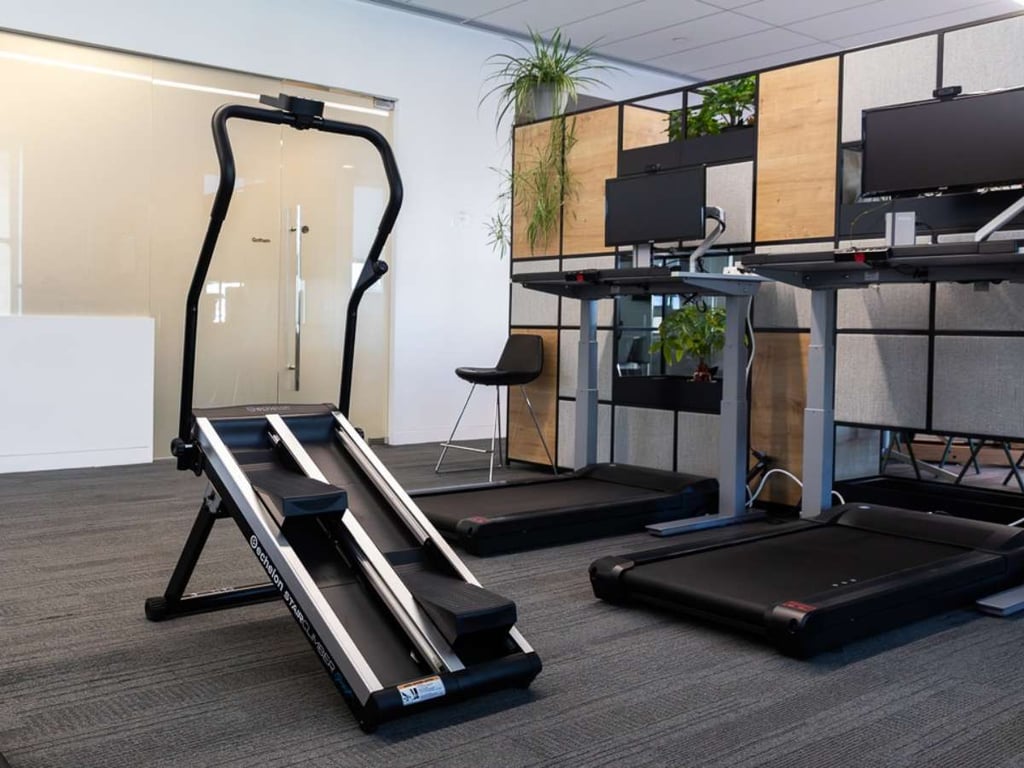
- Compact, Space-Saving Design: Echelon equipment tends to have smaller footprints, allowing for easier setup in tight spaces or multipurpose rooms. It’s ideal for boutique studios and smaller training facilities.
- Good Feature-to-Price Ratio: Despite the lower cost, Echelon machines include features like adjustable resistance, Bluetooth connectivity, and performance tracking, delivering solid value for money.
Cons
- Moderate Build Quality: While Echelon’s machines perform well for light to moderate use, they may not be as durable as higher-end brands under heavy commercial workloads.
- Subscription Dependency: To get the most out of Echelon’s interactive features, you’ll need to maintain a subscription to its app. While cheaper than some competitors, it still adds to long-term operating costs.
- Less Prestigious Brand Image: Echelon lacks the same name recognition and luxury appeal as Peloton or Sole, which might make it less attractive for high-end gyms or members who associate value with brand status.
- Limited Customer Support Experience: Some users have reported slower response times and parts replacement delays, which can be frustrating if you’re managing multiple machines in a commercial setting.
Why Gym Owners and Users Like Echelon
Echelon wins over gyms and users by offering a connected fitness experience without the high price tag. Members enjoy access to live and on-demand classes through the Echelon Fit App, bringing variety and motivation to every session. For owners, Echelon provides an affordable way to offer interactive training and keep up with digital fitness trends while maintaining strong profit margins and managing lower upfront costs.
6. Factors to Consider When Choosing a ProForm Alternative
Choosing between Peloton, Sole, and Echelon isn’t about picking the most popular name — it’s about finding the right fit for your gym or business. Here are the main factors to keep in mind before making your investment.
Type of Gym and Member Demographics
Start by understanding who uses your gym and how. A boutique fitness studio might benefit from Peloton’s interactive and trendy appeal, while a hotel or commercial gym could prefer Sole’s proven durability. If your members want affordable connected workouts, Echelon might be the right middle ground. Matching your equipment to your members’ expectations ensures better engagement and satisfaction.
Budget and Total Cost of Ownership
Look beyond the purchase price and calculate long-term costs like subscriptions, maintenance, and parts replacement. Peloton has higher upfront and ongoing fees, while Sole offers low maintenance and strong warranty coverage. Echelon keeps costs accessible but may require more frequent servicing under heavy use. Understanding total ownership costs helps protect your margins over time.
Available Space and Layout Planning
Your gym layout plays a major role in which equipment makes sense. Peloton’s machines have a premium design but require adequate spacing for safe use and screen visibility. Sole’s equipment is heavier and less portable, making it better for permanent setups. Echelon’s compact design works well for smaller gyms or multipurpose areas where every inch counts.
Brand Image and Member Experience
Each brand communicates a different message to your members. Peloton signals innovation, energy, and exclusivity. Sole conveys strength, reliability, and professionalism. Echelon positions your gym as smart, modern, and value-focused. Choosing the right brand identity enhances your gym’s image and helps attract the type of clientele you want to serve.
7. Why Not Import From a Chinese Supplier?
Choosing between brands like Peloton, Sole, and Echelon can feel overwhelming — especially when you’re juggling price, warranty coverage, and long-term durability. For many gym owners and developers, these premium brands fall short on flexibility or scalability when it comes to commercial environments.
If you’re looking for an alternative that delivers value, reliability, and full-service support, it may be time to explore importing directly from China.
That’s where YR Fitness sets itself apart.
With over 25 years of experience and distribution in 100+ countries, YR Fitness is a trusted manufacturer of commercial-grade gym equipment, serving fitness centers, government training facilities, property developers, and wellness institutions worldwide.
Here’s why YR Fitness makes a difference:
- Certified Commercial Quality: Every product is tested to meet CE, TÜV, and ISO standards. From selectorized strength machines to cardio units and accessories, you get equipment engineered for consistent, heavy use.
- Heavy-Duty Build Standards: YR Fitness uses 3.0 mm Q235 steel tubing, reinforced welds, and powder-coated finishes to create machines that perform in high-traffic environments without wearing down over time.
- Lifetime Frame Warranty: All equipment includes lifetime coverage on mainframes, along with dependable support for parts and components — giving you confidence in long-term ownership.
- Full-Scope Solutions: YR Fitness provides OEM/ODM services, space planning, equipment matching, and turnkey gym packages. Whether you’re outfitting a small studio or an entire complex, you get everything in one streamlined process.
If brands like ProForm don’t quite meet your facility’s needs, YR Fitness offers a scalable, factory-direct alternative built for performance, customization, and real-world commercial use. It’s a smart solution for buyers who prioritize long-term value, global support, and consistent equipment quality.gives you a practical, long-term alternative that’s built for performance, value, and lasting success.
Recommended Reading:
Want to explore more reliable fitness equipment suppliers? Read this detailed guide for deeper insights:
Conclusion
Choosing between Peloton, Sole, and Echelon comes down to what best supports your gym’s long-term goals. Each brand offers unique strengths that can improve member satisfaction, enhance your facility’s image, and boost overall performance.
By weighing factors such as durability, technology, interactivity, and total cost of ownership, you can make a confident decision that fits both your business model and your members’ expectations.
If you’re ready to take the next step, start comparing quotes and exploring options today. The sooner you choose the right equipment, the sooner your gym will see lasting results.
Related articles: