






If you’ve ever planned a gym project and felt overwhelmed by equipment choices, you’re not alone—I’ve seen many distributors and gym owners struggle to balance quality, budget, and brand trust.
That confusion usually starts with not having a clear, practical way to look at gym equipment as a complete system, not just individual machines.
At YR Fitness, we’ve been manufacturing commercial gym equipment since 1997, helping partners worldwide choose professional, durable solutions that actually work in real gyms.
In this A to Z guide of gym equipment essentials, you’ll see every major category explained clearly, from strength machines to cardio and accessories, so your buying decisions feel simple and confident.
Whether you’re supplying gyms or building one, the right equipment mix can make or break long-term profitability.
So, let’s get started!
Table of Contents
1. What Makes Gym Equipment “Essential”
When I helped open my first gym, I made a common mistake, buying too much equipment. The space looked impressive, but many machines were rarely used. Some took up too much room, and others didn’t last long. That experience taught me that not every machine is essential.
In a gym, “essential” means the equipment you cannot operate without. These are the machines members use every day. They are reliable, flexible, and suitable for many workout styles. If you were starting from scratch, these would come first.
What Does “Essential” Mean in a Gym Setup?
Essential equipment forms the backbone of any gym. It supports strength training, cardio, mobility, and core workouts. No matter the gym size or concept, you’ll see the same core equipment in successful facilities.
Typical essentials include:
- Dumbbells and barbells for strength
- Adjustable benches for support
- Power racks for compound lifts
- Cardio machines like treadmills or rowers
- Accessories such as resistance bands and mats
These machines are not extras. They are the most used tools on the gym floor.
Key Criteria for Essential Equipment
To decide what is truly essential, ask a few simple questions:
- Does it support multiple goals? Good equipment works for strength, fat loss, and conditioning.
- Can it fit different gym types? Essentials should work in studios, commercial gyms, and training centers.
- Is it safe, durable, and space-efficient? Equipment should last and earn its floor space.
If a machine fails these checks, it’s likely not essential.
Why It Matters for Your Business
Focusing on essential equipment saves time, money, and space. I’ve seen gyms struggle because they invested in machines that looked impressive but delivered little value.
When you prioritize essentials, you can:
- Plan your layout more efficiently
- Avoid spending on low-use equipment
- Make smarter buying decisions
- Keep members satisfied with practical tools
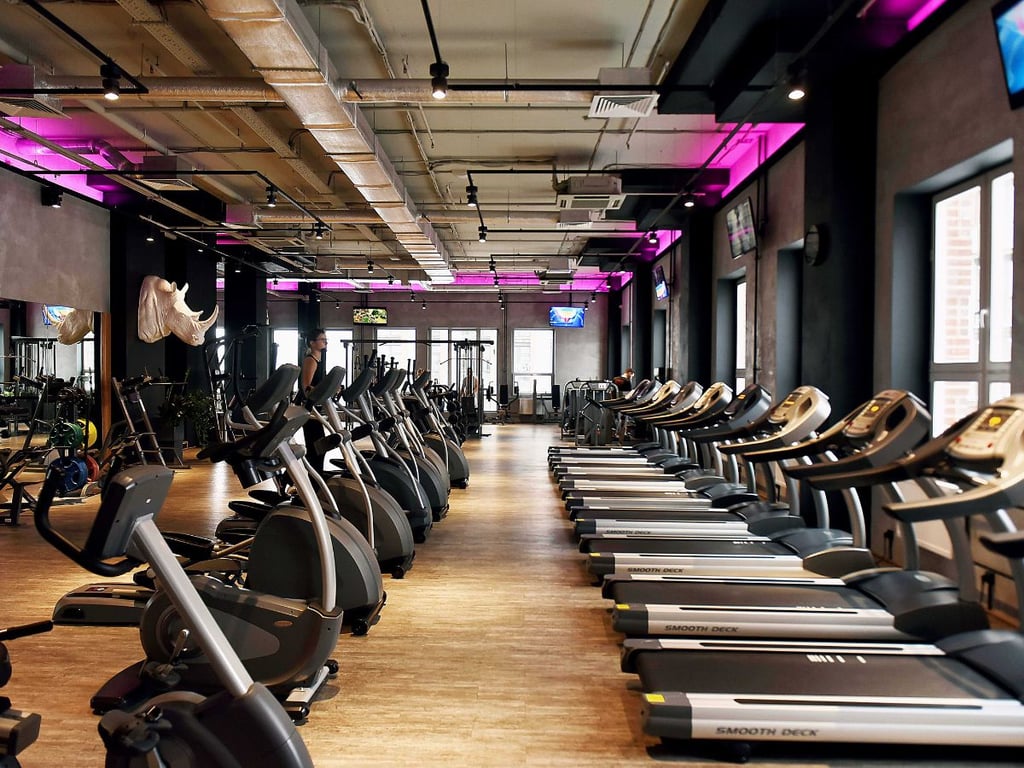
This is where working with an experienced manufacturer matters. YR Fitness supplies commercial-grade strength equipment, cardio machines, and accessories designed for daily use in real gyms. Our focus is on durability, professional design, and one-stop supply, helping businesses build gyms that perform well long term.
If you’re reviewing your essential equipment list or planning a new facility, contact YR Fitness to explore practical, commercial solutions built for your business needs.
2. A to Z Gym Equipment List
When I started building my first gym, my equipment list had no clear structure. Some items were barely used, while others became daily favorites. That experience showed me the value of having a clear, organized list from the start.
After working with many gym owners and distributors, I’ve learned that success comes from knowing what belongs in your gym—and why. An A to Z list helps you see the full picture, instead of buying equipment piece by piece.
Letter | Equipment Name | What It Is & Why It’s Essential |
A | Adjustable Bench | Adds variety to strength training. Great for pressing, rowing, and core work. |
B | Barbell | Key for squats, presses, and deadlifts. Works across all fitness levels. |
C | Cable Machine | Full-body strength training with adjustable resistance—just like those featured in our shoulder workout machine guide. Compact and versatile. |
D | Dumbbells | Basic strength tool for all levels. Easy to use and store. |
E | Elliptical Trainer | Low-impact cardio option. Easy on joints and great for all ages. |
F | Foam Roller | Helps with recovery and muscle tightness. Small and affordable. |
G | Glute Band | Great for lower-body activation. Perfect for warm-ups and circuits. |
H | Hack Squat Machine | Leg training with back support. Best for gyms with more space. |
I | Incline Treadmill | Adds intensity to cardio with hill options. Boosts calorie burn. |
J | Jump Rope | Lightweight cardio tool. Builds endurance and coordination. |
K | Kettlebell | Ideal for full-body power moves. Compact and multi-functional. |
L | Lat Pulldown Machine | Builds back and arm strength. Beginner-friendly and adjustable. |
M | Medicine Ball | Used for slams, throws, and core training. Adds dynamic movement. |
N | Nordic Curl Strap | Strengthens hamstrings using bodyweight. Takes up little space. |
O | Olympic Weight Plates | Add resistance to barbells or machines. Store on racks to save space. |
P | Plyo Box | Used for jump training and step-ups. Needs open space around for safety. |
Q | Quad Extension Machine | Isolates front thighs. Good for strength-focused or rehab programs. |
R | Rowing Machine | Full-body cardio that targets legs, back, and arms. Low-impact and effective. |
S | Squat Rack | Core station for lifting. Provides safety and support for heavy barbell work. |
T | Treadmill | High-use cardio machine. Suitable for walking, jogging, or running. |
U | Upright Bike | Compact cardio option. Great for beginners and low-impact training. |
V | V-Bar Handle | Cable attachment for rows and pulldowns. Small but useful. |
W | Weight Tree | Keeps plates organized and off the floor. Improves safety and space use. |
X | X-Factor Trainer | Dual-arm functional cable machine. Great for full-body strength in tight spaces. |
Y | Yoga Mat | Essential for floor work, stretching, and mobility. Easy to roll and store. |
Z | Z-Bar (Curl Bar) | Angled bar for arm work. Easier on wrists than straight bars. |
From our experience as a commercial equipment manufacturer, an A–Z list only works when the equipment is built for real gym use. At YR Fitness, we design and supply commercial-grade strength equipment, cardio machines, and accessories that support heavy use and long-term operation—all from one source.
If you’re building or reviewing your gym equipment list, contact YR Fitness to get expert support in selecting essential equipment from A to Z for your business.
3. Equipment Maintenance and Safety Tips
You’ve already invested time and money into choosing the right gym equipment. You planned the layout and built a space that works for your business. Now, the next step is protecting that investment.
No matter the size of your facility, regular maintenance and safety checks are not optional. I’ve seen gyms lose members and spend thousands on repairs simply because small issues were ignored for too long.
Maintenance Basics
- Clean High-Touch Areas Weekly: Wipe down benches, handles, and cardio screens. This slows wear and keeps the gym clean for daily users.
- Do Monthly Inspections: Check bolts on racks and benches. Look for cable wear and test cardio electronics. Fix issues early before they turn into breakdowns.
- Keep Equipment Dry and Dust-Free: Moisture causes rust, and dust damages moving parts and motors. This is especially important for free weights and cardio machines.
Safety Guidelines
- Give Each Station Enough Space: Crowded layouts increase the risk of accidents. Members need room to lift and move safely.
- Add Clear Signage And Instructions: Simple guides help users avoid misuse and injuries.
- Train Your Team Properly: Make sure staff understand safe machine use and proper form, especially for free weights and cable systems.
Common Mistakes to Avoid
- Rust On Barbells And Machines: Rust spreads fast if ignored and shortens equipment life.
- Worn-Out Grips And Seat Pads: Damaged pads reduce comfort and create safety risks.
- Missing Small Parts: Clips, bands, and handles are used daily and should be replaced quickly.
A gym that feels safe and reliable builds trust. Equipment doesn’t need to look brand new, but it must always work properly.
From our experience as a commercial manufacturer, well-designed equipment makes maintenance easier. At YR Fitness, we build strength machines, cardio equipment, and accessories with durability and serviceability in mind, helping gyms reduce downtime and extend product life.
If you want equipment that supports safer operation and simpler maintenance, contact YR Fitness to learn how commercial-grade design can protect your long-term investment.
4. How to Choose the Right Equipment for Your Space and Goals
When I first stepped into my empty gym space, I felt excited—but also overwhelmed. There were so many options, and everything looked important. I kept thinking, “What do I really need to start?”
It’s a common feeling. Picking the right equipment isn’t about buying the most—it’s about buying what works for your space and your goals. With a clear plan, you can build a gym that’s functional, efficient, and built to last.
#1 Identify Your Gym Type and Audience
Your gym’s setup depends on who it serves. A hotel gym needs simple, user-friendly gear. A strength studio needs barbells and racks. Beginners want guided machines. Athletes want freedom to lift. At YR Fitness, we provide equipment options built for each gym type—so you can match your space with the people using it.
#2 Set Priorities Based on Goals
What’s the main goal—cardio, strength, or balance? If cardio is key, start with bikes and treadmills. For strength, think free weights and squat racks. Our equipment lineup is built around helping you meet your gym’s specific training focus—so you buy what matters most.
#3 Use Space Strategically
Split your gym into clear zones—cardio, strength, recovery. This makes movement smoother and avoids clutter. In tight areas, use gear that does more than one job. Think benches that adjust or cable machines with multiple attachments. The goal is a space that works, not just one that’s full.
#4 Buy in Bundles or Phases
Start with essentials. Think dumbbells, benches, one cardio machine. Add specialty gear later as your members grow. Buying in phases gives you more flexibility and helps avoid waste. Focus first on high-traffic pieces—then expand with time, feedback, and budget.
Selecting equipment is a major business decision. At YR Fitness, we support gyms with commercial-grade strength equipment, cardio machines, and accessories designed for daily use and long-term performance.
If you want practical equipment solutions that fit your space and goals, contact YR Fitness to get expert guidance for your gym project.
Conclusion
This guide answered the big questions—what to buy, how to choose, how to keep it running.
From that overwhelmed feeling to a clear plan, you’ve got what you need now. And if you’re ready to go further, exploring must have gym accessories can help keep your space clean, functional, and full of purpose.
Take action. Take control. One smart decision at a time.
Which A-to-Z essential will you tackle first?
Contact us today to start building your best gym.
Related articles: