






Many distributors we work with come to us after a client complains that their rope pull machine feels rough, unstable, or underused. As a commercial equipment manufacturer, we see this issue often—and we solve it.
That’s why understanding rope pull machine workouts goes beyond exercise theory and into real-world equipment performance.
YR Fitness has been manufacturing professional gym equipment since 1997, combining ergonomic design with commercial-grade quality. Our insights are based on production experience, gym feedback, and long-term usage data.
This guide will walk you through how rope pull machine workouts function, what benefits they offer, and how they fit into a complete gym setup. If you’re evaluating equipment for resale or facility use, this review is built for you.
The right knowledge now can save you costly replacements and unhappy clients later.
So, let’s dive in!
Table of Contents
1. Understanding the Rope Pull Machine
A rope pull machine is a versatile piece of gym equipment designed to mimic the natural motion of pulling a rope. It delivers a low-impact, full-body workout that combines cardio conditioning with muscle engagement, making it suitable for a wide range of commercial training environments.
In commercial gyms, durability and movement quality matter just as much as exercise variety. That’s why working with a professional commercial gym equipment manufacturer helps ensure the machine performs consistently for different user levels, from beginners to advanced athletes. A well-built rope pull machine supports long-term use while keeping maintenance simple.
At YR Fitness, we design rope pull machines with professional movement angles and commercial-grade materials. We build equipment for real gyms, not short-term use. Our focus is on quality, smooth performance, and reliability across high-traffic facilities.
If you’re planning to upgrade your training space or expand your product lineup, rope pull machine workouts are worth serious consideration. Contact YR Fitness today to see how our commercial rope pull solutions can support your business goals and help your facility stand out
Rope pull machines are transforming modern training spaces, and YR Fitness can help bring that innovation to your facility. We craft durable commercial machines built for maximum performance and user satisfaction. Connect with us here to discover how our rope pull equipment can elevate your gym’s offerings!
2. Benefits of Rope Pull Machine Workouts
Investing in rope pull machine workouts adds real value to a commercial gym or distribution lineup. For gym owners, it expands training variety and member appeal. For distributors, it offers a product that is easy to position as both functional and profitable.

- Full-Body Workout: Rope pull machine workouts activate multiple muscle groups at once, delivering efficient total-body training.
- Cardiovascular Health: Continuous pulling improves heart health and stamina, making it useful for conditioning-focused programs.
- Enhanced Endurance: Regular use helps users build long-term endurance, which appeals to athletes and performance-driven members.
- Improved Grip Strength: Rope-based resistance naturally strengthens grip, a key benefit for sports and functional training.
- Flexibility: Multiple pulling angles allow vertical, horizontal, and diagonal movements that support joint mobility.
- Muscle Tone and Definition: Consistent workouts help improve muscle appearance, a strong selling point for many gyms.
- Low Impact: Rope pull exercises reduce stress on joints, making them suitable for users of different ages and fitness levels.
- Calorie Burning: High engagement workouts help burn calories efficiently, supporting weight management goals.
- Enhanced Core Stability: Core muscles stay active throughout each movement, improving balance and functional strength.
- Improved Coordination: Rope pull training sharpens timing and coordination, especially for athletic users.
- Mental Toughness: Challenging sessions help build focus and resilience, valuable traits in training environments.
- Time-Efficient: Users can achieve meaningful results in shorter sessions, ideal for busy gym members.
- Customizable Workouts: Adjustable resistance supports beginners and advanced users on the same machine.
- Minimal Learning Curve: Simple operation makes the machine accessible to new members without long instruction.
- Space-Efficient: Compact designs work well in gyms where floor space must be optimized.
At YR Fitness, we build rope pull machines for real commercial use. We focus on professional design and long-lasting quality. Our machines are made to perform in high-traffic gyms. We also supply strength equipment, cardio machines, and accessories in one place.
If you want to offer rope pull machine workouts that deliver results and last for years, we’re ready to help. Contact YR Fitness today to discuss how our commercial rope pull machines can strengthen your product lineup or elevate your gym facility.
3. Types of Rope Pull Machines
When it comes to investing in a rope pull machine for your gym or fitness center, understanding the variety of types available is crucial. Knowing the unique features and benefits of each type can guide you in making a decision that aligns with your facility’s goals and customer demands. Here are several essential aspects to remember:
Endless Rope Machines
Endless rope machines feature a continuous loop of rope, offering users an uninterrupted workout experience. These machines are extremely versatile and can be adapted to serve a wide range of fitness levels. In terms of user engagement, the endless system allows for high-intensity workouts, making it a favorite for those who prefer challenging sessions.

Advantages:
- Provides a continuous, smooth workout experience for users.
- Space-efficient design is suitable for smaller gyms.
- Customizable resistance settings to suit all fitness levels.
- Low maintenance requirements.
- Offers high ROI due to user popularity.
Challenges:
- Higher initial cost compared to traditional rope systems.
- May require regular calibration for optimal performance.
- Limited to mainly upper body workouts.
- Some users may find it less authentic than traditional ropes.
- It can be difficult to repair if issues arise.
Vertical Rope Pull Machines
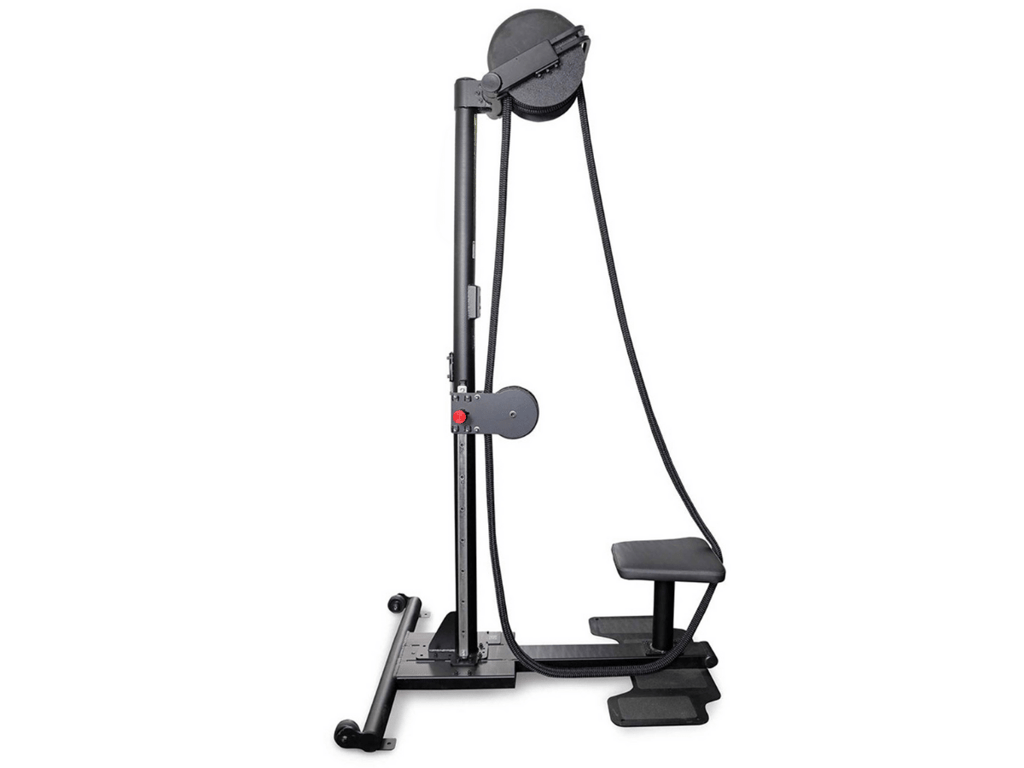
The vertical models offer a unique simulation of climbing activities, providing a workout experience that’s both challenging and engaging. These machines tend to attract users who are looking for functional strength and conditioning. Take rock climbing, for example, which is trending nowadays. These machines can give your gym a modern edge.
Advantages:
- Target multiple muscle groups including the core.
- Adjustable height features accommodate different user sizes.
- Generally durable and long-lasting.
- Easier to integrate into circuit training programs.
- Good for both beginner and advanced users.
Challenges:
- Takes up vertical space, which can limit installation options.
- Slightly steeper learning curve for new users.
- May require additional safety precautions.
- Limited by only vertical pulling motions.
- Potential for mechanical issues in height-adjustment mechanisms.
Horizontal Rope Pull Machines
Horizontal rope pull machines lay flat and allow pulling exercises from a seated or standing position. This versatility makes them a popular choice for gyms that offer a range of group classes or personal training sessions. The horizontal layout is ideal for rowing simulations, engaging both the upper and lower body.

Advantages:
- Excellent for building lateral strength and stability.
- Compact and easy to store.
- Versatile workout options for different muscle groups.
- Ideal for HIIT and cardio workouts.
- User-friendly interface for quick setting adjustments.
Challenges:
- May require specialized flooring or a setup area.
- Not as comprehensive for full-body workouts.
- Requires regular maintenance for moving parts.
- Limited weight resistance options.
- Some models may lack durability.
Wall-Mounted Rope Machines
For facilities with limited floor space, wall-mounted models are an excellent choice. They offer similar benefits to free-standing units but are more space-efficient. I believe this makes them ideal for smaller gyms or multifunctional fitness spaces.

Advantages:
- Maximizes floor space by utilizing wall area.
- Easy to incorporate into existing gym setups.
- Generally lower cost than freestanding units.
- Solid build ensures longevity.
- Excellent for quick, intense workouts.
Challenges:
- Requires sturdy walls for secure mounting.
- Not easily moved once installed.
- May limit the types of exercises performed.
- Not suitable for gyms with weak or unsuitable walls.
- Installation can be time-consuming and costly.
Manual Rope Machines
Manual rope machines rely solely on the user’s effort for resistance, providing a raw and intense workout. These machines usually lack an electric motor, which means they require less maintenance. They are often less expensive, making them accessible for gym owners on a tight budget.

Advantages:
- No electricity is required, reducing operating costs.
- Offers a more “authentic” rope-pulling experience.
- Easy to install and use.
- Minimal maintenance needs.
- Environmentally friendly option.
Challenges:
- Lacks the automated features of electronic models.
- Limited to the user’s own strength and endurance.
- May require manual adjustment for tension settings.
- No built-in tracking features for performance metrics.
- Users may find it less engaging.
Hybrid Rope Machines
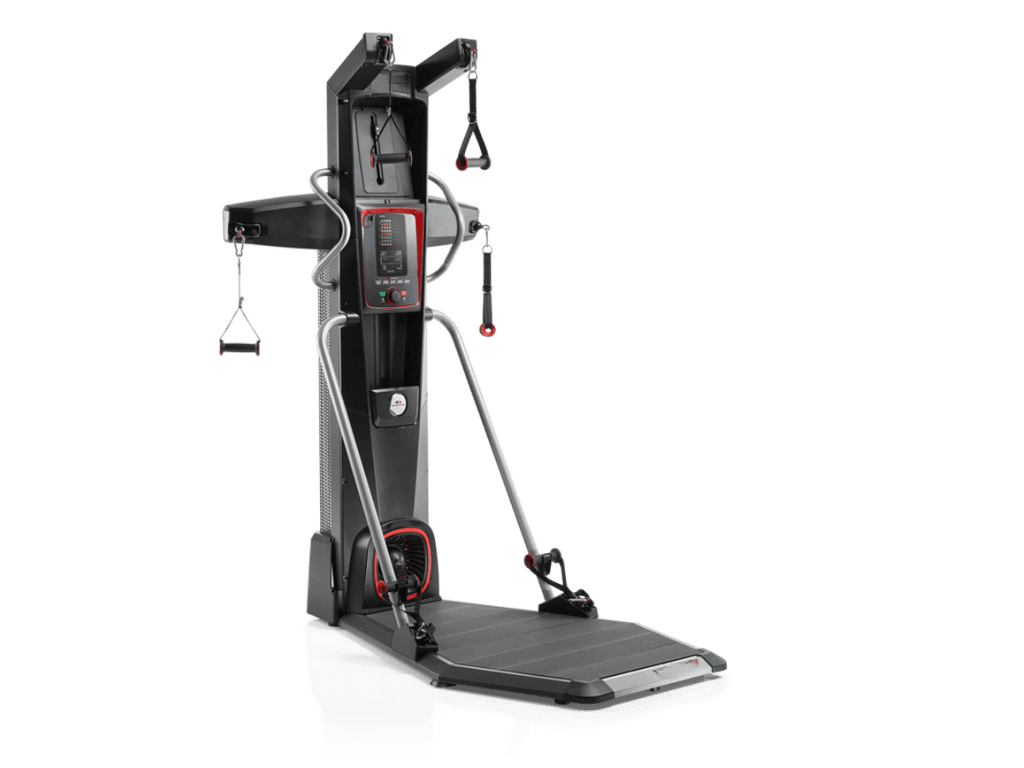
Hybrid models combine features of both strength and cardio equipment, making them particularly versatile. They often include additional handlebars or footplates, allowing users to engage multiple muscle groups. These machines cater to those who seek an all-in-one workout solution.
Advantages:
- Combines elements of manual and electronic systems.
- Allows for a broader range of exercises.
- Adjustable settings cater to all fitness levels.
- Provides both cardio and strength training options.
- Built-in tracking features for enhanced user engagement.
Challenges:
- Higher cost due to multiple functionalities.
- Requires more complex maintenance.
- Takes up more floor space compared to simpler models.
- May involve a learning curve for users.
- It could be overwhelming for beginners.
Commercial Rope Machines
Specifically designed for high-traffic gym environments, commercial rope machines are built for durability and extended use. One example is their advanced performance tracking systems and customizable features. The robust build assures longevity, making it a wise long-term investment for gym owners. For distributors and wholesalers, commercial machines offer the advantage of bulk sales to larger fitness facilities.

Advantages:
- Built for heavy, consistent use in commercial settings.
- Offers the highest durability among the types.
- Includes advanced features for serious athletes.
- Multiple users can use it simultaneously.
- Excellent for building gym reputation and attracting clientele.
Challenges:
- Significantly higher initial investment.
- May require specialized technicians for maintenance.
- Takes up considerable space.
- Energy consumption can be higher.
- Overkill for smaller gyms or less frequent usage.
Rope pull machines come in different designs to meet the needs of commercial gyms and distribution businesses. Some models focus on versatility, allowing multiple pulling angles in one unit, while others are built for space efficiency or targeted training. Understanding these differences helps you select equipment that matches your facility size, training goals, and customer expectations.
At YR Fitness, we design and supply different types of rope pull machines for commercial gyms. We focus on professional movement and stable performance. Our machines are built for long-term use. We also help you match rope pull machines with strength equipment, cardio machines, and accessories.
If you want guidance on choosing the right rope pull machine for your gym or product lineup, we’re here to help. Contact YR Fitness today and let’s find the best solution for your business.
4. Basic Techniques and Starting Points
Using rope pull machine workouts effectively starts with understanding basic techniques and proper setup. For gym owners, this knowledge helps staff guide members safely and confidently. For distributors, knowing these fundamentals makes it easier to explain the machine’s real value to clients.
Grip Techniques
Grip is one of the first things users notice on a rope pull machine. The two most common grips are overhand and underhand, and each places emphasis on different muscle groups. Using the correct grip improves workout efficiency and helps reduce injury risk.
This grip variety makes rope pull machine workouts suitable for many training styles. Gym owners can support users with simple instructions, while distributors can position the machine as beginner-friendly and athlete-approved.
The table below provides insights into the primary grip techniques used on a rope pull machine, focusing on their benefits, targeted muscle groups, and implications for gym owners, distributors, and wholesalers.
Grip Technique | Description | Targeted Muscle Groups | Benefits & Unique Selling Points for Distributors |
Overhand Grip | The palm faces downwards while gripping the rope, with fingers wrapping around the rope from the top. | Latissimus dorsi, Middle and upper trapezius, Forearms | Versatility: Engages a broader set of muscles, allowing for comprehensive back workouts. Stability: Provides a secure grip, ideal for heavy or fast pulls. |
Underhand Grip | The palm faces upwards, with fingers coming from underneath to grip the rope, often likened to a chin-up grip. | Biceps brachii, Lower lats, Rhomboids | Focused Activation: Targets biceps and lower back muscles for more isolated workouts. Variation: Introduces a different pulling dynamic, enhancing exercise diversity. |
Speed Variation
Changing pulling speed significantly alters training results. Fast pulls focus on cardiovascular conditioning, while slow, controlled pulls build strength and muscular endurance. Knowing how to vary speed turns a simple movement into a versatile workout.
Gyms can apply this technique in group training or personal sessions to add programming value. Distributors can highlight this adaptability when presenting the machine to performance-focused facilities.
Directional Pulling
Pulling the rope in different directions activates different muscle groups. Horizontal pulls emphasize the back and shoulders, while vertical pulls target the arms. Directional pulling allows users to customize workouts based on specific goals.
Gym owners can support proper use with signage or short instructional videos near the machine. Distributors can bundle education materials to increase perceived value and ease adoption.
Resistance Settings
Resistance selection plays a key role in workout effectiveness. Higher resistance supports muscle development, while lower resistance improves endurance and cardio output. Clear resistance control helps users train on purpose.
Gym staff should understand how to guide members on resistance selection. Distributors can use resistance range as a selling point for gyms serving diverse fitness levels.
Starting Positions
Different starting positions also affect training outcomes. Rope pull machines may support standing, seated, or kneeling positions. Each position changes muscle engagement and workout intensity.Multiple starting options give gym owners more programming flexibility. Distributors can present this as a solution for gyms seeking variety without adding more machines.
At YR Fitness, we design rope pull machines that support proper technique. Our machines are easy to use. They are stable and safe. They are built for commercial gyms. We focus on long-term performance and professional movement.
If you want rope pull machine workouts that are easy to teach and reliable to use, we’re ready to help. Contact YR Fitness today and let’s equip your facility with machines that support correct technique and confident training.
5. Common Mistakes and How to Avoid Them
Even with quality equipment and trained staff, mistakes can still occur with rope pull machine workouts. These errors often affect safety, results, and overall user experience. Understanding them helps gym owners reduce risk and helps distributors position the right solutions.

- Ignoring Safety Measures: Safety features should always be checked and used correctly. Clear instructions and regular inspections help prevent accidents.
- Overlooking Warm-Ups: Skipping warm-ups increases injury risk. A short, focused warm-up prepares muscles for pulling movements.
- Incorrect Grip: Using the wrong grip can cause fatigue or strain. Users should understand when to use overhand or underhand grips.
- Overdoing Speed and Resistance: Excessive speed or resistance can lead to muscle strain. Gradual progression supports safer and more effective training.
- Poor Posture: Incorrect posture places stress on the back and shoulders. Proper alignment improves both safety and workout quality.
- Ignoring Directional Pulling: Using only one pulling direction can cause imbalance. Rotating pull angles supports balanced muscle development.
- Monotonous Routines: Repeating the same exercises reduces engagement. Variety keeps users motivated and improves results.
- Neglecting Core Engagement: A loose core limits workout effectiveness. Engaging the core improves stability and strength transfer.
- Overtraining: Too much rope pull training increases fatigue. Rest days and cross-training reduce injury risk.
- Ignoring Cooldowns: Skipping cooldowns slows recovery. Stretching helps muscles relax and recover properly.
Avoiding these common mistakes improves safety, performance, and member satisfaction. Proper education combined with the right equipment creates a better training environment.
At YR Fitness, we build rope pull machines that are easy to use. Safety is part of our design. Our machines are strong and stable. They are made for commercial gyms. We focus on long-term reliability and smooth movement.
If you want to reduce user errors and improve workout safety, we’re ready to support your business. Contact YR Fitness today and let’s equip your facility with rope pull machines built for safer, smarter training.
Conclusion
To wrap it up, we’ve covered the essentials of rope pull machine workouts, exploring different machine types, their benefits, and how to optimize their use. Whether you’re a gym owner or a distributor, this guide is designed to equip you with the knowledge to make well-informed decisions for your business needs, and it’s equally valuable when considering complementary equipment like lat pulldown machines for a well-rounded gym offering.
Related articles: