








Wholesale Resistance Bands Manufacturer in China
Built by athletes, for athletes.
Built tough to handle every strength training.
Built with precise movement angles since 1997.
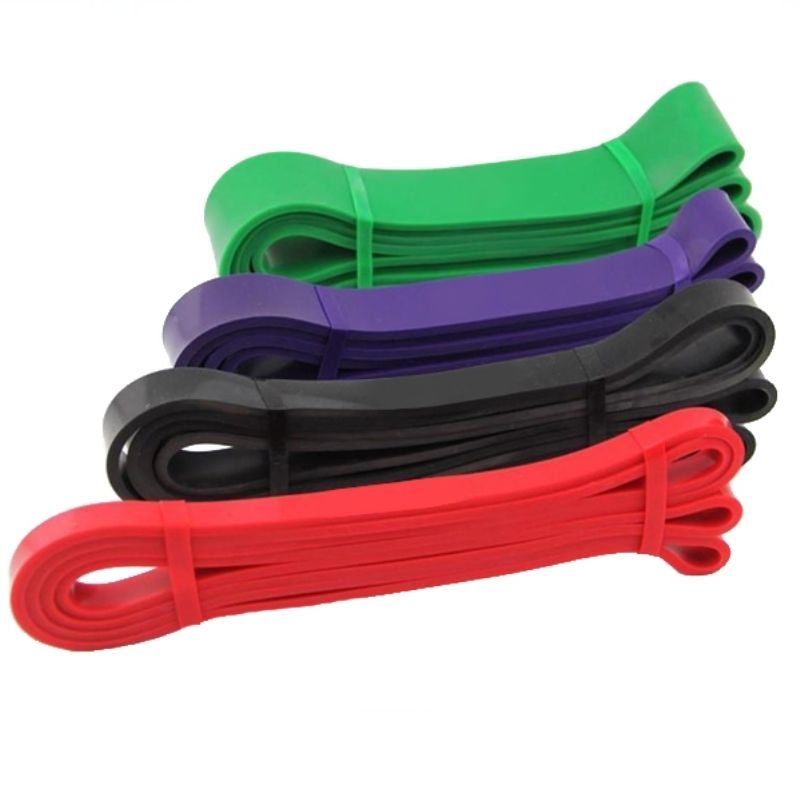
Products We Have for You
Showing all 2 results
-

Resistance Bands / Monster Bands – Length 2080mm
$5.00YR Fitness Resistance Bands RB02 are long-loop monster bands made from 100% natural latex. Great for stretching, st
-

Resistance Loop Exercise Bands
$5.00YR Fitness Resistance Loop Exercise Bands RB01 are made from 100% natural latex for safe, flexible, and effective t
Certified by Global Standards
Backed by CE, TÜV, and ISO certifications so you can buy with full confidence in safety and performance.

DESIGNED By ATHLETES,
FOR ATHLETES
At YR Fitness, Design Transcends Aesthetics.
It’s About Functionality.
Simple, But Significant.


Only True Feedback Counts
Quality Standard of YR Fitness
That’s why we are confident to compete with big brand quality, but at 1/5 price.
Built with Strength: 3.0mm Solid Steel Pipes
We use thick 3.0mm+ Q235 steel pipes for every part of the machine — whether it’s the frame or the training area, no matter the size. With added reinforcement bends, our machines stay strong and steady. No shaking, just solid power.

This is How We Make Your Gym Equipment
Over 20 years, YR Fitness has put $8M into tech—just to bring you better machines.
100% Original Design Since 1997
Because Great Design Makes Great Machines.
Pulley Output Ratio
Leveraging the power of physics, we’ve tailored our pulley output ratio for optimal training. Take our butterfly machines: a 2:1 ratio means a 70kg weight selection delivers a 35kg training load. This higher ratio enhances your workout and saves on weight plate costs.
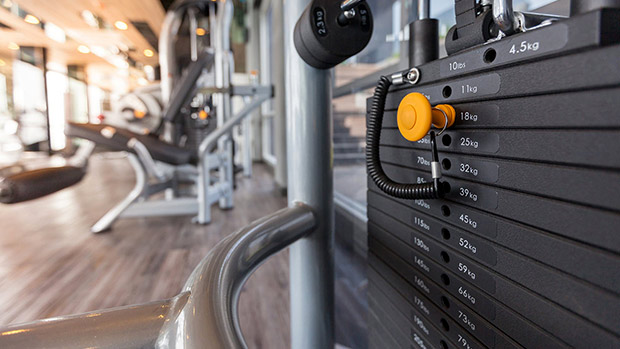
Compare Our Key Series
73 Series
Heavy-Duty Frame
Pro-Level Movement
High-End Line
61A Series
Durable
Affordable
Best-Selling
C4 Series
Modern Look
Upgraded Fusion
More Features
Quick Comparison At A Glance
Feature | 73 Tough Series | 61A Racing Series | C4 Revival Series |
|---|---|---|---|
Launch Year | 2008 | 2016 | 2025 |
Design Focus | High-end performance and biomechanics | Space-saving, budget-friendly, market-driven | Combines 61A’s simplicity with 73’s advanced features |
Frame Tubing | 75×130×3.0 mm (main) + 58×101×3.0 mm (functional) | 75×118×3.0 mm (main) + 50×120 / 40×80 / 50×100 mm | 150×50×3.0 mm (main) + 50×120 / 40×80 / 50×100 mm |
Aesthetic Design | Parabolic, bold, aluminum accents | Compact and practical | Stylish, modern, fits younger gym aesthetics |
Durability Level | Heavy-duty, custom-engineered components | Very durable, many still running after 20+ years | Same durability level with upgraded styling and adjustability |
Movement Types | Independent converging/diverging paths | Standard movement paths | Includes both standard and independent paths (split models) |
Adjustability | Basic adjustability | Standard user adjustability | Advanced: rotating handles, adjustable pads, backrests, etc. |
Innovation Level | First of its kind globally in 2008 | Refined through years of customer feedback | Integrated innovation from both series + unique new machines |
Series Size | 62 models | 62 models | 74 models (still expanding) |
Target Buyer | High-end gyms, serious training centers | Budget-conscious gyms, franchise chains | Gyms that want both performance and style |
Pricing | Premium | Most affordable | Mid-range, with excellent feature-to-price ratio |
Production Method | Partially handmade due to complex design | Fully industrialized | Industrial production with some specialty detailing |
After-Sales Service | Lifetime support | Lifetime support | Lifetime support |
Let’s Talk

Blake Fisher
Gym Owner from Malaysia
Our members love using this. Super strong with top engineering. Great quality at an affordable price. Smooth to operate, can handle big weights and hits the target muscle. We are very satisfied for these gym machines! We plan on opening another gym once the virus is over.

Jay Dang
Gym Owner from Australia
Commercial quality. Well made. I feel it is just as good as the other top brand benches we have at our club eg Technogym, Matrix etc, but is so much more affordable. All of my order arrived on time and the sales manager was awesome to communicate with. Highly recommend!!!

Steve
Gym Owner from USA
The Quality is very nice, I really like them. All my clients are happy with my new equipment. I will work hard to promote them in Poland.

Allan
Distributor from Poland
Wholesale Resistance Bands – Definitive FAQ Guide
1. What are the common types of resistance bands used in the commercial gym?
The most common types of resistance bands used in commercial gyms are loop bands, tube bands with handles, and fabric bands.
Loop bands are often used for warm-ups, lower body training, and rehab exercises. Tube bands with handles are more versatile for strength training and mimic cable machine movements.
Fabric bands are popular for glute activation and are known for better comfort and durability compared to latex bands. Many gyms stock all three types to cover a wide range of exercises and user needs.
At YR Fitness, we manufacture and supply both loop, tube, and fabric resistance bands in bulk. Each band is tested for durability and designed to handle the daily demands of commercial gyms.
3. Do resistance bands lose elasticity over time?
Yes, resistance bands lose elasticity over time due to repeated stretching, exposure to heat, sunlight, or sweat, which gradually weakens the material.
Continuous stretching, exposure to sweat, and friction slowly reduce their tension. This is normal for both latex and TPE bands after long-term use. Fabric bands generally hold their resistance longer, but they may even loosen slightly with heavy daily training. Proper storage and cleaning can help extend the lifespan.
That’s why it’s important to order from a reputable manufacturer. At YR Fitness, we produce resistance bands that are durability-tested, giving gyms longer-lasting performance even under heavy use.
5. What are the common sizes of resistance bands?
The common sizes of resistance bands are 12 inches, 15 inches, and 41 inches, depending on the band type.
Mini loop bands are usually around 12 inches long, while fabric bands often measure 12 to 15 inches. Powerlifting-style loop bands are much longer, typically 41 inches.
Tube resistance bands are different, with most measuring about 4 feet in length without the handles. These sizes cover the most common gym training needs.
At YR Fitness, we manufacture all standard sizes of loop, fabric, and tube bands in bulk. This ensures gyms get reliable options for both upper and lower body training.
7. How to check the level of resistance bands?
Most resistance bands show their level through color coding, but some are identified by thickness or width.
In many cases, lighter colors mean lower resistance, while darker colors mean stronger resistance. However, not all brands follow the same color scale.
Thickness is another way to measure, thicker or wider bands usually provide more resistance, while thinner ones stretch more easily. Both methods help users pick the right level.
YR Fitness follows a clear color-coded system for all resistance bands. This makes it easy for gyms and distributors to give members the right resistance level at a glance. If you’d like details on our resistance levels and how they are tested, our team can provide the full chart.
9. Do resistance bands need special storage in gyms?
Yes, resistance bands need proper storage to last longer and stay safe to use. They should be kept in a cool, dry place, away from direct sunlight or heat.
Moisture and sweat can also reduce lifespan, so wiping them clean before storage is recommended. Simple storage racks or wall hooks in gyms work well to keep them organized and safe. At YR Fitness, we design resistance bands with durability in mind, but we also guide gyms on proper storage. This helps maintain band strength and extend their usable life.
11. What’s the difference between layered and molded resistance bands?
Layered resistance bands are made by stacking thin latex sheets, while molded bands are formed from liquid latex in a single mold.
Layered construction makes the bands stronger and more durable. They resist snapping even under heavy stretching, which makes them a better choice for high-intensity gym use.
Molded bands have a smoother surface and are easier to produce in large quantities. However, they generally wear out faster with regular or intense training.
At YR Fitness, both layering and molding methods are used to create resistance bands that fit different training demands. Our process gives gyms and distributors reliable choices, whether they need maximum durability or cost-effective bulk supply.
13. Can the handles on resistance bands be replaced or swapped?
Yes, in most tube resistance bands the handles can be detached and replaced.
This allows gyms to switch out worn handles or customize with different grip styles for member comfort. Flat bands typically don’t use handles, so interchangeability applies mainly to tube-style designs.
YR Fitness manufactures tube resistance bands with strong, interchangeable handles. Our products make it easy for gyms and distributors to maintain equipment and extend the lifespan of their bands.
15. What packaging options are available for wholesale resistance bands?
Wholesale resistance bands can be packaged in individual poly bags, custom boxes, or bundled sets.
Individual packaging is common for resale, while custom boxes with logos are often used for branding. Bundled sets are popular for gyms and retailers that want to offer multiple resistance levels in one pack.
Packaging choices usually depend on whether the bands are for commercial gym use or for resale in retail stores. Many suppliers also offer eco-friendly packaging on request.
If you want wholesale resistance bands with customized packaging, YR Fitness offers poly bag, box, and set options. We also provide logo printing to help gyms and retailers build stronger brand presence.
17. What are some ways to avoid resistance bands from breaking?
You can avoid resistance bands from breaking by storing them properly, cleaning them, and checking for wear before use.
Keeping bands away from sunlight and heat prevents the material from drying out and cracking. Wiping them clean after workouts also helps maintain elasticity. It’s important to replace bands that show signs of fraying, thinning, or small tears. Using the right resistance level for each exercise also reduces unnecessary stress on the band.
If you want resistance bands built for long-lasting performance, YR Fitness supplies durability-tested bands designed to handle heavy, repeated use in commercial gyms.
19. How do I know if the resistance band is worn out?
A resistance band is worn out if you notice cracks, thinning spots, fraying, loss of elasticity, or if it feels sticky or uneven when stretched.
Small tears or fraying edges are clear signs the band is no longer safe to use. A band that feels too loose or stretches more than normal has likely lost its resistance strength.
Checking bands regularly before workouts helps prevent snapping accidents. Replacing worn bands on time keeps training safe and effective. At YR Fitness, we supply resistance bands tested for durability, so gyms can rely on longer use before replacement is needed.
21. How much do wholesale resistance bands cost?
Wholesale resistance bands can start as low as 1 USD per piece or around 5 USD per set.
The final price depends on material, type, and order size. Latex is usually the most affordable, fabric costs more, and bulk orders reduce the per-unit price.
Customization such as logo printing or branded packaging can also affect the price. That’s why most suppliers provide quotes based on your exact requirements. For more details on bulk pricing and supplier options, please contact YR Fitness directly.
23. Can wholesale resistance bands be packed in sets for resale?
Yes, wholesale resistance bands can be packed in sets for resale.
Sets often include multiple resistance levels, such as light, medium, and heavy, to meet different training needs. They can also come with accessories like handles, door anchors, or carrying bags.
Packaging bands in sets makes them more appealing for retail and easier for customers to use at home or in gyms. It also adds value to bulk orders. YR Fitness provides multi-level bundles with optional accessories and branded packaging.
25. Can I mix different types of resistance bands in one wholesale order?
It depends on the supplier. Some allow mixing different types of resistance bands in one wholesale order, while others don’t.
Many suppliers let you combine loop, tube, and fabric bands within the total MOQ. Others may set separate minimums for each type. If you want the flexibility to mix different resistance band types in one bulk order, YR Fitness offers combined options to make stocking easier for gyms and retailers.
2. What materials are resistance bands usually made from?
Resistance bands are usually made from natural latex rubber or synthetic materials like TPE (thermoplastic elastomer), both chosen for their elasticity and durability.
Latex bands are the most common because they offer strong elasticity and a smooth stretch, but some users may have allergies. TPE is a synthetic alternative that provides good flexibility while being more allergy-friendly.
Fabric bands are growing in popularity as they don’t roll up easily, feel more comfortable on the skin, and are very durable. Many commercial gyms choose a mix of these materials to match different training needs.
At YR Fitness, we supply resistance bands using high-quality latex, TPE, and fabric. Each material is carefully tested to make sure the bands last longer and perform well under heavy gym use.
4. Are resistance band materials safe for people with allergies?
It depends. Most resistance bands may cause allergies if they are made from latex, but there are safer options available like TPE or fabric bands.
Latex can trigger skin irritation or reactions in sensitive users, which is why many gyms also provide TPE or fabric bands. These alternatives are safer for allergy-prone members and still offer strong performance. Commercial gyms often keep a mix of band materials available so everyone can train safely and comfortably. This makes it easier to meet the needs of all users.
At YR Fitness, we supply latex, TPE, and fabric resistance bands in bulk. This way, gyms can choose safe options that match their members’ needs while maintaining durability and quality.
6. What is the diameter of resistance bands?
The diameter of resistance bands usually ranges from 10 mm to 15 mm, depending on the type and resistance level.
Flat loop bands are measured by thickness and width, with common widths between 13 mm and 83 mm. Thicker and wider bands provide higher resistance.Tube resistance bands are typically about 10 mm to 12 mm in diameter, making them easy to grip and strong enough for heavy use.
YR Fitness produces tube resistance bands of different diameters to suit all training levels. Our manufacturing process ensures consistent thickness, so gyms can rely on accurate resistance across every band.
8. How much weight resistance do bands provide?
Resistance bands usually provide between 5 lbs and 200+ lbs of resistance, depending on their size and type.
Light bands are best for warm-ups or rehab and normally range from 5–15 lbs. Medium bands offer around 20–60 lbs, making them suitable for everyday strength training.
Heavy bands, especially long loop styles, can reach 100–200+ lbs for advanced training or assisted lifts. The wider and thicker the band, the stronger the resistance.
YR Fitness provides resistance bands across all resistance levels. Our wholesale supply allows gyms and distributors to cover everything from light rehab work to heavy strength sessions.
10. How are resistance bands manufactured?
Resistance bands are manufactured by molding or layering elastic materials like latex, TPE, or fabric.
Latex and TPE bands are usually made by extrusion or layering sheets of material, which are then cut and shaped into bands. Layered bands are built by stacking thin sheets, while molded bands are formed in one solid piece. Fabric bands are produced by weaving elastic fibers with textile materials, creating a wider and softer band. Each method affects durability, elasticity, and overall comfort.
We at YR Fitness take pride in using both molded and layered techniques, along with high-quality woven fabrics. This allows us to deliver bands that are durable, consistent, and built for the heavy use of commercial gyms.
12. Do resistance bands come with handles?
Yes, some resistance bands come with handles, but not all types include them.
Tube resistance bands are the most common type with handles, making them versatile for upper body, lower body, and full-body workouts. Loop bands and fabric bands typically do not have handles, as they are designed to be used directly on the body or anchored in place.
If you want resistance bands with handles, YR Fitness supplies high-quality tube bands built with strong, ergonomic grips. We also provide handle-free loop and fabric bands in bulk to meet every gym’s training needs.
14. Are resistance bands safe for daily use?
Yes, resistance bands are safe for daily use when used correctly.
They provide low-impact resistance, which reduces stress on joints compared to free weights. This makes them suitable for strength training, rehab, and general fitness. The main risk comes from improper form or using damaged bands, which may snap under tension.
If you want resistance bands built for safe, daily gym use, YR Fitness supplies durability-tested bands. Our products are designed to handle the heavy demands of commercial training environments.
16. How should resistance bands be cleaned?
You can clean resistance bands by wiping them down with a soft cloth and mild soap.
This removes sweat and dirt while keeping the material in good condition. Avoid hot water or harsh cleaners, as they can weaken the bands. Always let the bands air-dry fully before storing them. This helps prevent moisture damage and keeps them lasting longer.
YR Fitness resistance bands are easy to maintain with simple cleaning. Our bands are designed for commercial gyms, making it easier for owners and distributors to keep equipment fresh and long-lasting.
18. How long do resistance bands usually last?
Resistance bands usually last from 6 months to 2 years, depending on how often they are used and how they are stored.
Daily gym use with heavy stretching can shorten their lifespan, especially for latex and TPE bands. Fabric bands often last longer because they are thicker and less likely to snap.
If you want resistance bands that last longer under heavy use, YR Fitness manufactures durability-tested bands designed for the daily demands of commercial gyms.
20. What should I check before buying resistance bands in bulk?
Before buying resistance bands in bulk, you should check the material, resistance levels, durability, and supplier reputation.
Material type matters—latex, TPE, and fabric each perform differently and suit different gym needs. Resistance levels should cover light, medium, and heavy options to fit all users.
Durability is important, so ask if the bands are tested for stretching and long-term use. A trusted supplier with quality control ensures you get consistent products in bulk.
If you want bulk resistance bands tested for durability and backed by a reliable supplier, YR Fitness offers high-quality options designed for commercial gyms and retailers.
22. What is the minimum order quantity for wholesale resistance bands?
The minimum order quantity (MOQ) for wholesale resistance bands is usually 100 to 500 pieces, depending on the supplier.
Some suppliers accept smaller trial orders, but most set higher MOQs for custom printing or special packaging. Larger orders often come with better price discounts. MOQ can also vary based on the type of band—fabric and tube bands often require higher quantities than simple loop bands.
If you want flexible MOQs with reliable quality, YR Fitness offers bulk resistance bands starting at low order quantities to fit gyms and retailers of all sizes.
24. How long does shipping and delivery take for bulk orders?
Shipping and delivery for bulk resistance band orders usually takes 2 to 6 weeks, depending on the destination and shipping method.
The exact time depends on order size, customization requirements, and the shipping method you choose. Air freight is faster but more expensive, while sea freight takes longer but is cost-effective for large orders. YR Fitness manages both production and logistics for wholesale resistance bands. We work with gyms and distributors to give accurate delivery timelines and reliable shipping options worldwide.


-4.png)