








When I first started comparing treadmills for clients, Sole always seemed like the obvious choice: reliable, straightforward, and well-known. But as fitness technology advanced, other brands began offering smarter features, sleeker designs, and better long-term value.
That’s when it became clear that Sole isn’t the only name worth trusting.
Today, brands like ProForm, Bowflex, and Precor are setting new standards for both home and commercial gyms. Each brings its own strengths: ProForm with interactive training, Bowflex with space-saving versatility, and Precor with premium commercial durability.
I’ve spent years testing equipment, reading specs, and talking with gym owners about what holds up under pressure. This comparison is built from those real experiences, not just what looks good on paper.
In this article, you’ll get a clear breakdown of ProForm vs. Bowflex vs. Precor, how they perform, what kind of value they offer, and which one might be the smarter investment for your setup.
If you’re rethinking your next equipment purchase, this could be the guide that helps you make the right call.
Let’s get started!
1. Why Consider a Sole Alternative?
Sole has earned a solid reputation for reliable treadmills and cardio machines, but that doesn’t always mean it’s the best option for every gym or training setup. Many owners I’ve worked with appreciate its simplicity and price point, yet they often encounter a few recurring drawbacks:
- Limited smart features and connectivity options
- Machines that aren’t ideal for heavy commercial use
- Slower customer service and parts replacement times
That’s where alternatives step in. Brands like ProForm, Bowflex, and Precor each bring unique advantages—whether it’s smarter training technology, space-efficient designs, or long-lasting commercial performance. Exploring beyond Sole lets you find equipment that better fits your training goals, budget, and long-term reliability needs.
2. Quick Comparison of Sole Alternatives
Before diving into the details, here’s a side-by-side look at Sole and three strong competitors. This overview gives you a quick snapshot of what each brand is known for, their main strengths, drawbacks, and best fit for gym owners and distributors.
- ProForm: Best for users who want smart, interactive training with connected features.
- Bowflex: Best for compact setups that need both strength and cardio versatility.
- Precor: Best for commercial gyms focused on durability and professional performance.
Brand | Key Features | Strengths | Drawbacks |
Sole | Treadmills, ellipticals, bikes | Reliable performance, solid warranty, good value | Limited smart features, basic design, slower service response |
ProForm | Treadmills, bikes, ellipticals, iFIT connectivity | Smart interactive training, auto incline/decline, strong home market | Subscription required, not ideal for heavy commercial use |
Bowflex | Max Trainer, VeloCore bike, SelectTech dumbbells, home gyms | Space-saving design, versatile strength and cardio combo, flexible pricing | Mixed app reliability, fewer high-end commercial options |
Precor | Commercial treadmills, ellipticals, strength equipment | Exceptional durability, premium design, professional-grade biomechanics | High cost, large footprint, best suited for commercial setups |
3. ProForm: Best for Smart Interactive Training
ProForm has become one of the strongest competitors in connected fitness, especially for users who want more than just a treadmill or elliptical. The brand is backed by iFIT technology, which delivers immersive, instructor-led workouts that adjust speed and incline automatically. ProForm equipment offers an engaging mix of modern features and solid value without jumping into premium commercial pricing.
Pros
- iFIT Integration: Access to interactive global routes and classes that automatically control incline, decline, and resistance, making workouts feel dynamic and personalized.
- Affordable Smart Tech: You get connected fitness capabilities similar to higher-end brands at a more approachable price point.
- Wide Equipment Variety: From treadmills and bikes to rowers and ellipticals, ProForm offers plenty of options for both home and light commercial setups.
- Compact, User-Friendly Design: Equipment is easy to assemble and operate, ideal for smaller spaces or multi-user environments.
Cons
- Subscription Dependence: Full functionality relies on an active iFIT subscription, which adds ongoing monthly costs over time.
- Not Built for Heavy Commercial Use: Machines perform well for light to moderate traffic but may wear faster under continuous daily gym use.
- Limited Manual Features: Without iFIT, workout options are fairly basic and less motivating for casual users.
- Customer Service Delays: Some users report slower responses and longer parts replacement times than expected for standard maintenance issues.
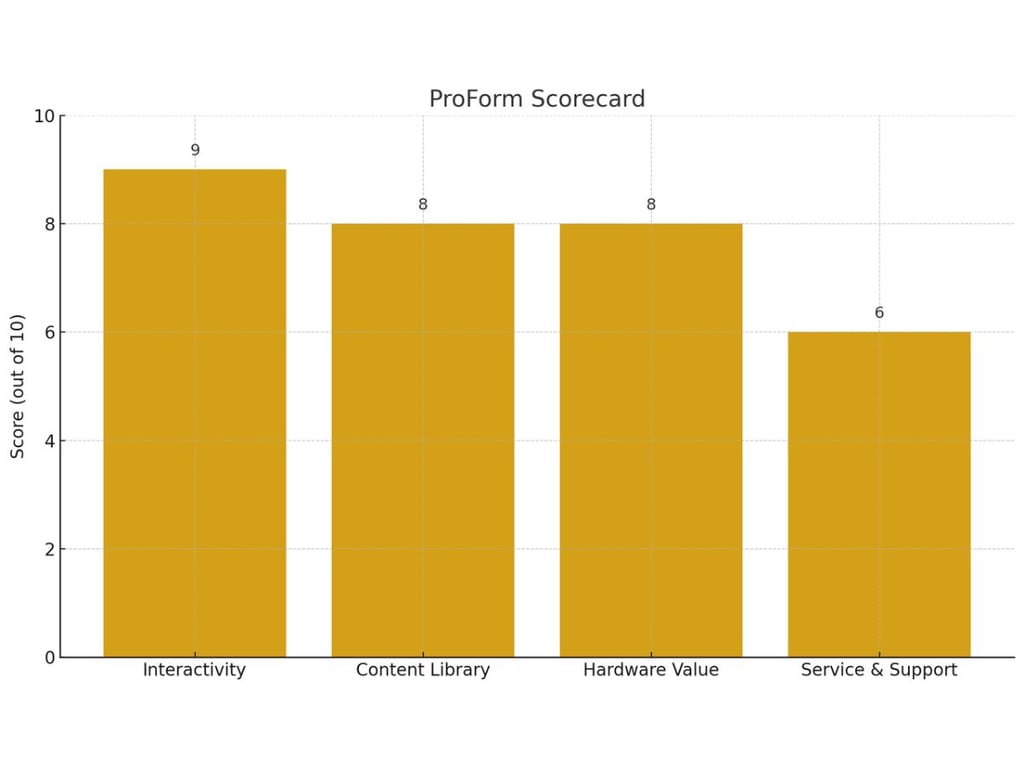
Why Gym Owners and Users Like ProForm
ProForm stands out for making smart fitness more accessible. Members love the interactive iFIT workouts that automatically adjust incline, speed, and resistance to match their goals. Gym owners appreciate the balance between affordability and innovation, making it easy to offer modern, engaging workouts without overspending. For those who want connected training at a reasonable price, ProForm delivers strong value.
4. Bowflex: Best for Space-Saving Strength and Cardio
Bowflex has a strong reputation for creating compact, multi-functional equipment that fits easily into both home gyms and smaller training studios. The brand’s signature designs, like the Max Trainer, SelectTech dumbbells, and VeloCore bike—, combine strength and cardio training in one sleek package. Bowflex offers a flexible, efficient solution that still delivers solid performance.
Pros
- Compact Design: Most Bowflex machines are designed to fit tight spaces, making them ideal for small gyms, apartments, or studio setups.
- Versatile Workouts: With options for both strength and cardio training, Bowflex equipment helps users build muscle and endurance using fewer machines.
- JRNY Platform Integration: The JRNY app offers guided workouts, adaptive coaching, and progress tracking to keep users engaged and improving.
- Good Value for the Features: Offers impressive functionality and versatility without the premium price tag of higher-end commercial brands.
Cons
- App Stability Issues: Some users report occasional software glitches or slow connectivity when using the JRNY platform during intense workout sessions.
- Limited Commercial Durability: Equipment performs best in home or light-use settings but may not hold up under heavy daily gym traffic or stress.
- Fewer Advanced Metrics: Performance tracking is less detailed compared to fully integrated smart fitness systems from other competing brands.
- Maintenance and Parts Access: Replacement parts and servicing can take longer than expected, especially for older or discontinued equipment models.
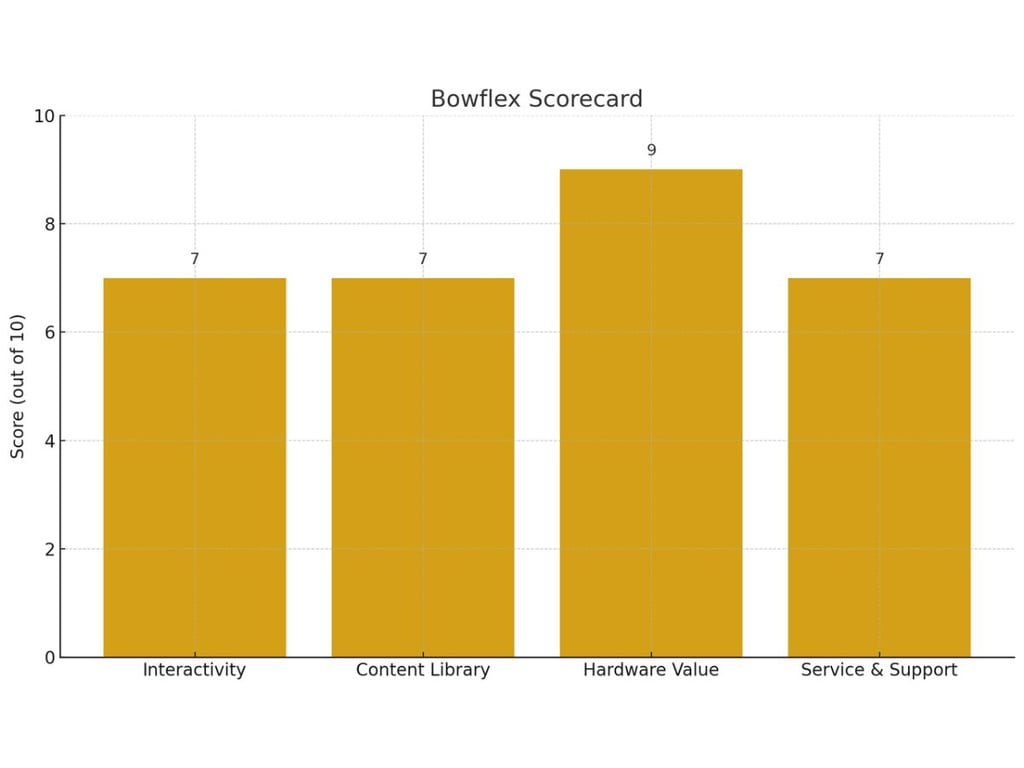
Why Gym Owners and Users Like Bowflex
Bowflex earns loyalty through its versatility and compact design. Users enjoy being able to switch seamlessly between strength and cardio workouts, while owners appreciate how much performance fits into a small footprint. The brand’s JRNY platform adds variety and motivation, keeping workouts fresh. For gyms or studios short on space, Bowflex offers flexibility without sacrificing quality.
5. Precor: Best for Commercial-Grade Performance
Precor is a trusted name in the fitness industry, known for building equipment that stands up to years of heavy commercial use. You’ll find Precor machines in major gyms, hotels, and training facilities around the world. The brand’s focus on biomechanics, smooth motion, and premium construction makes it a go-to choice for businesses that value reliability and member experience above all else.
Pros
- Exceptional Durability: Precor machines are built with heavy-duty materials designed to handle high traffic and continuous use for years.
- Smooth, Natural Motion: Advanced engineering provides a joint-friendly, fluid feel that appeals to both casual users and professional athletes.
- Premium Build Quality: Every component, from frame to console, is crafted for precision, stability, and long-term performance.
- Professional Reputation: Trusted by top fitness centers and hospitality brands worldwide, giving your gym instant credibility and trust.
Cons
- High Initial Cost: Precor equipment carries a premium price tag that may be challenging for smaller gyms or startups with limited budgets.
- Large Equipment Footprint: Machines are heavier and bulkier, requiring more floor space and stronger support for installation and setup.
- Limited Smart Features: While reliable, consoles focus more on performance than entertainment compared to newer connected brands.
- Complex Maintenance Needs: Repairs and servicing often require certified technicians, leading to higher ongoing maintenance expenses.
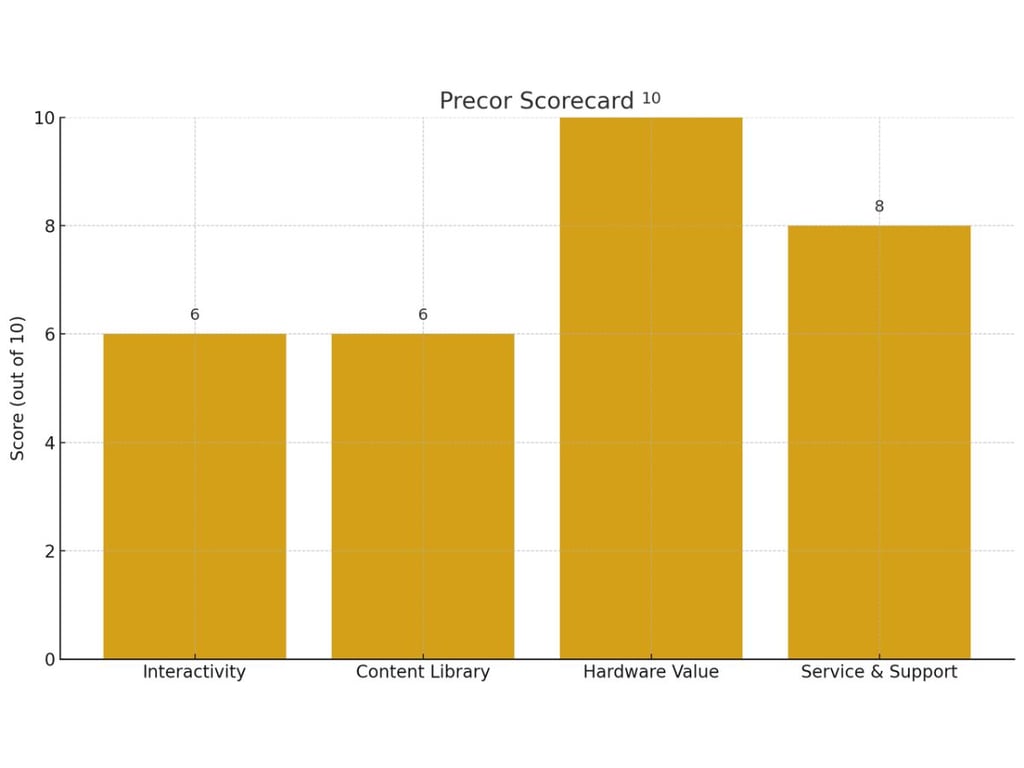
Why Gym Owners and Users Like Precor
Precor is respected for its premium feel and long-lasting build quality. Members notice the smooth, natural motion that makes every workout comfortable yet challenging. Gym owners love the reliability and low maintenance needs, which save time and money in the long run. For facilities focused on professional performance and longevity, Precor remains the gold standard.
6. Factors to Consider When Choosing a Sole Alternative
Choosing between ProForm, Bowflex, and Precor isn’t about chasing the most popular name—it’s about finding what truly fits your goals, space, and budget. Here are the main factors to weigh before making your purchase decision.
Intended Use and Traffic Level
Start by identifying how often the equipment will be used and by whom. ProForm works great for moderate traffic environments, while Precor is built for constant, high-volume use. Bowflex lands in between, offering a solid mix for smaller gyms or personal training studios. Matching equipment durability to your expected traffic prevents unnecessary wear and downtime.
Space and Layout Efficiency
Every square foot matters in a gym or home setup. Bowflex excels in compact designs that fit easily into tighter spaces without losing functionality. ProForm’s folding treadmills and adjustable designs also help maximize floor space. On the other hand, Precor equipment tends to be larger and heavier, so it’s best suited for dedicated commercial floors.
Technology and Member Engagement
Today’s members expect connected, interactive experiences that keep workouts engaging. ProForm leads in this area with iFIT integration, offering guided classes and adaptive challenges. Bowflex’s JRNY app provides variety but is slightly less immersive. Precor focuses on performance-driven consoles, appealing to users who prioritize reliability over entertainment.
Long-Term Cost and Maintenance
Upfront cost is only part of the equation—maintenance and support matter just as much. Bowflex and ProForm offer affordable entry points but may require occasional servicing under heavier use. Precor has a higher initial investment, yet its durability and low maintenance needs can reduce total ownership costs over time. Considering long-term ROI ensures your investment pays off for years to come.
7. Why Not Import From a Chinese Supplier
When you line up brands like ProForm, Bowflex, and Precor, it’s tempting to judge everything by features and product specs. But for gym owners, what matters most is the long-term outcome: equipment that performs consistently, service you can reach fast, and a supplier that protects your investment.
I’ve seen owners import directly from overseas factories because the pricing looked attractive. But many later discovered the real cost was hidden in delays, uneven quality, and limited after-sales help. What starts as a cheap purchase can quickly turn expensive when replacement parts take too long or warranty claims become a struggle.
That’s why YR Fitness has built a strong reputation worldwide. They supply commercial gyms, universities, and national sports teams across more than 100 countries.
Here’s what sets them apart:
- Commercial-Focused Design: Equipment feels more consistent when the full lineup is built with one design standard. YR Fitness develops strength machines, cardio equipment, and accessories with practical mechanics and stable specifications.
- Heavy-Duty Build Standards: High-traffic gyms need equipment that holds up under nonstop use. YR Fitness uses durable construction and steady production control to support longer service life.
- One-Source Equipment Supply: Projects move faster when strength machines, cardio equipment, and accessories come from one supplier. YR Fitness simplifies buying by covering full gym categories in one order.
- Global Export Support: International distribution becomes easier with a supplier experienced in cross-border supply. YR Fitness exports to over 100 countries and regions, supporting repeat orders worldwide.
If big brands like Sole do not line up with your targets, you still have strong alternatives. YR Fitness delivers equipment made for heavy use, plus partner-level support that helps your business grow and stay stable over time.
Recommended Reading:
Want to learn more about reliable gym equipment suppliers? Read our full blog for detailed insights:
Conclusion
Choosing between ProForm, Bowflex, and Precor is about matching the right equipment to your goals, space, and members’ needs. Each brand offers something different: ProForm brings smart interactivity, Bowflex delivers flexibility in tight spaces, and Precor sets the standard for professional durability.
When you take the time to assess long-term reliability, maintenance costs, and overall user experience, you will end up with machines that pay off far beyond the initial investment.
The right choice keeps your members motivated and your operations running smoothly.
If you are ready to upgrade or expand, start by consulting experienced suppliers who understand both the fitness market and your business vision. The sooner you make a smart move, the faster you will see lasting results in performance and satisfaction.
Related articles:


-4.png)