




Are you trying to decide between opening a private training studio or investing in a full commercial gym? Many of our clients asked the same question before launching their business.
We noticed that every choice depends on your goals, space, and the kind of members you want to serve.
At YR Fitness, we manufacture and supply commercial-grade gym equipment used in over 100 countries. We’ve worked with both private studio owners and large gym chains, helping them design layouts, choose the right machines, and grow their operations.
In this article, you’ll see a clear comparison between private training studios and commercial gyms including costs, space use, equipment needs, and profit potential. By the end, you’ll have the insights to pick what fits your business best.
Because the right setup can shape your success from day one.
So, let’s get started!
- Quick Comparison Chart
- 1. What is a Private Training Studio?
- 2. What is Commercial Gym?
- 3. Facilities & Equipment
- 4. Maintenance Needs
- 5. Initial Investment and Setup Costs
- 6. Atmosphere & Environment
- 7. Legal and Compliance Requirements
- 8. Staff Training and Retention
- 9. 3 Factors To Consider When Choosing Between Private Training Studio and Commercial Gym
- Conclusion
Quick Comparison Chart
Before we dive into the details, here’s a quick glimpse at how private training studios and commercial gyms differ in key areas. This overview will help you spot which setup aligns best with your goals before we explore each factor in depth.
Category | Private Training Studio | Commercial Gym |
Best Fit For | Entrepreneurs focusing on quality and flexibility. | Business owners aiming for scale and brand growth. |
Facility Size | 500–2,000 sq. ft., easy to manage and personalize. | 5,000 sq. ft. or more, includes zones for cardio, strength, and classes. |
Equipment Range | Essential, high-quality machines for focused training. | Wide selection of machines for diverse training needs. |
Maintenance | Simple routines handled by owner or trainers. | Requires scheduled checks and dedicated staff. |
Investment | Lower startup costs, gradual growth possible. | Higher setup costs but greater long-term profit potential. |
Atmosphere | Quiet, personal, and goal-oriented environment. | Energetic and social with group activities. |
Legal Requirements | Basic local permits and insurance coverage. | Multiple permits for health, zoning, and safety. |
Staff Management | Small, multi-skilled team offering personal service. | Larger workforce with structured roles and training. |
Target Market | Clients seeking privacy and one-on-one sessions. | Members drawn to variety, group classes, and social energy. |
Moving on, let’s explore each of these factors in more detail to help you make an informed choice.
1. What is a Private Training Studio?
A private training studio is a smaller, focused fitness space built for personal or small group training. Instead of managing hundreds of members, you work closely with clients who value privacy and specialized workouts. This setup gives you more control over the training schedule, equipment use, and client experience.
For business owners like you, a private studio means lower overhead and more flexibility. You can start small, choose the equipment that fits your niche, and grow at your own pace. It’s ideal if your goal is quality service over high member volume.
2. What is Commercial Gym?
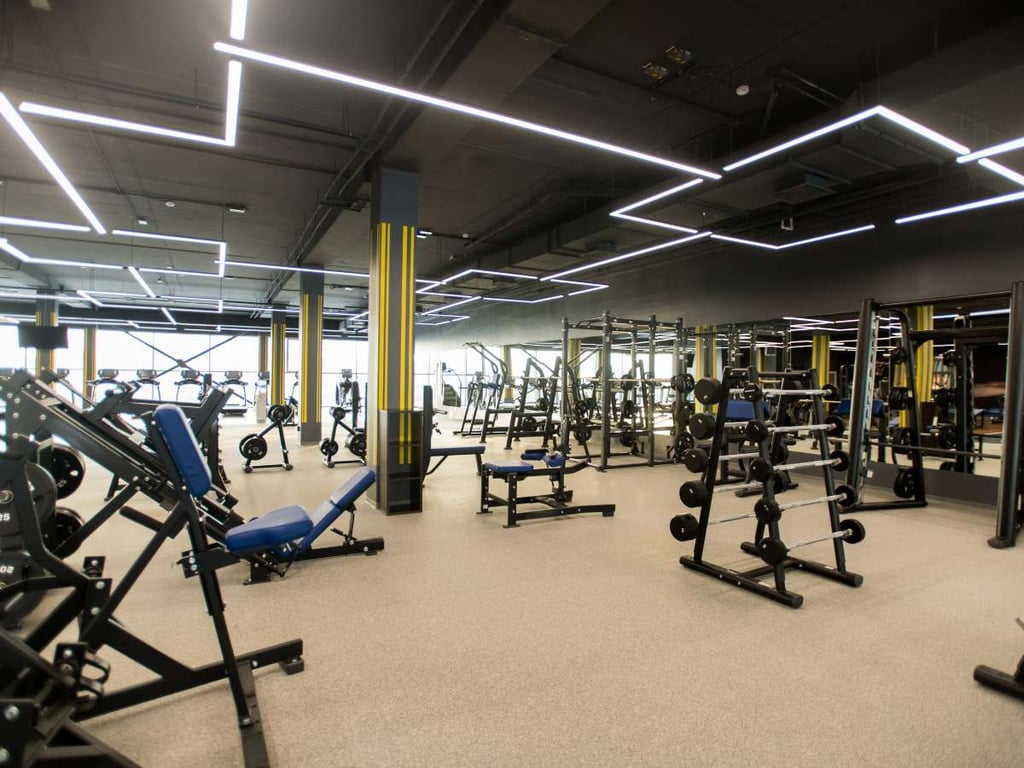
A commercial gym is a large-scale fitness facility designed to serve a high volume of members every day. These gyms typically include multiple training zones, group exercise studios, locker rooms, and a full range of equipment to support strength training, cardio, and functional workouts.
If your goal is to attract a broad market and operate at scale, a commercial gym offers the space and flexibility to do so. While it requires a higher upfront investment in space, staffing, and equipment, it also creates stronger long-term revenue potential when built with durable, commercial-grade solutions.
At YR Fitness, we design and manufacture equipment specifically for high-traffic environments—where durability, biomechanics, and safety matter every single day. Our strength machines, cardio equipment, and fitness accessories are all developed in-house to deliver professional movement angles, long service life, and a cohesive gym layout, while remaining far more cost-effective than many international brands.
Looking to build or upgrade a commercial gym that lasts? Talk to our team at YR Fitness to get expert guidance and commercial-grade equipment tailored to your gym’s scale, budget, and long-term goals.
3. Facilities & Equipment
When you plan your gym business, the setup of your space and the type of equipment you choose play a major role in daily operations. Both private studios and commercial gyms help clients reach fitness goals, but the way you use the space makes a big difference. Think about how many clients you’ll serve and how flexible you want your setup to be before you decide.
Facility Size and Layout
- Private Training Studio: You’ll usually work with a smaller area, around 500 to 2,000 square feet. This makes it easier for you to manage, customize, and create a personal training environment for your clients.
- Commercial Gym: You’ll handle a larger space, often 5,000 square feet or more. This gives you room for separate areas for cardio, strength, classes, and member amenities like locker rooms.
Equipment Variety and Quantity
- Private Training Studio: You’ll focus on essential, high-quality equipment such as racks, benches, and free weights. This setup allows you to offer effective workouts without overcrowding your space.
- Commercial Gym: You’ll invest in a wider range of machines to serve all types of members. From treadmills and selectorized machines to group training equipment, you’ll need variety to meet different training goals.
Takeaway
Private studios give you flexibility, lower overhead, and closer client interaction. Commercial gyms, on the other hand, require more investment but allow you to serve a broader market with full-service facilities and diverse equipment options.
4. Maintenance Needs
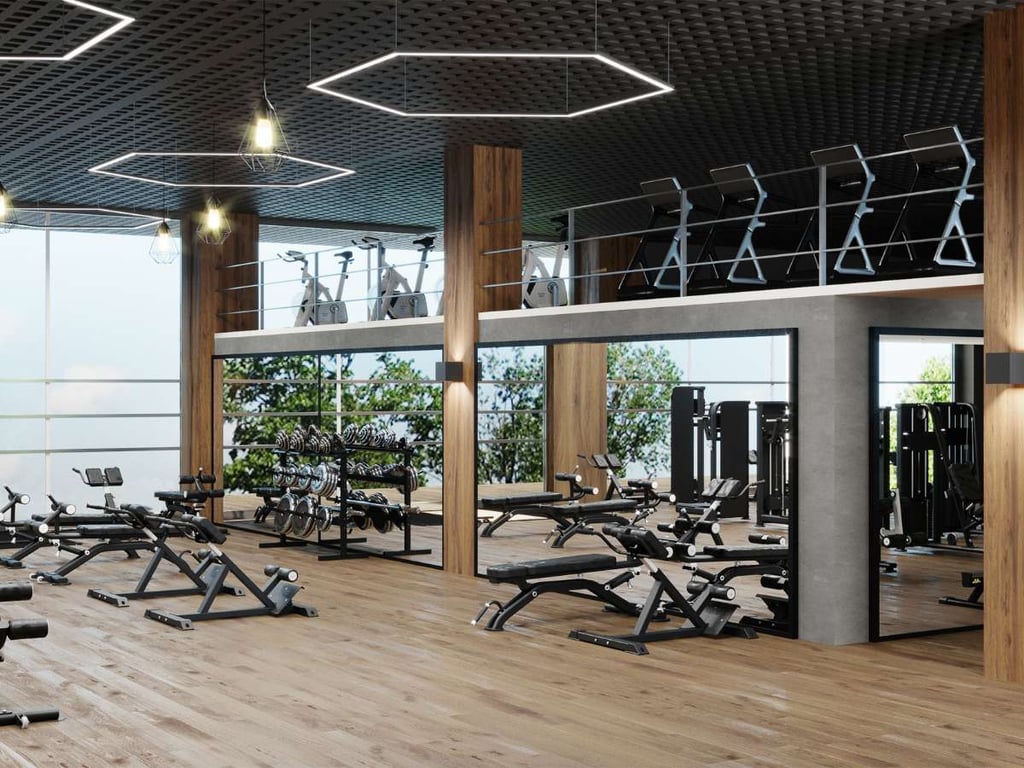
Keeping your gym in top condition is one of the most important parts of running a fitness business. Regular upkeep extends the life of your machines, improves safety, and strengthens client trust. Whether you operate a small studio or a large facility, consistency in maintenance keeps your business running without costly interruptions.
Maintenance Frequency and Responsibility
- Private Training Studio: With fewer machines, it’s easier for you to stay on top of preventive maintenance. Handling inspections yourself helps you spot early issues, schedule small fixes quickly, and maintain a reliable space your clients can depend on.
- Commercial Gym: A bigger setup requires structured maintenance schedules and professional oversight. Hiring a dedicated technician or partnering with a reliable service provider helps your equipment stay in good condition and reduces downtime that could affect member satisfaction.
Cleaning and Hygiene Standards
- Private Training Studio: Maintaining hygiene is simpler because of your smaller space and limited traffic. Cleaning after each session keeps your equipment fresh, shows professionalism, and gives your clients confidence in your studio.
- Commercial Gym: High member traffic demands strict cleaning routines and consistent staff attention. Rotating cleaning shifts and setting up hygiene checklists throughout the day keeps your gym safe, inviting, and compliant with sanitation standards.
Takeaway
Maintenance directly affects your client experience and long-term costs. A private studio gives you more control with less effort, while a commercial gym benefits from organized systems, maintenance teams, and detailed tracking to keep operations efficient.
5. Initial Investment and Setup Costs
Before opening a gym, understanding your financial commitment is essential for making smart, long-term decisions. Your total investment depends on factors such as facility size, target audience, and how quickly you plan to scale. Strategic planning at this stage helps you control costs without compromising training quality or member experience.
Startup Expenses
- Private Training Studio: Startup costs are generally lower because smaller spaces require fewer machines and minimal construction. Many studio owners begin with versatile strength equipment and functional training tools, then gradually reinvest profits as demand increases.
- Commercial Gym: Commercial gyms demand a higher upfront investment. Expenses often include construction, reinforced flooring, lighting, branding, and essential amenities such as locker rooms and showers.
Operating Costs
- Private Training Studio: Monthly expenses are easier to manage thanks to lower utility bills, limited staffing, and fewer members. This flexibility allows owners to fine-tune spending without disrupting daily operations.
- Commercial Gym: As scale increases, so do recurring costs like payroll, utilities, equipment maintenance, and cleaning services. Long-term profitability depends on choosing durable equipment and maintaining tight operational control as membership grows.
Takeaway
Private training studios offer a lower-risk entry with gradual growth, while commercial gyms require greater upfront capital but provide stronger long-term revenue potential when built on reliable infrastructure.
At YR Fitness, we focus on helping operators invest wisely by supplying professionally designed, commercial-grade equipment that stands up to years of heavy daily use—without the premium price tag of many international brands. Our strength machines, cardio equipment, and accessories are engineered to deliver durability, biomechanics, and consistency, so you don’t face early replacement or excessive maintenance costs.
Planning your gym investment and want to get the most value from your budget? Connect with the YR Fitness team to explore cost-effective equipment solutions designed to support sustainable growth from day one.
6. Atmosphere & Environment
The atmosphere of your gym sets the tone for your business. It affects how clients feel when they walk in and how likely they are to return. Your setup should match your business goals and the kind of experience you want to provide.
Client Experience and Energy
- Private Training Studio: A calm, focused setting allows clients to feel comfortable and supported during training. The personal attention they receive helps build strong relationships and encourages steady progress in a distraction-free environment.
- Commercial Gym: The lively energy of a larger facility attracts clients who enjoy group training and social interaction. Music, movement, and community events create a motivating atmosphere that keeps members returning regularly.
Design and Space Flow
- Private Training Studio: Thoughtful design improves both efficiency and comfort for you and your clients. Keeping the layout open, with clear pathways and organized storage, creates a smooth training flow that feels professional yet relaxed.
- Commercial Gym: Managing space flow becomes more complex with higher member volume. Dividing areas into specific zones for cardio, strength, and recovery helps avoid congestion and keeps your gym looking organized during peak hours.
Takeaway
Your gym’s environment defines the kind of experience your clients will have. A private studio offers personal focus and calm interaction, while a commercial gym provides energy, variety, and community that appeal to a wider market.
7. Legal and Compliance Requirements
Running a gym goes beyond workouts and programming—it also means meeting legal and regulatory standards that protect both your business and your members. Staying compliant helps prevent fines, supports long-term stability, and builds trust with clients from day one.
Business Licenses and Permits
- Private Training Studio: Smaller studios typically require local business registration, insurance, and basic operating permits. Keeping documents organized and up to date makes inspections and renewals far less stressful.
- Commercial Gym: Larger facilities usually face stricter requirements, including permits related to health regulations, fire safety, zoning, and maximum occupancy. Planning ahead and consulting legal professionals early helps avoid delays that could impact your opening timeline.
Health, Safety, and Liability
- Private Training Studio: With fewer clients and a compact space, safety is easier to manage. Proper flooring, routine equipment checks, and accessible first-aid supplies play a key role in reducing risk.
- Commercial Gym: High-traffic environments demand structured safety systems. Regular inspections, clear emergency procedures, and staff training in injury prevention are essential for maintaining compliance and protecting both members and staff.
Takeaway
Legal compliance should never be an afterthought. Private studio owners benefit from consistent attention to basic permits and safety practices, while commercial gym operators need formal systems and professional support to ensure smooth expansion and long-term credibility.
At YR Fitness, we design and manufacture equipment that meets recognized international standards, including ISO20957, supported by multiple patents and quality certifications. This means gym owners can confidently pass inspections and operate in line with global safety expectations—whether they’re opening a single location or managing multiple facilities across regions.
Because our equipment is exported to over 100 countries and regions, we understand how critical it is for gyms to meet regulatory requirements across different markets—without adding complexity or risk for the owner.
Looking for compliant, inspection-ready equipment you can rely on? Get in touch with the YR Fitness team to equip your gym with professionally designed, globally certified solutions that support safe, compliant, and sustainable operations.

8. Staff Training and Retention
Your team plays a huge role in how your clients experience your gym. Well-trained and motivated staff can turn casual members into loyal customers who stay long-term. Whether you run a small studio or a large gym, how you recruit, train, and retain your team will directly affect your reputation.
Hiring and Onboarding
- Private Training Studio: Hiring can be more selective since you’ll need trainers who handle multiple roles. Taking time to onboard properly helps your team understand your service style, safety expectations, and business values.
- Commercial Gym: You’ll likely manage a larger team with different skill sets, from trainers to front desk staff. Creating a structured onboarding program helps new employees adapt faster and maintain consistent service standards across all departments.
Employee Development and Motivation
- Private Training Studio: Continuous training keeps your staff skilled and confident. Offering opportunities for certifications, workshops, and growth helps retain quality trainers who share your long-term vision.
- Commercial Gym: A clear career path and reward system help reduce staff turnover. Recognizing achievements, supporting internal promotions, and maintaining a positive work culture encourage your team to stay committed.
Takeaway
Your team is the face of your business, and investing in them always pays off. Private studios benefit from close relationships and hands-on leadership, while commercial gyms thrive with structured programs that promote teamwork, consistency, and long-term retention.

9. 3 Factors To Consider When Choosing Between Private Training Studio and Commercial Gym
Deciding between a private training studio and a commercial gym isn’t just about space or budget, it’s about the kind of business you want to build. Each setup offers different opportunities, challenges, and rewards depending on your goals. Here are some factors to consider when deciding:
#1 Business Goals and Growth Plans
Start by thinking about what kind of business you want to build in the next few years. If your goal is to create a focused, service-driven brand where you have full control over your operations, a private training studio is the smarter choice. It gives you the freedom to set your own pace, refine your training style, and grow steadily without taking on heavy financial risk.
#2 Market Demand and Target Clients
Knowing who your clients are will help you decide the best direction for your business. If your market values community, energy, and accessible fitness options, a commercial gym will meet that demand. It allows you to serve a wide audience with various programs and training options under one roof.
At YR Fitness, we provide durable, commercial-grade gym equipment designed to handle heavy daily use and attract members who expect quality. Our machines help you build a professional image, strengthen your brand reputation, and deliver a smooth training experience that keeps clients coming back.
If you need help choosing the right setup or want expert advice on equipment planning, talk to our team and we’ll help you build a fitness space that fits your business goals perfectly.
#3 Investment Comfort and Management Style
How much you want to invest and how hands-on you want to be will guide your decision. If you prefer to start small, maintain direct involvement, and grow gradually, a private training studio fits best. It requires less startup capital and lets you stay close to daily operations, giving you better control over service quality and customer experience. Over time, you can scale your space and offerings without losing your personal touch.
Conclusion
When we first met gym owners deciding between studios and gyms, their biggest question was which setup leads to long-term success.
Now you’ve seen how both options depend on goals, market, and comfort with investment. Whatever you choose, the right decision aligns with your vision, not just your budget.
Ready to take the next step? Contact YR Fitness today and let’s create a gym setup that fits your brand and your future plans.
Related articles: