





Are you unsure which gym equipment to buy first? With so many machines, prices, and brands available, it is easy to spend money on equipment you do not really need.
The short answer is: plan what you need, compare your options carefully, then set up and test everything. These three phases can save you money, floor space, and frustration later.
As an Ergonomics Engineer at YR Fitness, I study how people interact with gym equipment and how machines fit into real workout spaces. I often see buyers focus on the machine first when they should start with their training goals and available room.
Below, I’ll walk you through the three buying phases step by step. Follow them in order, and choosing the right equipment becomes much easier.
1. Phase 1: Plan What You Actually Need
Do not start by shopping. First, decide what you actually want your equipment to do.
Decide Your Training Goal
Your training goal should control your equipment list.
Your Goal | Equipment to Consider | Simple Buying Approach |
Build muscle | Rack, bench, dumbbells, cable machine, strength machines | Prioritize resistance options |
General fitness | Adjustable dumbbells, bench, cable equipment, basic cardio | Mix strength and cardio |
Weight loss and endurance | Treadmill, bike, elliptical, rower | Choose cardio you enjoy using |
Home training | Compact or multi-purpose equipment | Save space and avoid duplicates |
Not sure whether you need both strength and cardio equipment?
The U.S. Physical Activity Guidelines for Americans recommend that adults combine aerobic activity with muscle-strengthening activity at least two days each week. That does not mean you need a room full of machines, but it can help you build a more balanced equipment list.
Do you really need ten machines? Probably not.
I normally suggest starting with equipment that covers several exercises. You can always add specialized machines later.
The latest ACSM resistance training guidance also emphasizes consistency and individual needs over complicated programs. It notes that free weights, machines, bands, bodyweight exercises, and home-based training can all support useful resistance training.
Measure Your Space
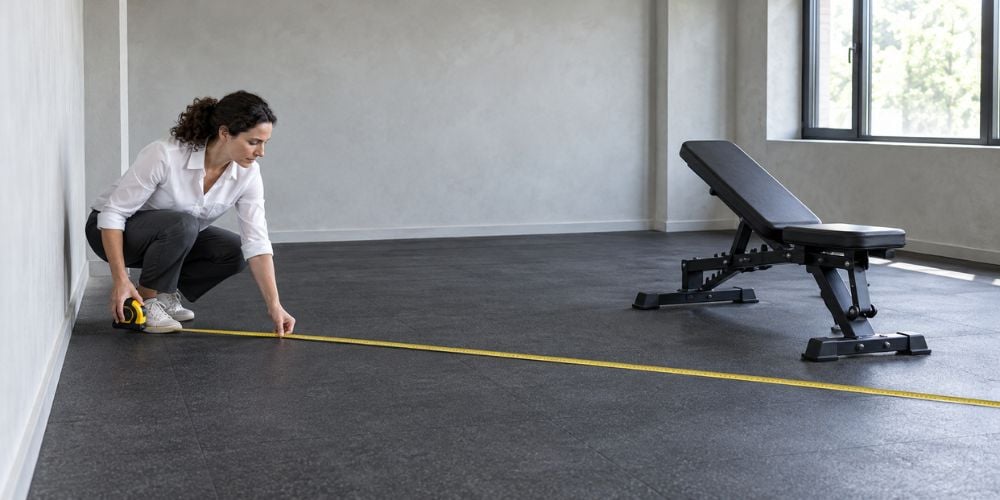
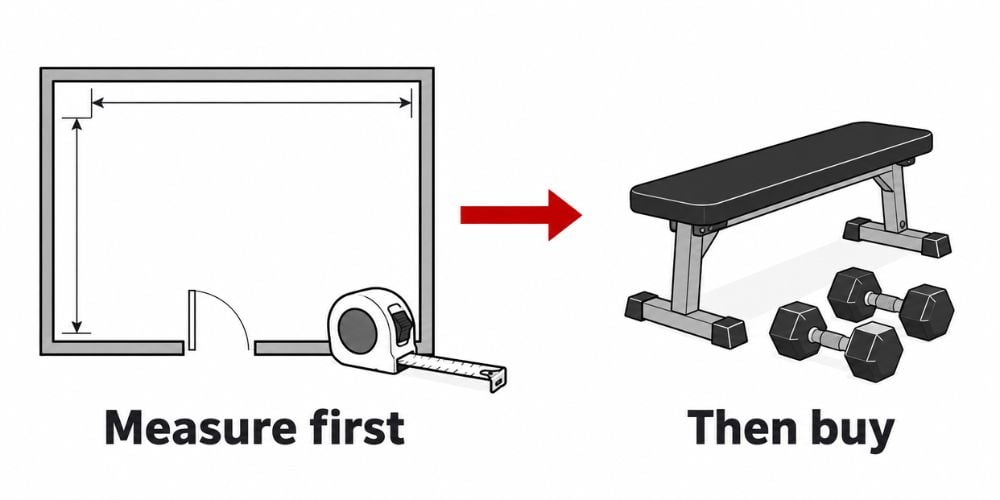
Measure the room before comparing machine dimensions.
Make sure you have room to:
- Get on and off safely
- Load and unload weights
- Adjust seats and handles
- Walk around the equipment
- Exercise without hitting a wall or another machine
Here is why this matters: machine footprint is not the same as usable training space.
I often see equipment that technically fits but leaves almost no room to move comfortably. Think about the space around the machine, not just underneath it.
Set Your Budget
Do not spend your entire budget on the main machines.
Include:
- Equipment
- Flooring
- Delivery
- Assembly
- Accessories
- Maintenance
Leave some money available for future additions. After several weeks of training, you may realize what equipment you actually need next.
2. Phase 2: Compare and Buy the Equipment
Now you know what you need. It is time to compare your options without getting distracted by appearance or a low price.
Check Build Quality
For strength equipment, look at the basic construction first.
What to Check | What You Want to See |
Frame | Stable construction without unwanted movement |
Welds | Clean, consistent connections |
Cables and pulleys | Smooth movement without rubbing or sticking |
Bearings | Smooth rotation |
Adjustment pins | Secure and easy to use |
Upholstery | Firm support with durable covering |
Weight capacity | Suitable for your training load |
Movement | Smooth and comfortable through the exercise |
For cardio equipment, also check the motor or resistance system, console, belt or pedals, and replacement-part availability.
Why does this matter?
A cheap machine is not a good deal if it feels unstable, uncomfortable, or difficult to maintain.
Try the Movement When Possible
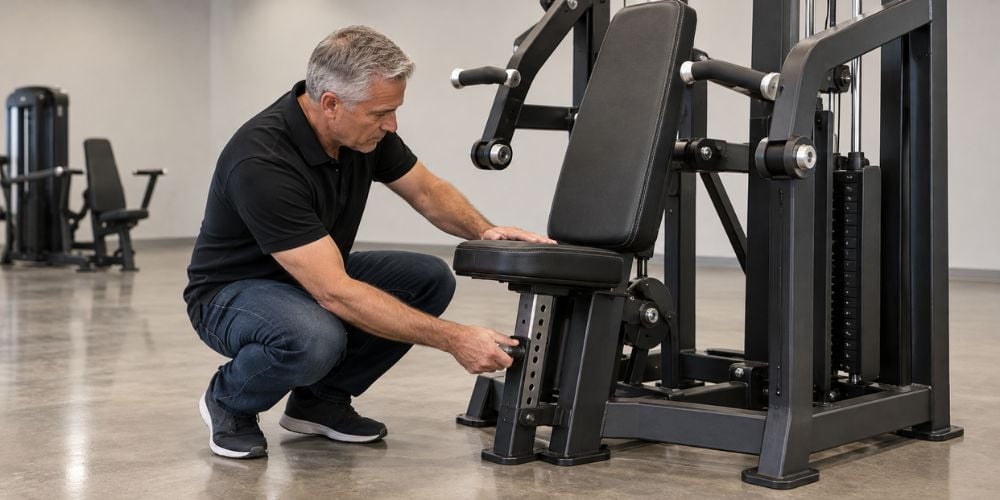
A machine should fit your body as well as your room.
Check whether:
- The seat adjusts properly
- Handles are easy to reach
- Your joints move comfortably
- Resistance feels smooth
- The starting position feels natural
I have tested machines designed for the same exercise that felt completely different. Small changes in adjustment and movement path can make a noticeable difference during training.
Compare the Warranty and Parts
Do not compare price alone.
Ask:
- How long is the warranty?
- What parts are covered?
- Can replacement cables, pads, bearings, or electronics be ordered?
- Is technical support available?
The U.S. Federal Trade Commission recommends checking a warranty’s length, coverage, repair process, and limitations before buying. Its consumer warranty guide also recommends keeping your warranty information and purchase receipt afterward.
That is a small step, but it can save a lot of trouble if something fails later.
Home or Commercial Equipment?
For occasional workouts, good home-grade equipment may be enough.
Commercial equipment becomes more useful when you want:
- Heavier construction
- Frequent daily use
- Larger training loads
- More adjustment options
- Longer-term durability
On the other hand, commercial equipment is not automatically the right choice for everyone. Match the machine to how often and how hard you actually train.
If you are comparing heavier-duty equipment, take a look at YR Fitness before making your final list. We design commercial strength equipment, cardio machines, and accessories for regular heavy use, so you can compare our construction, movement options, and equipment types against what your own training setup needs. Explore our gym equipment options
3. Phase 3: Set Up, Test, and Adjust
Buying the equipment is not the final step. You still need to make sure it works properly in your actual training space.
Position Equipment Properly
Keep frequently used equipment easy to reach.
Try to separate:
- Heavy strength equipment
- Free-weight areas
- Cardio machines
- Open exercise space
Do not squeeze machines together simply because they technically fit. You still need comfortable room to walk, adjust equipment, and exercise.
Test Everything
Before your first hard workout, check:
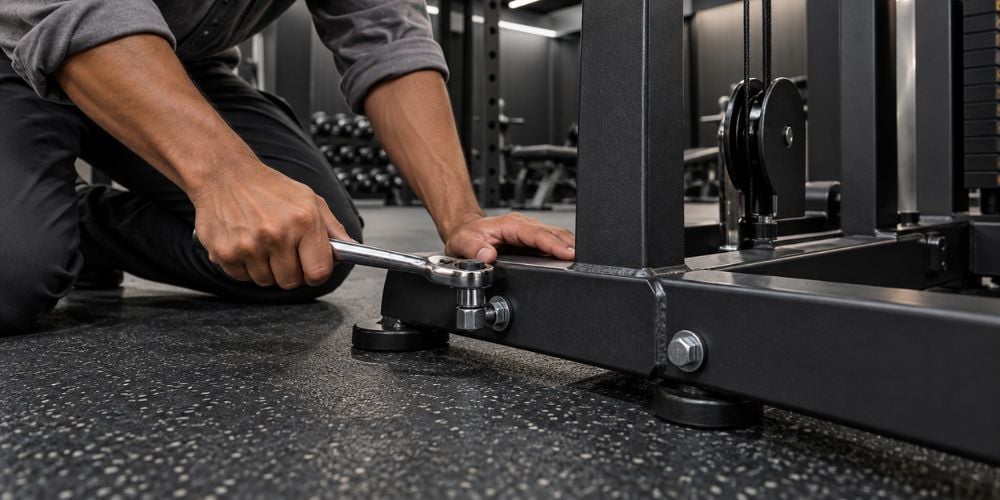
- Bolts and fasteners
- Adjustment pins
- Seats and pads
- Cables
- Pulleys
- Moving arms
- Footplates
- Machine stability
For cardio equipment, test the speed or resistance at a low setting first.
Why rush the first workout?
I would rather spend a few extra minutes checking a new machine than discover a loose part during a heavy set.
Train Before Buying More
Use your setup for several workouts before adding anything else.
Then ask yourself:
What am I using most?
What exercise am I still missing?
Is anything taking up space without adding much value?
Let your actual workouts answer those questions. In my experience, real training shows you what you need much better than a long shopping list.
Common Buying Mistakes to Avoid
Before placing another order, check that you are not making one of these common mistakes:
- Buying before measuring the room
- Buying too many machines at once
- Choosing equipment only because it looks good
- Ignoring delivery and assembly costs
- Buying the cheapest option without checking construction
Avoid these mistakes, and the buying process becomes much simpler.
Conclusion
Buying gym equipment does not need to be complicated. Plan what you need, compare carefully, then set up and test everything before buying more.
The best setup is not necessarily the one with the most machines. It is the one that fits your body, available room, workouts, and budget.
If you are ready to compare durable commercial equipment, YR Fitness has produced strength machines, cardio equipment, and fitness accessories designed for regular heavy use. Browse gym equipment and plan your next purchase.
Related articles: