





I used to manage gym equipment orders for a mid-sized fitness chain, and one of the biggest headaches was finding a bike that offered Peloton-style performance without the steep price. The Yesoul bikes looked promising at first, but we needed something with stronger software support and better warranty coverage.
That experience made me start comparing alternatives that actually meet business-level needs instead of just appealing to home users.
As someone who’s helped several gym owners and distributors choose indoor cycling systems, I’ve tested, reviewed, and compared performance, support, and costs firsthand. I understand what features matter for commercial use and which ones look good on paper but fall short on the gym floor.
In this article, you’ll see how Peloton and Echelon compare against Yesoul in price, performance, content ecosystem, and service. By the end, you’ll have a clear answer to which brand better fits your business model.
If you’ve ever wondered whether it’s worth upgrading from Yesoul, this comparison will save you hours of guesswork.
So, let’s get started!
1. Why Consider Yesoul Alternative?
Many gym owners start with Yesoul because they look modern and cost less upfront. But over time, those initial savings can fade once maintenance and software limitations appear. I’ve seen this pattern repeat in multiple commercial setups.
Here’s what often becomes the turning point for gyms considering a switch:
- App features that don’t support large group classes or trainer-led sessions
- Sensors and consoles that fail after months of heavy usage
- Delays in parts delivery that cause extended equipment downtime
- Limited warranty coverage compared to other business-focused brands
Switching to a more commercial-grade system like Peloton or Echelon helps avoid these setbacks. Both brands are built for continuous use and come with support networks that match business demand.
2. Quick Comparison of Yesoul Alternative
Finding the right alternative to Yesoul depends on what your business values most. Some gyms focus on brand recognition and member experience, while others prioritize pricing, support, and space efficiency.
Here’s how Peloton and Echelon compare for commercial setups:
- Peloton: Best for gyms aiming to deliver a high-end studio experience with brand appeal and premium content.
- Echelon: Best for operators needing reliable, affordable commercial options with solid service support.
Brand | Features | Offerings | Watch Out For |
Yesoul | Budget-friendly, app-based connectivity, compact design | Space-saving bikes and accessories for smaller gyms | Lighter construction, limited business support, not ideal for heavy daily use |
Peloton | Premium training programs, live and on-demand classes, interactive leaderboard | Smart bikes, app subscription, branded accessories | Higher cost per unit, subscription dependence, slower service turnaround for businesses |
Echelon | Balanced performance, app integration, scalable class library | Connected bikes, rowers, and commercial packages | Moderate brand recognition, mixed instructor quality, shorter warranty coverage |
3. Peloton: Best for Premium Studio Experience
Peloton has become a top choice for commercial gyms that want to offer high-quality connected cycling experiences. It combines premium hardware, a polished training app, and consistent content updates that attract both beginners and advanced riders. For business owners, it’s a brand that can lift member engagement and create a strong value perception for your gym.
Pros
- Wide Content Library: Peloton gives your members hundreds of live and on-demand classes across multiple fitness levels. I know how important variety is for keeping members engaged, especially when retention depends on excitement.
- Strong Brand Appeal: The Peloton name alone draws attention. Members often associate it with professionalism and high performance, which helps gyms market their premium packages more easily.
- User-Friendly Interface: Trainers and clients can quickly navigate the touchscreen system. This reduces downtime and makes it easier to start sessions on schedule without tech frustrations.
- Community Integration: The leaderboard and interactive features add a sense of competition and connection. Many gym owners tell me this keeps members coming back more consistently.
Cons
- Higher Upfront Cost: Peloton bikes are priced at the upper end of the market. For smaller gyms or startups, this can strain early budgets before membership revenue builds up.
- Subscription Dependency: Each bike requires a paid membership for full functionality. Without it, access to classes and performance data becomes limited, which affects the training experience.
- Maintenance Complexity: Replacement parts and service can take time to arrange. Commercial users often need to plan preventive maintenance to avoid extended downtime.
- Limited Customization: The system is locked within Peloton’s ecosystem. You can’t integrate it with other apps or third-party management tools many gyms already use.
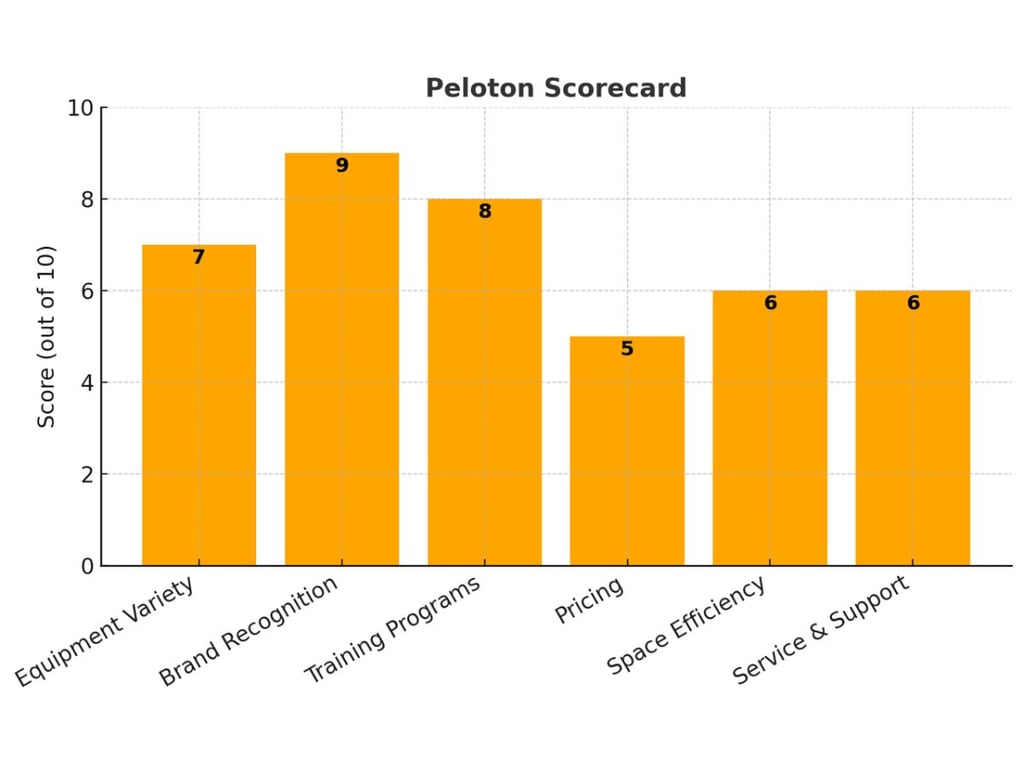
Why Gym Owners and Users Like Peloton
Peloton stands out because it feels like a full studio experience without leaving the gym floor. I know how much that matters when you’re trying to offer something that feels both premium and consistent. The polished design, engaging instructors, and reliable streaming quality make it easy for gyms to elevate their brand while keeping members motivated through every session.
4. Echelon: Best for Business Flexibility
Echelon has grown into a trusted option for gyms that need connected cycling without Peloton’s high entry cost. It balances affordability, content quality, and hardware performance, making it easier for small to mid-sized fitness centers to scale their indoor cycling programs. If your goal is consistent reliability with manageable investment, Echelon often strikes the right balance.
Pros
- Affordable Commercial Packages: Echelon offers business pricing that helps you equip multiple bikes without overspending. I know many gym owners who started small and appreciated how easy it was to add units as membership grew.
- Broad Content Variety: The Echelon Fit app provides live and on-demand classes in cycling, strength, yoga, and more. This helps gyms keep content fresh and members engaged across different fitness levels.
- Easy Integration: Echelon bikes work well with both mobile and large display setups. You can run group sessions or individual workouts without complex software installation or licensing issues.
- Responsive Support Team: Echelon’s business service line provides faster turnaround on maintenance and part requests. That responsiveness matters when you’re managing daily classes and can’t afford long downtimes.
Cons
- Less Brand Recognition: While Echelon has a solid reputation, it doesn’t have the same name power as Peloton. Some gyms find they need more marketing effort to promote it as a premium option.
- Content Quality Variance: Live instructors and production quality can vary between classes. Members used to Peloton’s polished delivery may notice the difference right away.
- Limited Advanced Metrics: Echelon’s performance tracking is solid but not as detailed as higher-end systems. If your gym emphasizes data-driven training, this could feel restrictive.
- Shorter Warranty Period: Commercial warranties are available but shorter than Peloton’s coverage. Gym owners should factor in potential maintenance costs when budgeting long term.

Why Gym Owners and Users Like Echelon
Echelon appeals to business owners who value practicality and steady performance over hype. I know that in commercial settings, reliability and affordability often matter more than branding. Its flexible setup, responsive service, and user-friendly app make it a dependable choice for gyms that want connected cycling without stretching their budget.
5. Factors to Consider When Choosing a Yesoul Alternative
Choosing the right bike brand for your gym goes beyond price tags or flashy features. From my experience, the best decisions come from understanding what keeps your equipment running smoothly day after day. Let’s look at the practical things that really make a difference for gym owners and equipment distributors.
Hardware Durability and Maintenance
Daily commercial use pushes bikes harder than any home setup ever will. Look for brands with steel frames, replaceable parts, and accessible service centers. Between the two, Echelon holds up better under continuous use because its components are easier and cheaper to maintain.
Software and Content Support
Consistent software updates keep your equipment fresh and classes engaging. Peloton shines here with smoother app performance and a larger instructor library. For gyms running multiple classes each day, Peloton is the smarter choice for long-term member engagement.
After-Sales Service and Business Support
A brand’s service quality determines how much downtime your gym will face. Echelon’s commercial support team usually responds faster and provides parts locally, while Peloton relies more on centralized service. If fast turnaround matters to you, Echelon is the safer investment.
Total Cost of Ownership
The real cost of a bike shows up after purchase, subscriptions, maintenance, and part replacements add up fast. Echelon’s pricing structure is easier for growing gyms, while Peloton’s higher monthly fees make sense only for premium studios. For most businesses, Echelon offers better long-term value without cutting quality.
6. Why Not Import From a Chinese Supplier
Many gym owners end up comparing brands like Life Fitness, Technogym, and Cybex, yet still feel uncertain about what best matches their business goals. When they want stronger durability at a better price, they often start looking at buying straight from China.
The challenge is that quality and safety standards can vary widely between factories. YR Fitness stands out as one of China’s leading gym equipment manufacturers, supplying professional-grade machines to more than 100 countries. With decades of experience and a strong focus on original design, they’ve become a dependable pick for gyms that want reliable performance at a fair cost.
Here’s where YR Fitness makes the difference:
- Commercial-Ready Product Design: YR Fitness develops equipment with practical training mechanics and consistent specifications for real gym use. This supports smoother workouts across strength machines, cardio equipment, and accessories.
- Reliable Build For Daily Traffic: Equipment is made for heavy commercial use with durable construction and steady production control. This helps reduce early wear and supports longer service life in busy facilities.
- One-Stop Equipment Sourcing: You can source strength machines, cardio equipment, and accessories from one supplier instead of coordinating multiple factories. This simplifies purchasing, speeds up planning, and keeps your gym floor consistent.
- Global Export Capability: YR Fitness exports to over 100 countries and regions, supporting distributors and gym projects worldwide. This makes cross-border ordering and repeat supply more practical for international buyers.
If you’re comparing direct import options, remember the risks that often follow low prices. YR Fitness provides manufacturer pricing and proven reliability, helping you avoid uncertainty and rework.
Recommended Reading:
Interested in learning about trustworthy manufacturers? Read this guide for practical tips and detailed insights.
Conclusion
Finding the right alternative to Yesoul depends on what your business needs most, reliability, service, or long-term value.
From my experience, Peloton is best if you want a premium studio feel that attracts high-paying members, while Echelon gives you steady commercial performance at a lower investment. Yesoul, on the other hand, fits smaller setups but isn’t built for daily, heavy use.
Choosing the right supplier is more than a purchase; it’s a partnership that shapes your gym’s reputation and growth. Go with the one that keeps your business running smoothly long after the first sale!
Related articles: