




When I first looked into smart strength equipment, Tonal caught my attention immediately. It seemed sleek, high tech, and perfect for compact spaces. But after a few months, I started realizing the limitations, especially the high cost and the reliance on subscriptions.
That’s why I decided to explore alternatives that could offer similar functionality without the same drawbacks. Brands like Peloton and Bowflex have stepped up their game in connected fitness, and they deserve a fair comparison.
Over the years, I’ve tested, reviewed, and sourced equipment for gyms and home setups alike. This guide reflects that hands on experience, not just what the marketing brochures say.
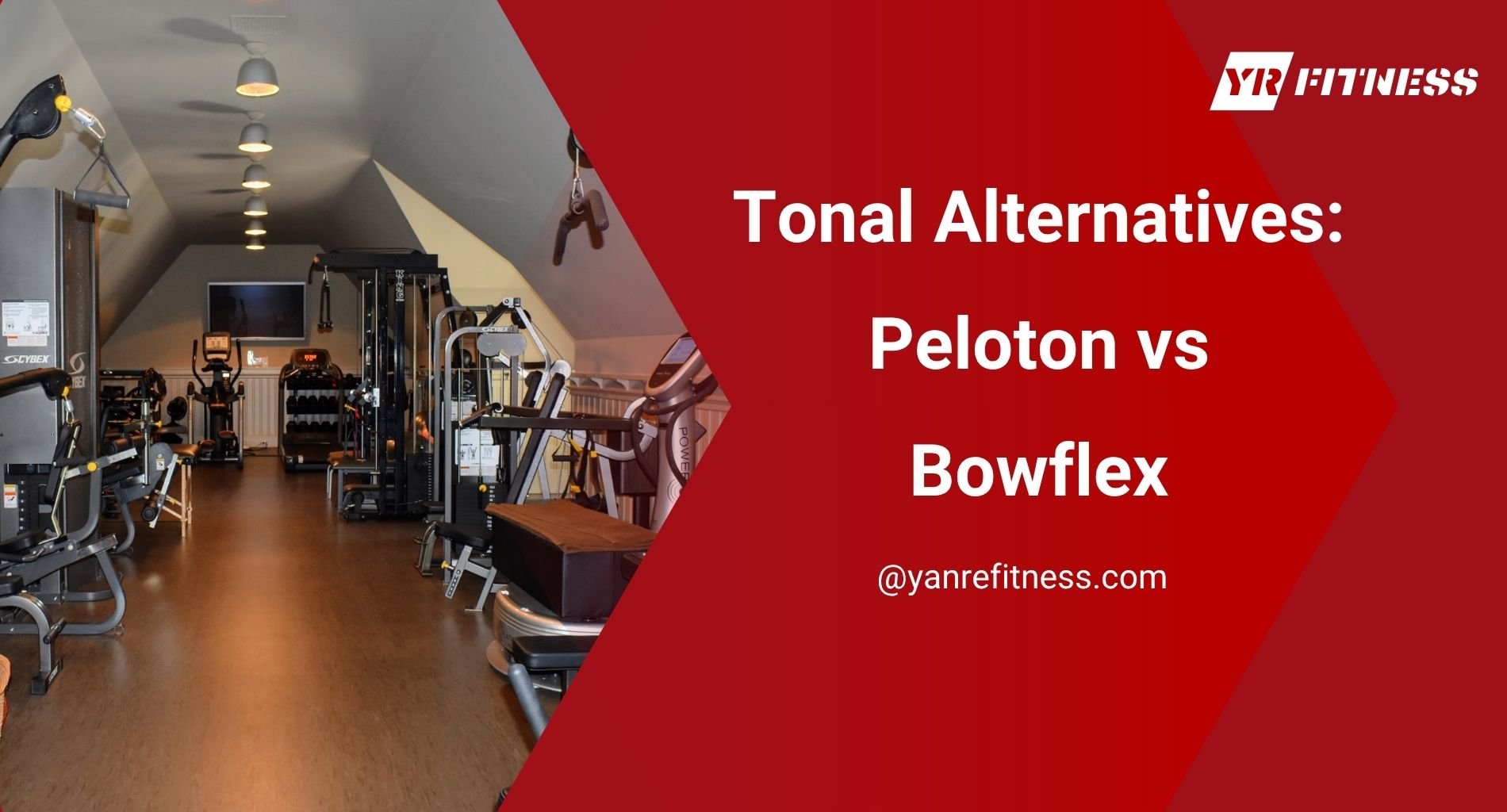
In this article, you’ll get a clear, side by side look at Peloton and Bowflex as Tonal alternatives. We’ll cover performance, versatility, cost of ownership, and who each brand is best suited for.
If you’re trying to make a smart investment for your fitness business or home gym, this breakdown will help you choose confidently and avoid hidden tradeoffs.
So, let’s dive in!
1. Why Consider a Tonal Alternative?
Tonal has built a strong reputation for bringing digital strength training into compact spaces. But as impressive as its technology is, it’s not always the best fit for every home or business setup. Many gym owners and fitness enthusiasts I’ve talked to have faced familiar challenges, such as:
- High upfront cost combined with mandatory monthly subscription fees
- Limited weight resistance that may not suit advanced users
- Professional installation requirements and wall-mount restrictions
That’s where alternatives like Peloton and Bowflex come in. Each offers unique advantages — Peloton with its immersive, community-driven training experience, and Bowflex with its versatile, space-efficient design. Exploring beyond Tonal opens up options that can better match your budget, training goals, and long-term flexibility.
2. Quick Comparison of Tonal Alternatives
Before getting into the specifics, here’s a quick side-by-side overview of Tonal and two strong competitors. This comparison highlights what each brand is known for, their key benefits, potential drawbacks, and who they’re best suited for.
- Peloton: Best for fitness enthusiasts who value live motivation and community-driven workouts.
- Bowflex: Best for people who want a flexible, space-efficient setup for both strength and cardio training.
Brand | Key Features | Strengths | Drawbacks |
Tonal | Wall-mounted digital strength trainer, adaptive resistance up to 200 lbs, personalized programs, smart coaching | Compact and modern design, advanced tech features, guided workouts | Expensive upfront cost, ongoing subscription, limited max resistance, requires professional installation |
Peloton | Smart bikes, treadmills, strength and cardio classes, live and on-demand sessions | Engaging classes, strong sense of community, premium design, smooth app experience | High monthly subscription, limited equipment variety beyond cardio |
Bowflex | SelectTech adjustable dumbbells, Max Trainer, VeloCore bike, multifunction home gyms | Compact, versatile, affordable, supports various workout styles | Less interactive content, app experience not as advanced, mixed feedback on durability |
3. Peloton: Best for Immersive, Connected Workouts
Peloton has redefined what at-home and studio-connected training can look like. Known for its sleek design and powerful digital ecosystem, Peloton combines live coaching, on-demand classes, and social motivation to create an engaging fitness experience. With its bikes, treadmills, and app-based strength workouts, Peloton offers an all-in-one platform for users who thrive on energy, accountability, and community.
Pros
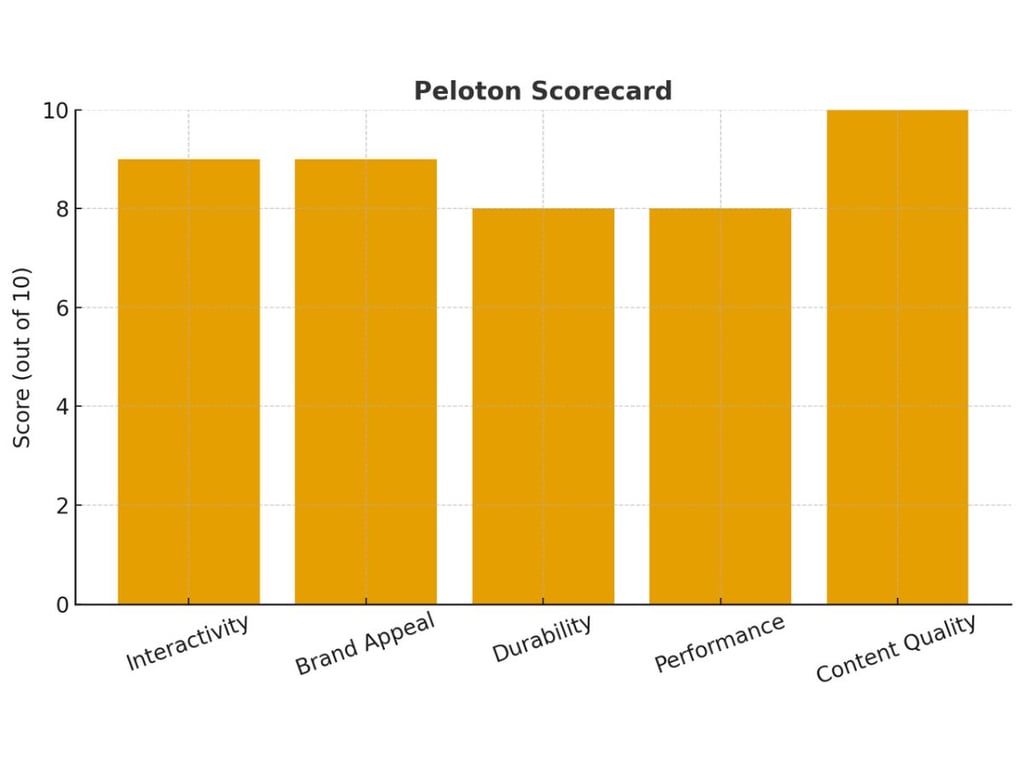
- Engaging Digital Experience: Peloton’s live and on-demand classes keep users motivated with real-time feedback, leaderboards, and interactive coaching that feel personal and exciting.
- Strong Community Connection: The global member base fosters friendly competition and a sense of belonging that drives long-term commitment and consistency.
- Professional Coaching Quality: Trainers are skilled, engaging, and diverse—offering instruction that motivates, challenges, and inspires all fitness levels.
- Premium Design and Feel: Peloton equipment is sleek, durable, and designed to complement modern gym and home spaces with exceptional build quality.
Cons
- High Upfront and Subscription Costs: The total expense can become significant over time, especially for small gyms or home users who need multiple machines.
- Limited Strength Training Options: The brand still prioritizes cardio workouts over heavy resistance or muscle-specific training sessions, limiting its appeal for strength-focused users.
- Requires Strong Internet Connection: Without a stable network, class streaming may lag or disrupt live workout experiences, affecting overall engagement and consistency.
- Content Overload for New Users: The vast library can be confusing for beginners trying to find structured workout plans, especially without clear progression guidance.
Why Gym Owners and Users Like Peloton
Peloton stands out because it blends motivation, technology, and community into one engaging platform. Users love the interactive classes, professional coaching, and social connection that keep workouts exciting and consistent. Gym owners appreciate Peloton’s premium appeal, brand recognition, and ability to attract members looking for a modern, high-energy experience.
4. Bowflex: Best for Versatile Home Gyms
Bowflex has long been a go-to brand for users who want strength and cardio training without taking up an entire room. Known for its compact and multifunctional equipment, Bowflex offers a wide range of products—from SelectTech adjustable dumbbells to full-body machines like the Revolution and VeloCore bike. Whether for home users or small fitness studios, they strike a balance between flexibility, performance, and affordability.
Pros
- Highly Versatile Equipment Range: Bowflex machines support a wide variety of workouts, combining strength, cardio, and functional training in one compact setup.
- Space-Saving and Practical Design: The compact form factor makes it ideal for small home gyms or facilities with limited floor space.
- Adjustable Resistance Options: Products like the SelectTech dumbbells allow users to switch weights easily, offering efficiency and convenience in workouts.
- Affordable Yet Reliable Build: Compared to other premium brands, Bowflex provides solid value for money while maintaining dependable performance.
Cons
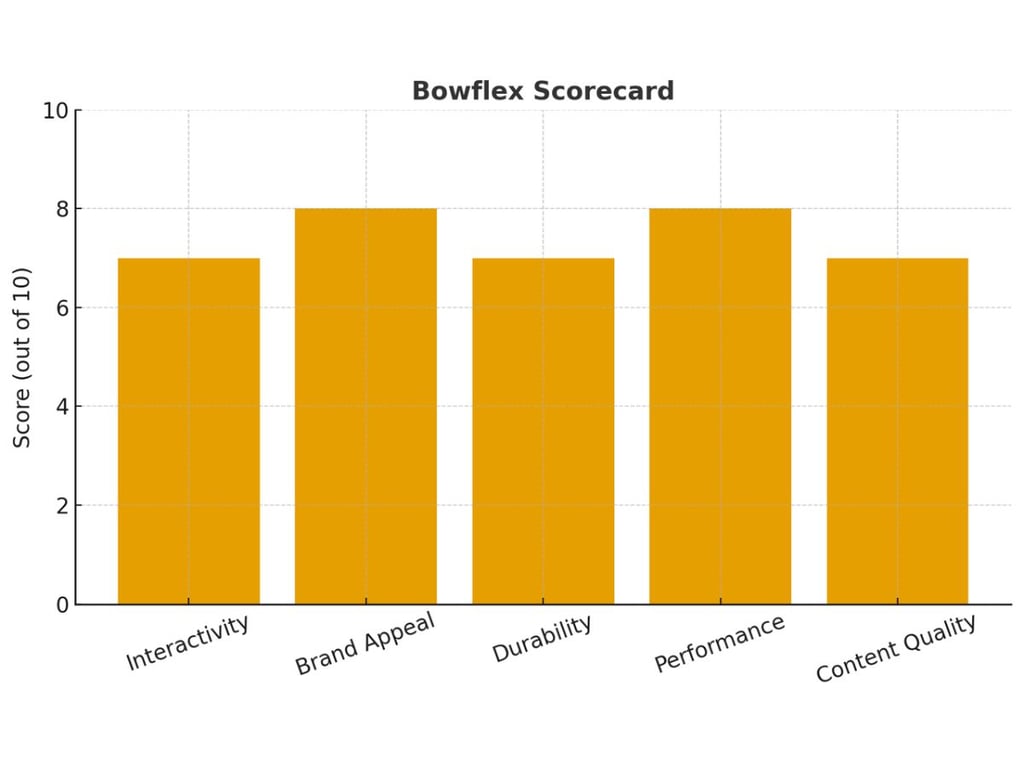
- Less Advanced Digital Integration: The app experience and virtual training features are limited compared to Peloton or Tonal, reducing interactivity.
- Mixed Long-Term Durability Feedback: Some users report wear issues after extended use, particularly on cables and moving components.
- Limited Heavy Strength Capabilities: The resistance systems may not challenge advanced lifters seeking heavier weight loads or higher intensity.
- Basic Aesthetics and Interface Design: While functional, Bowflex’s visuals and digital displays lack the sleek, modern appeal of more tech-focused competitors.
Why Gym Owners and Users Like Bowflex
Bowflex earns praise for being practical, flexible, and easy to integrate into any gym business setup. Users enjoy its versatility, whether they’re lifting, cycling, or doing full-body workouts, without needing multiple machines. Gym owners value its compact design, and reliability for light settings. For businesses that prioritize cost efficiency and all-around functionality, Bowflex is a dependable, smart investment.
5. Factors to Consider When Choosing a Tonal Alternative
Choosing the right Tonal alternative isn’t just about price or appearance—it’s about how well the equipment aligns with your goals, space, and long-term value. Before you decide, it’s worth weighing these key factors that can make or break your investment.
Training Goals and User Needs
Start by identifying who will use the equipment and what type of workouts it should support. If your focus is on strength development, prioritize machines with higher resistance and customizable weight settings. For group motivation or cardio integration, interactive systems like Peloton might be ideal. Aligning your selection with clear training goals ensures both consistent performance and better user satisfaction.
Space and Installation Requirements
Tonal’s wall-mounted design works well for small areas, but not all alternatives fit the same way. Some machines require floor space or ceiling clearance, which could impact your layout or overall flow. Always measure your available area before choosing a setup to avoid costly adjustments later. Compact, foldable, or modular designs can be ideal for maximizing functionality in limited spaces.
Budget and Long-Term Costs
The sticker price is just one part of the total investment—factor in subscriptions, maintenance, and potential part replacements. Brands like Bowflex often offer lower upfront costs, while Peloton adds ongoing monthly fees for premium access. Look for warranties, service coverage, and user feedback on durability to gauge true value over time. A balanced budget plan ensures you get the most return without compromising on quality.
Technology and Support Ecosystem
Modern fitness equipment increasingly relies on apps, smart screens, and connected features. Evaluate how intuitive the interface is, whether updates are regular, and how responsive customer support tends to be. Peloton, for example, excels in ongoing software improvements and community engagement. A strong tech ecosystem can enhance user experience, minimize downtime, and future-proof your investment.
6. Why Not Import from a Chinese Supplier
When I first helped gym owners source equipment, I saw a clear pattern. Many were pulled in by low prices from unknown overseas suppliers. The deals looked unbeatable on paper. But once the machines arrived, issues followed: assembly problems, missing parts, and no after-sales support.
Even today, some fitness businesses still take that chance. Without verified inspections or local service, one shipment failure can wipe out months of profit. That’s why choosing a proven supplier matters more than chasing the cheapest quote.
That’s where YR Fitness stands apart. With decades of manufacturing experience and a worldwide client base, including the U.S. Army, Olympic teams, and thousands of commercial gyms, YR Fitness has proven it can deliver consistent quality and dependable supply at scale. Here’s what sets them apart:
- Professional Design: YR Fitness develops equipment with training-friendly mechanics and consistent specifications for commercial gyms. This keeps strength machines, cardio equipment, and accessories aligned across the whole lineup.
- Stable Manufacturing Quality: Equipment is built for high-traffic use with durable structures and controlled production output. This helps lower wear issues and supports reliable performance over time.
- One-Stop Gym Equipment Supply: Strength machines, cardio equipment, and accessories come from one source rather than multiple vendors. This streamlines buying and supports cleaner project coordination.
- Strong Export Record: YR Fitness exports to over 100 countries and regions for international buyers. This supports cross-border distribution and repeat orders for dealers and distributors.
If high-profile names like Tonal don’t make sense for your goals or spending, avoid suppliers that disappear after delivery. YR Fitness provides trusted equipment quality, fair manufacturer rates, and ongoing service support that strengthens your business over time.
Recommended Reading:
Want to learn more about reliable gym equipment suppliers? Explore this detailed guide for deeper insights:
Conclusion
Choosing a Tonal alternative isn’t just about replacing one brand with another—it’s about finding equipment that fits your real training style, space, and budget.
Both Peloton and Bowflex bring something unique to the table. Peloton thrives on motivation, interactivity, and community-driven workouts, while Bowflex stands out for its versatility and space efficiency. The right decision depends on how you train, who will use the machine, and how you plan to grow in the long run.
In the end, the smartest investment is the one that delivers consistent performance, durability, and satisfaction every day, helping you and your members stay focused on what really matters: results.
Related articles: