



When I first installed Gym 80 machines in a client’s gym, everything felt solid and precise. The clients were happy, and the trainers loved how the equipment performed. A year later, another gym I worked with decided to go with Hammer Strength instead, and that’s when the real comparison began.
It didn’t take long to see that both brands had strong points, but they delivered performance in very different ways.
You can trust this review because I’ve worked directly with both brands, from setup and calibration to long-term maintenance. I’ve seen how they handle real gym use, not just showroom demos.
In this article, you’ll see a side-by-side comparison of Gym 80 and Hammer Strength covering build quality, biomechanics, comfort, and business value. By the end, you’ll have the clarity to choose which one truly fits your gym.
Both names carry weight in the fitness industry, but one may serve your goals better.
So, let’s get started!
- Quick Comparison Chart
- 1. Overview of Gym 80
- 2. Overview of Hammer Strength
- 3. Frame Material and Construction
- 4. Biomechanics and Movement Design
- 5. Customization Options
- 6. Service and Support Network
- 7. Price and Investment Value
- 8. Space Efficiency and Layout
- 9. 3 Factors To Consider When Choosing Between Gym 80 and Hammer Strength
- 10. Why Not Import From a Chinese Supplier?
- Conclusion
Quick Comparison Chart
Before we get into the details, here’s a quick look at how both brands compare side by side. This summary gives you a clear picture before diving deeper into each factor.
Category | Gym 80 | Hammer Strength |
Best For | Premium gyms that value precision, longevity, and comfort. | High-traffic, strength-focused gyms needing reliable performance. |
Frame Material | Thick-gauge German steel, heavy and stable for long-term durability. | Reinforced steel tubing, strong yet slightly lighter for dynamic use. |
Finish & Corrosion Resistance | Multi-layer industrial-grade powder coating for rust and sweat protection. | Electrostatic paint finish, smooth and easy to clean but less durable in humid areas. |
Biomechanics & Motion | Smooth, joint-friendly movement following natural muscle paths. | Designed to mimic free weights with powerful, performance-driven motion. |
Ergonomics & Adjustability | Multiple adjustment points for different body types. | Fixed movement paths focused on strength and consistency. |
Customization | Offers wide color and configuration choices to match branding. | Provides standard options for faster setup and franchise consistency. |
Service & Support | Direct European service with fast personalized response. | Backed by Life Fitness’ global network for wide service coverage. |
Price & Investment Value | Higher upfront cost but lower maintenance and longer lifespan. | More affordable, scalable, and holds strong resale value. |
Space & Layout | Slightly bulkier with modular flexibility for zone design. | Compact footprint ideal for multi-zone or smaller facilities. |
Keep these differences in mind as we move forward and examine each factor that truly separates these two brands.
1. Overview of Gym 80
If you’ve ever come across Gym 80 equipment, you probably noticed how solid it feels the moment you touch it. This German brand is known for heavy-duty construction and precise movement mechanics. Every machine is built with thick steel and clean welds that can handle years of commercial use without shaking or bending. It’s the kind of equipment that feels engineered for serious gyms that value long-term reliability.
2. Overview of Hammer Strength
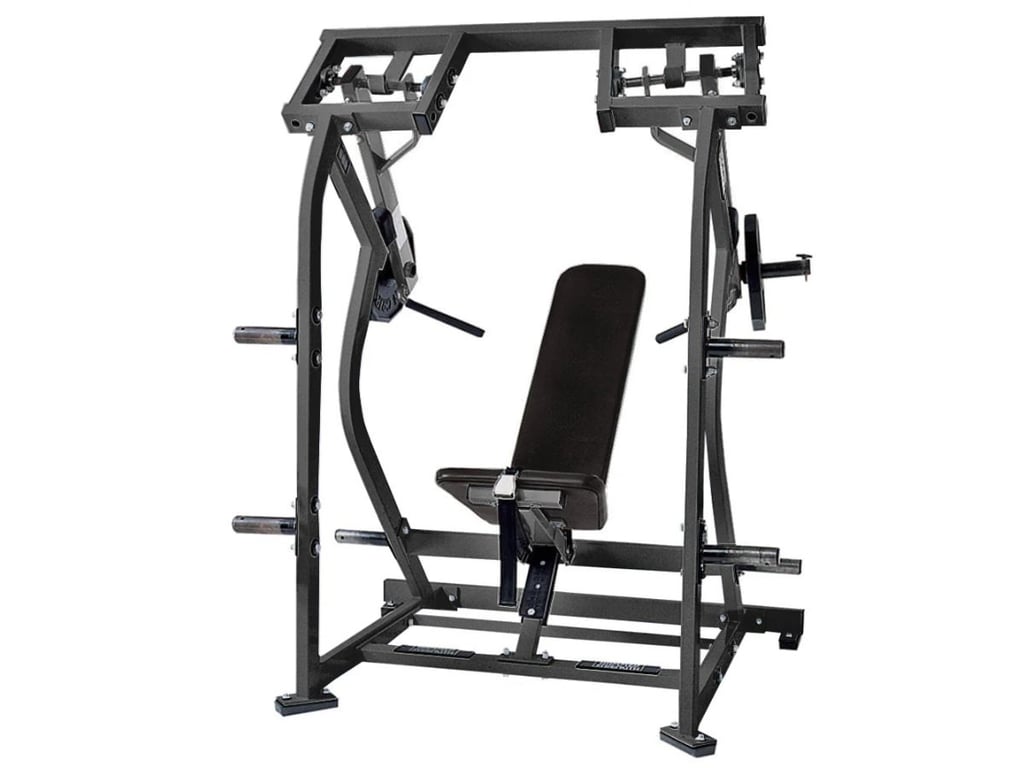
Hammer Strength has built its name on performance and power. If your gym focuses on strength training, you’ve probably seen how its machines feel close to free-weight movement. The plate-loaded design gives your members that natural lifting motion while keeping it controlled and safe. Many commercial gyms trust Hammer Strength because it’s made to handle constant, heavy use without losing smoothness.
3. Frame Material and Construction
When you’re investing in commercial gym equipment, the frame is what determines how long your machines last. Both Gym 80 and Hammer Strength build their equipment to take constant use, but they approach construction differently. Understanding those differences helps you choose which one better fits your facility’s training volume and maintenance expectations.
Build Quality and Durability
- Gym 80: Built with thick-gauge German steel and precision welds, the frame feels extremely solid under load. You’ll notice it doesn’t flex or move even when members train at maximum intensity.
- Hammer Strength: Uses heavy-duty steel tubing reinforced at key stress points for consistent performance. The design handles explosive movements well, making it reliable for strength-focused gyms.
Finish and Corrosion Resistance
- Gym 80: Coated with multiple layers of industrial-grade powder to resist rust, sweat, and cleaning chemicals. This makes it ideal if your gym operates long hours or in humid environments.
- Hammer Strength: Finished with electrostatic paint that provides a smooth, professional look and easy cleaning. It stays durable under regular use but can show wear faster in very high-traffic areas.
Takeaway
Gym 80 offers heavier, more stable frames built for long-term durability, while Hammer Strength focuses on balanced strength and versatility. Your choice depends on whether your gym prioritizes extreme stability or flexible performance under heavy use.
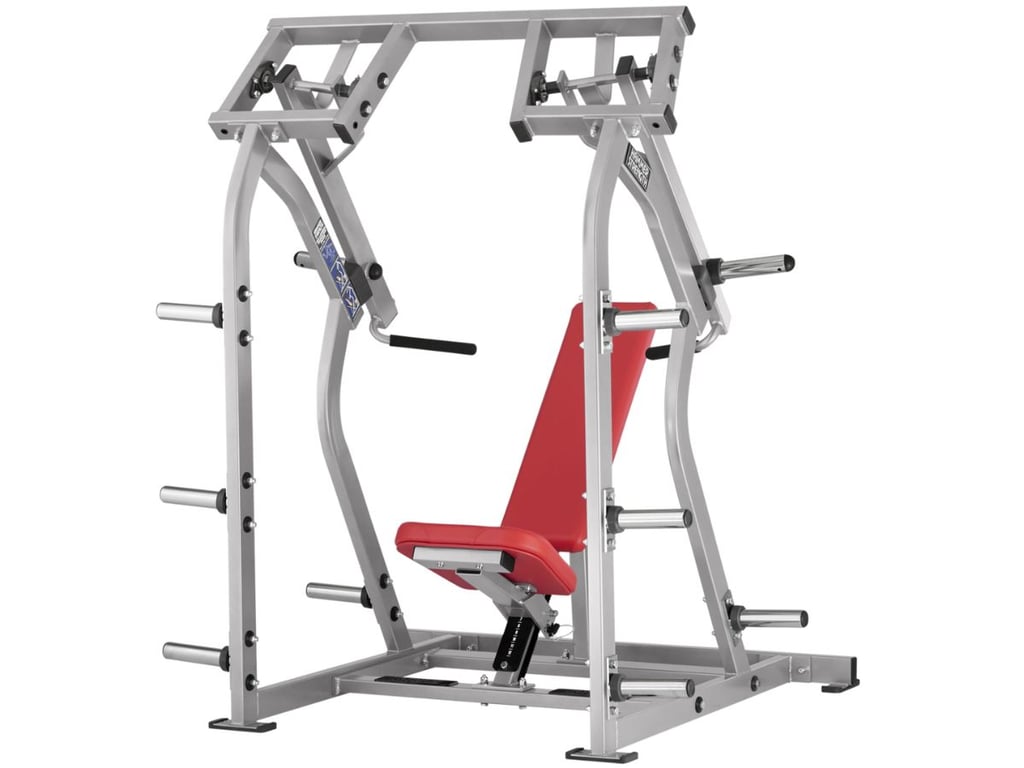
4. Biomechanics and Movement Design
Biomechanics play a major role in how your members experience each workout. Both Gym 80 and Hammer Strength design their machines with natural movement patterns in mind, but they achieve this in different ways. Knowing how each brand approaches biomechanics helps you decide which delivers the right feel and safety for your clients.
Movement Precision and Feel
- Gym 80: Every machine is engineered for smooth, joint-friendly motion that follows natural muscle paths. You’ll notice less resistance “dead zones,” giving users a consistent feel through every rep.
- Hammer Strength: Designed to mimic the feel of free weights, offering a more dynamic and athletic motion. This makes it ideal if your gym caters to athletes or powerlifters who prefer performance-driven training.
User Ergonomics and Adjustability
- Gym 80: Prioritizes comfort and body alignment with multiple adjustment points that suit different body types. This is valuable if you want equipment that supports a wide range of members without frequent readjustment.
- Hammer Strength: Focuses on fixed movement paths that emphasize strength and stability over flexibility. It’s a better fit for gyms where users follow structured training programs with consistent form.
Takeaway
Gym 80 delivers smoother and more adjustable movement for comfort-focused training, while Hammer Strength offers athletic, free-weight-style motion. Your decision depends on whether your gym prioritizes member comfort or sports performance.
5. Customization Options
Customization affects both the look and usability of your gym equipment. Gym 80 and Hammer Strength offer flexibility, but the depth of their customization options differs significantly. Understanding how each brand supports branding, color, and configuration can help you align equipment with your facility’s image and layout.
Design and Branding Flexibility
- Gym 80: Offers extensive frame and upholstery color options, letting you match your gym’s branding or theme. This is great if you want your facility to stand out with a cohesive, professional appearance.
- Hammer Strength: Provides standard color selections and logo placements that suit most commercial setups. It’s reliable but less customizable if your business prefers a highly branded, unique look.
Configuration and Equipment Range
- Gym 80: Allows deep customization in machine configuration, from grip angles to resistance types. If your gym focuses on specialized programs, this flexibility helps tailor machines to exact training needs.
- Hammer Strength: Delivers a broad, ready-made lineup of plate-loaded and selectorized machines. It’s convenient if you want fast installation and a consistent setup across multiple locations.
Takeaway
Gym 80 gives you greater control over design and function, ideal for gyms that want a customized feel. Hammer Strength focuses on standardized setups that simplify ordering and maintenance across chains or franchises.
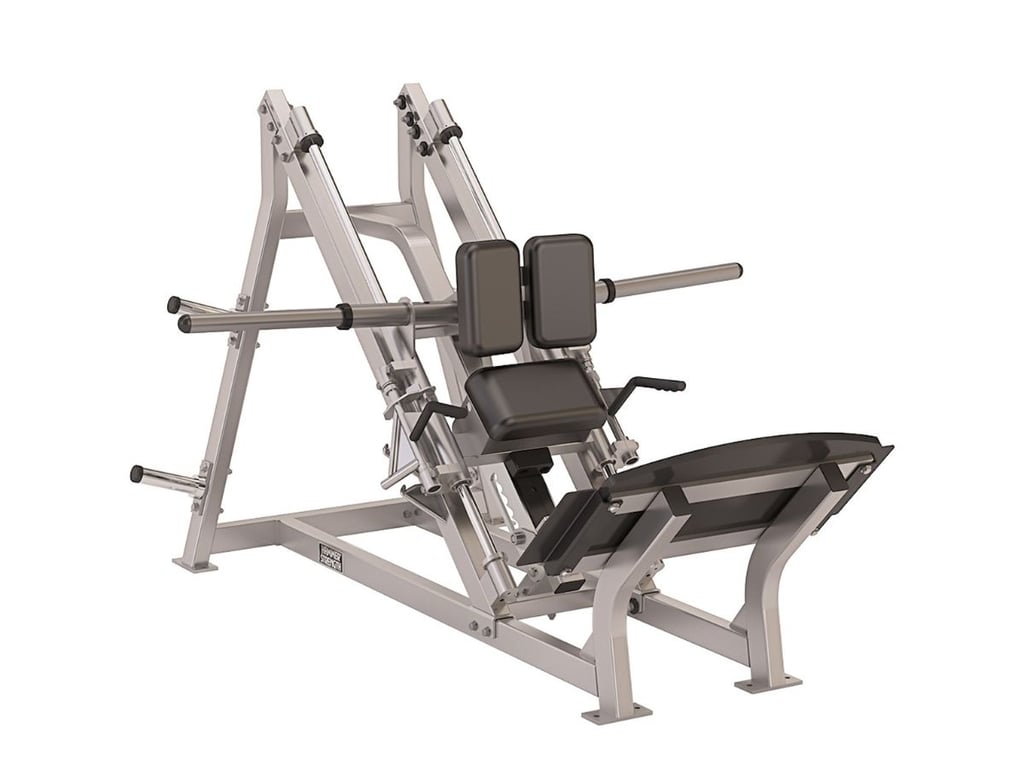
6. Service and Support Network
After-sales service is just as important as equipment quality, especially for commercial gyms that can’t afford downtime. Both Gym 80 and Hammer Strength provide professional support, but their networks and response systems work differently. Understanding these differences helps you plan maintenance more effectively and reduce long-term repair delays.
Availability and Response Time
- Gym 80: Offers dedicated customer service through its European support team, known for quick, personalized responses. If your gym operates within Europe or nearby regions, you’ll find their technical support fast and well-coordinated.
- Hammer Strength: Backed by Life Fitness’ global service network, giving you access to technicians and spare parts in most regions. This wide coverage benefits gyms with multiple branches or international locations.
Parts and Maintenance Support
- Gym 80: Keeps an in-house parts inventory that ensures original replacements for older models remain available. You’ll appreciate this if you run a facility that values equipment longevity and consistent quality control.
- Hammer Strength: Uses a structured supply chain that makes parts ordering easy through authorized distributors. It’s reliable but can sometimes involve longer lead times depending on your location.
Takeaway
Gym 80 provides more personal, localized service ideal for regional gyms, while Hammer Strength benefits from Life Fitness’ global network. Your best choice depends on whether your operation values direct communication or international coverage.

7. Price and Investment Value
Cost plays a big role in deciding which brand fits your gym’s growth plan. Gym 80 and Hammer Strength both fall under the premium category, but their pricing reflects different priorities. Comparing them helps you balance upfront cost against long-term value.
Initial Cost and Budget Fit
- Gym 80: Generally priced higher because of its European manufacturing and heavy-duty construction. If you value long-term reliability and minimal maintenance, the higher cost pays off over time.
- Hammer Strength: Offers competitive pricing that suits larger orders or multi-site installations. It’s a good option if you want quality equipment while keeping the initial investment manageable.
Long-Term ROI
- Gym 80: Built for long-term performance with minimal breakdowns, which reduces service costs. You’ll likely replace fewer machines over time, improving your total return on investment.
- Hammer Strength: Maintains strong resale value thanks to its brand reputation and global recognition. This makes it easier to upgrade or resell equipment when refreshing your facility.
Takeaway
Gym 80 suits gyms focused on long-term durability, lower maintenance costs, and slower equipment depreciation. Hammer Strength, on the other hand, offers better scalability and stronger resale value. Choose based on whether your goal is long-term asset stability or operational flexibility.

8. Space Efficiency and Layout
Space planning affects how many members you can serve and how smooth traffic flow feels in your gym. Both brands design their machines efficiently, but their layouts cater to different types of facilities. Knowing their space requirements helps you plan a more functional gym floor.
Footprint and Machine Design
- Gym 80: Machines tend to be slightly bulkier due to thicker frames and wider bases for added stability. This is a solid choice if you prioritize performance over compact spacing in your gym layout.
- Hammer Strength: Uses a more compact frame design that allows better space utilization without losing functionality. It’s ideal if your facility has limited floor space or multiple equipment zones.
Installation and Layout Planning
- Gym 80: Offers modular systems that can be arranged to create efficient training zones. You can customize layouts to suit member flow and training styles, giving your gym a structured yet flexible setup.
- Hammer Strength: Provides pre-configured layouts commonly used by large commercial gyms and franchises. It simplifies setup for new facilities and keeps spacing uniform across all branches.
Takeaway
Gym 80 works best for gyms that value heavy, stable setups with modular flexibility, while Hammer Strength excels in maximizing limited space. Your decision depends on whether your layout focuses on strength performance or floor efficiency.
9. 3 Factors To Consider When Choosing Between Gym 80 and Hammer Strength
Choosing between Gym 80 and Hammer Strength depends on how your gym operates and what kind of experience you want to deliver. Both brands are built for commercial performance, but each serves a different business need. Before you invest, it’s worth looking at how these key factors align with your goals and daily operations.
#1 Type of Training Environment
Your gym’s environment defines how equipment performs over time. Gym 80 fits best if your business focuses on structured strength training, personal coaching, or mixed workout programs. Its biomechanics support controlled, smooth movement that works for all fitness levels. The solid frame and steady resistance make Gym 80 the right fit for gyms that value precision and all-around usability.
#2 Member Experience and Retention
The way your members feel during each workout affects their loyalty and satisfaction. Hammer Strength machines create a natural, powerful lifting experience that serious lifters and athletes appreciate. The plate-loaded motion keeps users engaged while maintaining a sense of freedom in movement. If your gym focuses on strength training, Hammer Strength will help you build stronger member retention.
#3 Maintenance and Operational Demands
Downtime can slow your business and frustrate members. Gym 80’s heavy-duty frame and quality components require less frequent maintenance, saving your team both time and effort. Replacement parts are easy to source directly from the manufacturer, and the build is designed to withstand years of commercial use. For gyms that want long-term reliability with best service offerings, Gym 80 is the more dependable investment.
10. Why Not Import From a Chinese Supplier?
After comparing Gym 80 and Hammer Strength, I realized that choosing between them isn’t always simple. Both brands deliver exceptional performance, but each comes with limitations. Gym 80 can be expensive to import, while Hammer Strength sometimes lacks flexibility in customization and delivery options.
That’s when I decided to look beyond the usual options and explore what manufacturers in other countries had to offer. Over time, it became clear that China has become a serious contender in the global commercial gym equipment market, with several manufacturers offering premium-quality gear at more accessible price points.
One brand that consistently stands out is YR Fitness. Established in 1997 in Fuyang City, Anhui, YR Fitness has built a reputation for engineering-driven design, high durability, and dependable OEM support. They export to over 100 countries and support gyms, fitness chains, and distributors looking to scale smartly.
Here’s where YR Fitness makes the difference:
- Independent Design and Engineering: Every machine is designed in-house based on real biomechanics research. YR Fitness doesn’t rebrand generic machines. They engineer their own using thick-gauge steel, reinforced frames, and smooth mechanical motion tailored for high-volume commercial use.
- Full Commercial Equipment Lineup: Whether you’re opening a training studio or building a full-service gym, YR Fitness supplies selectorized machines, plate-loaded units, benches, racks, cardio machines, and even flooring. You get everything from one supplier with cohesive design and build standards.
- Custom Branding (OEM/ODM Services): Want your own logo or custom frame colors? YR Fitness supports private label production, helping distributors and gym owners develop their own equipment lines. This is ideal for brand identity and local differentiation.
- Global Warranty and Support Network: With lifetime frame warranties, ISO and CE certifications, and dedicated international service reps, YR Fitness gives you peace of mind for global installations. Their experience with logistics, documentation, and after-sales makes importing less stressful.
If you’re weighing premium brands like Gym 80 or Hammer Strength but want more flexibility, control, and value, YR Fitness is worth your attention. Their gear holds up under pressure, looks professional, and gives you the tools to grow your gym or distribution business without overpaying.
Conclusion
Choosing between Gym 80 and Hammer Strength depends on your gym’s long-term direction. Gym 80 stands out for durability and smooth precision, while Hammer Strength delivers dynamic strength training for serious lifters.
Think about how your members train and what kind of performance you expect from your equipment. Compare warranties, maintenance needs, and supplier reliability before making your choice.
Because a well-informed decision today will help your gym stay efficient, competitive, and profitable for years to come!
Related articles: