




A few months ago, one of our clients told me that his senior members were avoiding most of the machines in his gym. They said the equipment felt unsafe or too hard to use.
That situation is common, and it shows why senior fitness centers need the right tools. If the equipment is difficult or risky, members won’t use it.
As a manufacturer and supplier, YR Fitness helps gyms solve these challenges every day. We see what works, and we help owners like you set up spaces where older adults feel safe and confident.
This review covers the 10 best gym equipment for senior fitness centers. You’ll see options that support balance, strength, and mobility, all while keeping comfort in mind.
Your members deserve equipment they can trust, and your business deserves tools that last.
Let’s dive in!
- Quick Comparison Chart
- 1. Recumbent Bikes
- 2. Elliptical Trainers (Low-Impact Models)
- 3. Rowing Machines
- 4. Seated Step Machines
- 5. Resistance Band Stations
- 6. Cable Machines with Adjustable Pulleys
- 7. Leg Press Machines (Horizontal or 45-degree)
- 8. Balance Trainers
- 9. Stretching Machines
- 10. Light Dumbbells / Kettlebells
- Key Considerations Before Choosing Senior Gym Equipment
- Conclusion
Quick Comparison Chart
Choosing equipment for a senior fitness center is easier when you can see the options side by side. This chart highlights the key benefits of each piece and who it serves best. It’s a simple guide to help you decide what fits your gym and your members.
Equipment | Best For | Key Benefits | Ease of Use | Safety Features |
Recumbent Bikes | Low-impact cardio | Back support, joint-friendly | Very easy | Reclined seat, stable pedals |
Elliptical Trainers (Low-Impact) | Full-body cardio | Smooth motion, arm handles | Easy | Low strain on joints |
Rowing Machines (Air/Magnetic) | Strength & cardio mix | Works upper/lower body | Moderate | Adjustable resistance |
Seated Step Machines (NuStep) | Mobility & rehab | Natural stepping motion | Very easy | Seated position |
Resistance Band Stations | Strength training | Light resistance, flexible use | Very easy | No heavy weights |
Cable Machines w/ Pulleys | Controlled strength moves | Multiple exercises, adjustable | Moderate | Smooth pulley system |
Leg Press Machines | Lower body strength | Builds quads, glutes | Easy | Adjustable resistance |
Balance Trainers (BOSU, Platforms) | Stability & coordination | Fall prevention, core work | Moderate | Soft or supported surfaces |
Stretching Machines | Flexibility & mobility | Assisted range of motion | Easy | Controlled stretching angles |
Light Dumbbells/Kettlebells | General strength | Simple, versatile | Easy | Ergonomic grips |
This chart gives you a quick look at what each machine brings to the table. Read on below for the full breakdown of each equipment and see how each one can fit into your space.
1. Recumbent Bikes
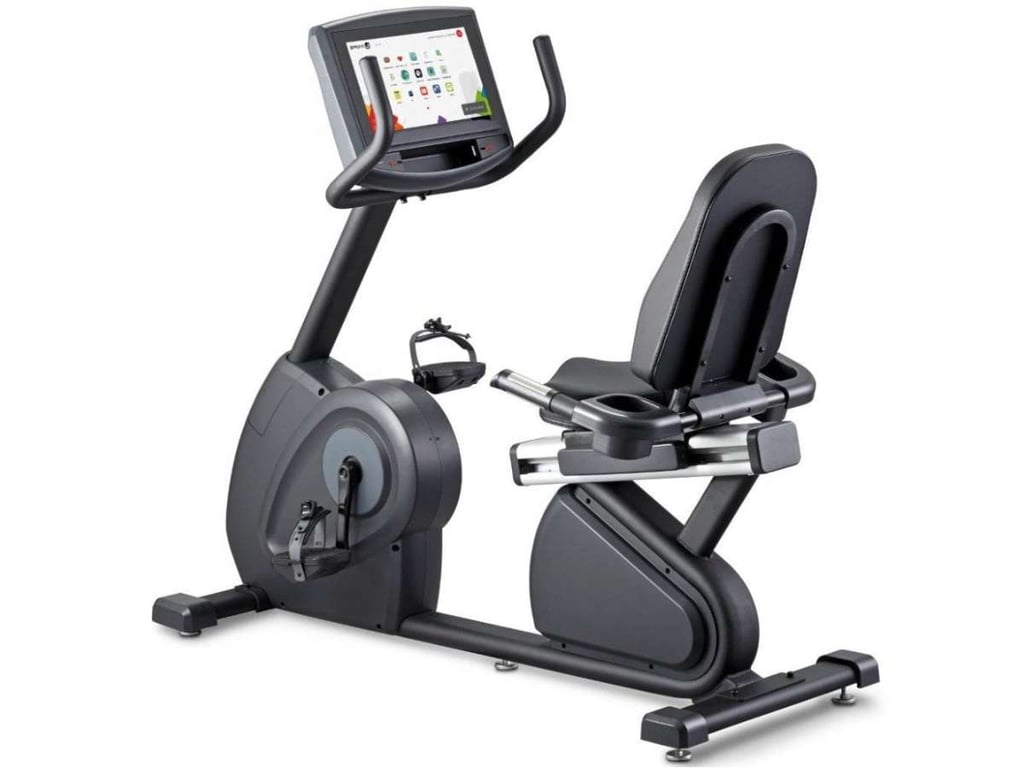
Recumbent bikes are one of the most reliable pieces of equipment for senior fitness centers. They provide a safe way to keep members active without straining joints. Many gym owners find them to be a first choice for older adults.
How It Supports Senior Members
- Joint-Friendly Exercise: Recumbent bikes put less stress on the knees and hips compared to upright bikes. This allows older adults to keep moving even if they have arthritis or past injuries.
- Back Support and Comfort: The reclined seat offers lumbar support, which is a relief for members with lower back pain. Comfortable seating means seniors can stay active longer without discomfort.
- Steady Cardio Option: Many seniors struggle with balance on upright bikes. Recumbent bikes provide a stable and secure position, giving them confidence to complete a workout safely.
Features
- Reclined Seating Position: The seat is designed for comfort and helps keep posture in check. Seniors don’t feel pressure on their back, making it easier to commit to longer sessions.
- Adjustable Resistance Levels: Owners can offer workouts that range from light warmups to moderate cardio. This flexibility is useful for centers with members of different fitness levels.
- Wide Pedals with Straps: The pedals are built for stability. Straps keep the feet in place, preventing slips or unnecessary strain.
- Easy-to-Read Console: Simple displays help seniors track time, distance, and speed. Large buttons and screens make the bike user-friendly, even for those unfamiliar with fitness tech.
Practical Considerations
- Space Requirements: Recumbent bikes take up more floor space than upright bikes. Plan placement carefully, especially if your center has limited room.
- Durability and Maintenance: These machines are generally low-maintenance. Still, routine checks on the seat adjustments and pedal straps keep them in good condition.
- Cost vs. Value: Prices vary, but investing in a few high-quality bikes often pays off. They last for years and remain a favorite for senior members.
- Accessibility for All Members: Recumbent bikes have a low step-through frame. That makes it easier for members with limited mobility to get on and off safely.
Training & Use Cases
- Warm-Ups Before Classes: Trainers can encourage members to use recumbent bikes for 5–10 minutes before group workouts. It gently warms muscles and prepares the body.
- Rehab and Recovery Programs: These bikes are often recommended for seniors returning after surgery or injury. Light cycling helps rebuild strength without overloading joints.
- Daily Cardio Routines: Encourage members to use the bike several times a week for steady cardio. Even 20–30 minutes can support heart health and overall stamina.
Recumbent bikes give your members comfort, safety, and an easy way to stay active. They’re one of the most practical pieces of equipment you can invest in for a senior fitness center.
2. Elliptical Trainers (Low-Impact Models)
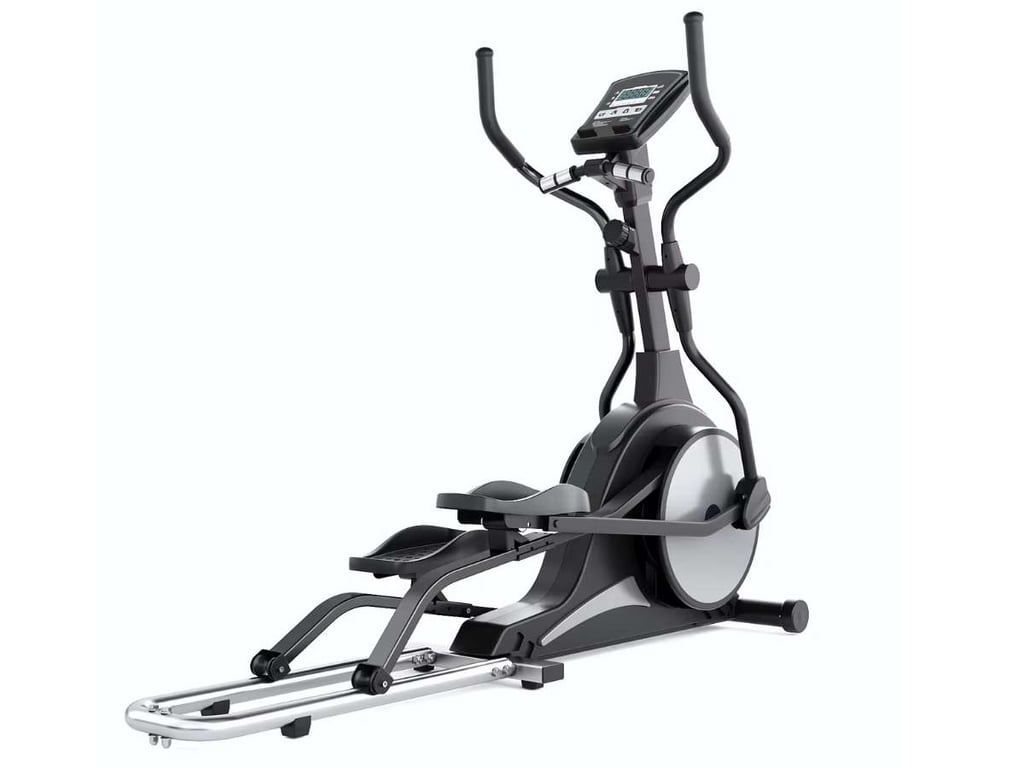
Elliptical trainers are popular because they provide a smooth, natural motion that feels like walking. For seniors, low-impact models are especially helpful because they reduce stress on the joints. They also give members the chance to engage both the upper and lower body at the same time.
How It Supports Senior Members
- Joint Protection: The gliding movement limits pounding on the knees, hips, and ankles. This makes it easier for seniors to stay active even with joint pain.
- Full-Body Engagement: Handles let members use both arms and legs in one workout. This supports balanced strength and coordination while keeping the workout gentle.
- Safe Alternative to Walking Outside: Seniors who can’t always walk outdoors due to weather or uneven ground can still enjoy a walking-like workout indoors. The elliptical gives them a safe and reliable option.
Features
- Low-Impact Motion: Smooth foot pedals allow a continuous stride without sharp impact. This reduces stress on joints and keeps workouts comfortable.
- Arm Handles for Support: Handles move with the stride, offering stability and upper-body exercise. Seniors can also grip stationary bars for balance if needed.
- Variable Resistance and Incline: Owners can adjust the workout intensity with resistance levels. Some models also have incline options, though flat movement is usually best for seniors.
Practical Considerations
- Space Needs: Elliptical trainers take up more room than bikes. Make sure to plan spacing so members can get on and off safely.
- Maintenance and Durability: Moving parts like pedals and handles require regular checks. Well-built models tend to last, but upkeep is key.
- Learning Curve: Some seniors may need time to get comfortable with the motion. Staff support during the first use is important.
- Cost Factor: Ellipticals are often priced higher than bikes. Still, they add variety and appeal, especially for members who want more than seated cardio.
Training & Use Cases
- Gentle Cardio Workouts: Ellipticals provide an easy way to keep the heart rate up without strain. They can be used for short or longer sessions.
- Strength Through Resistance: Resistance settings help build leg and arm strength. Trainers can guide seniors to adjust levels gradually.
- Balance Practice: Holding the handles while striding builds stability and coordination. This reduces fall risk in daily life.
Elliptical trainers give seniors a safe and flexible way to stay active. They combine cardio, strength, and balance in one machine, making them a strong addition to any senior fitness center.
3. Rowing Machines
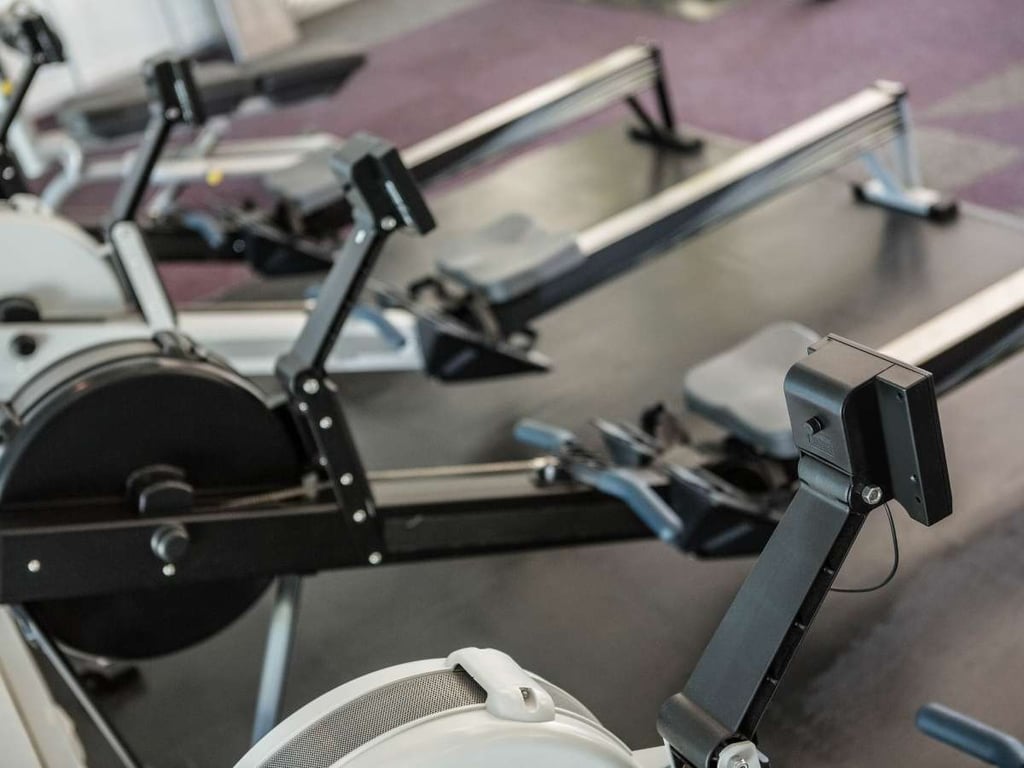
Rowing machines are a solid choice for seniors who want both strength and cardio in one workout. They use a natural pulling motion that feels smooth and controlled. Many gym owners add them because they’re versatile and effective without being too high-impact.
How It Supports Senior Members
- Low-Impact Full-Body Exercise: Rowing works the legs, core, and arms at the same time. The motion is fluid, which helps seniors build strength and stamina without straining their joints.
- Improved Posture and Back Health: The pulling motion engages the back muscles and core. For seniors, this helps with posture, balance, and reducing back discomfort over time.
- Cardio and Strength Together: Unlike some equipment that focuses on just one area, rowers combine cardiovascular training with muscle work. Seniors get a complete workout in a shorter session.
Features
- Air or Magnetic Resistance Options: Air resistance adjusts naturally with effort, while magnetic resistance offers smooth and consistent tension. Both allow seniors to progress at their own pace.
- Sliding Seat with Foot Straps: Seats glide easily and foot straps hold the feet securely. This makes the machine stable and safe during use.
- Adjustable Resistance Levels: Settings can be kept light for beginners or increased gradually for stronger members. This flexibility supports different fitness levels.
- Compact Design: Many rowing machines are foldable or take up less space than other cardio machines, making them practical for smaller fitness centers.
Practical Considerations
- Learning Curve for Technique: Proper rowing form matters. Seniors may need staff guidance to avoid straining their back or shoulders.
- Noise Level: Air rowers can be louder than magnetic ones. Consider placement if your center values a quieter environment.
- Durability and Upkeep: Machines with fewer electronics often last longer. Still, keeping the track and seat clean will reduce wear.
- Member Variety: Rowers might not suit every senior. Some prefer seated bikes or steppers, but rowers add good variety for active members.
Training & Use Cases
- Short Cardio Bursts: Rowing can be used for 5–10 minute sessions to build heart health without overexertion.
- Strength and Endurance Programs: Trainers can set up routines that mix light resistance with longer rowing sessions for a balanced workout.
- Core and Back Focus: Rowing is excellent for strengthening posture muscles. This is especially valuable for seniors working to reduce slouching or back weakness.
- Rehab-Friendly Adaptations: With guidance, light rowing can support recovery after minor injuries. It’s a safe way to rebuild muscle gradually.
Rowing machines give seniors a way to strengthen muscles and improve endurance at the same time. They add variety to your center while supporting safe, low-impact training.
4. Seated Step Machines
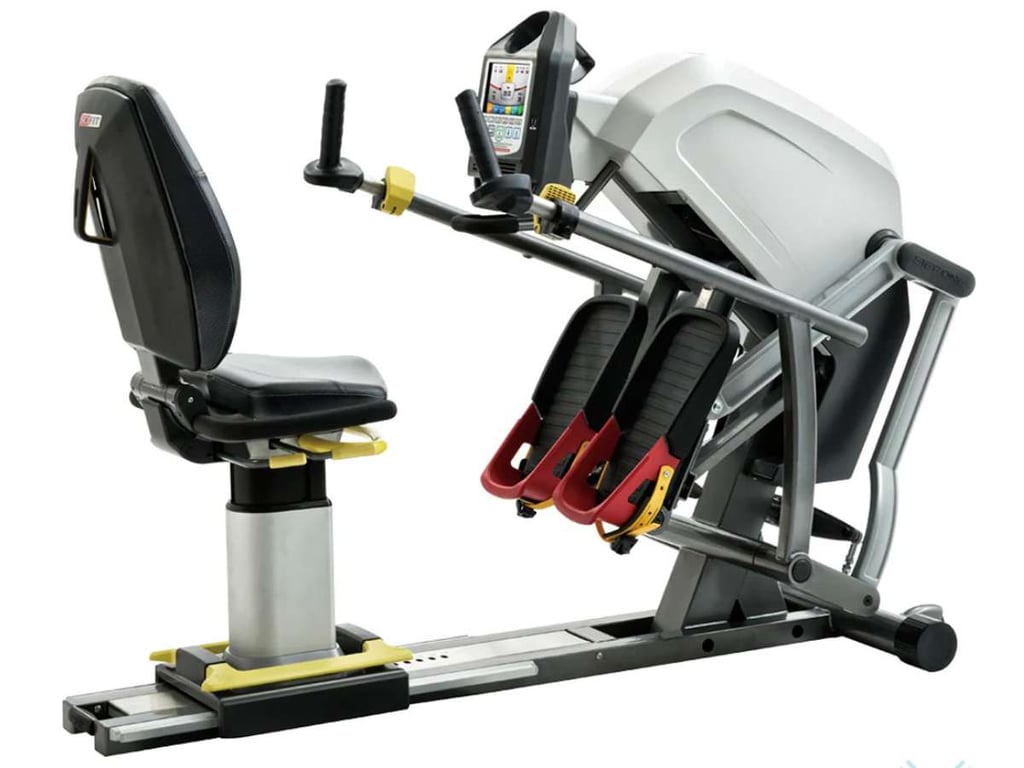
Seated step machines are designed with older adults in mind. They allow members to exercise in a natural stepping motion while staying seated and secure. For many gyms, these machines become the most used equipment in senior fitness areas.
How It Supports Senior Members
- Safe and Comfortable Movement: The seated position keeps seniors stable during the workout. They can focus on movement without worrying about balance or falling.
- Gentle Cardio Exercise: The stepping motion mimics walking but with less strain on the joints. This makes it suitable for seniors with arthritis, knee issues, or limited mobility.
- Accessible for a Wide Range of Abilities: Even those recovering from surgery or with serious mobility limits can use these machines. The low effort start helps members ease into exercise at their own pace.
Features
- Seated Step Design: Allows both legs to move in a stepping pattern while seated. It provides a workout that feels natural and familiar to seniors.
- Arm Handles for Upper Body Involvement: Moving handles let members add arm exercise along with leg movement. Stationary grips are also available for those who prefer extra support.
- Low Step-Through Frame: Seniors can get on and off easily without having to climb or lift their legs high. This makes the machine welcoming for those with limited range of motion.
- Adjustable Resistance Levels: Settings can be increased gradually to meet different fitness levels. Light resistance is ideal for beginners, while stronger seniors can handle more.
Practical Considerations
- High Popularity with Seniors: Expect these machines to be in demand. Some gyms choose to buy several units to meet member needs.
- Space Planning: Seated steppers are larger than bikes and require more floor space. Be sure to leave enough room for safe entry and exit.
- Durability and Upkeep: These machines are built for heavy use. Still, regular checks on pedals and resistance systems keep them in top shape.
- Investment Value: They cost more than basic cardio machines, but the return comes from frequent use and member satisfaction.
Training & Use Cases
- Rehab and Recovery: Seated step machines are often used in physical therapy. They support controlled movement, helping seniors regain strength after surgery or illness.
- Daily Cardio Routine: Members can use them for 15–30 minutes at a time, making it easy to fit into their schedule. The steady rhythm helps maintain cardiovascular health.
- Full-Body Workouts: With arm handles, the machine works both upper and lower body at once. This efficiency makes it useful for shorter sessions.
- Group Training Options: Trainers can create group classes where members use steppers together. This builds routine and encourages community engagement.
Seated step machines bring comfort, safety, and flexibility to senior fitness centers. They are one of the most accessible ways for older adults to stay active and consistent with their exercise.
5. Resistance Band Stations
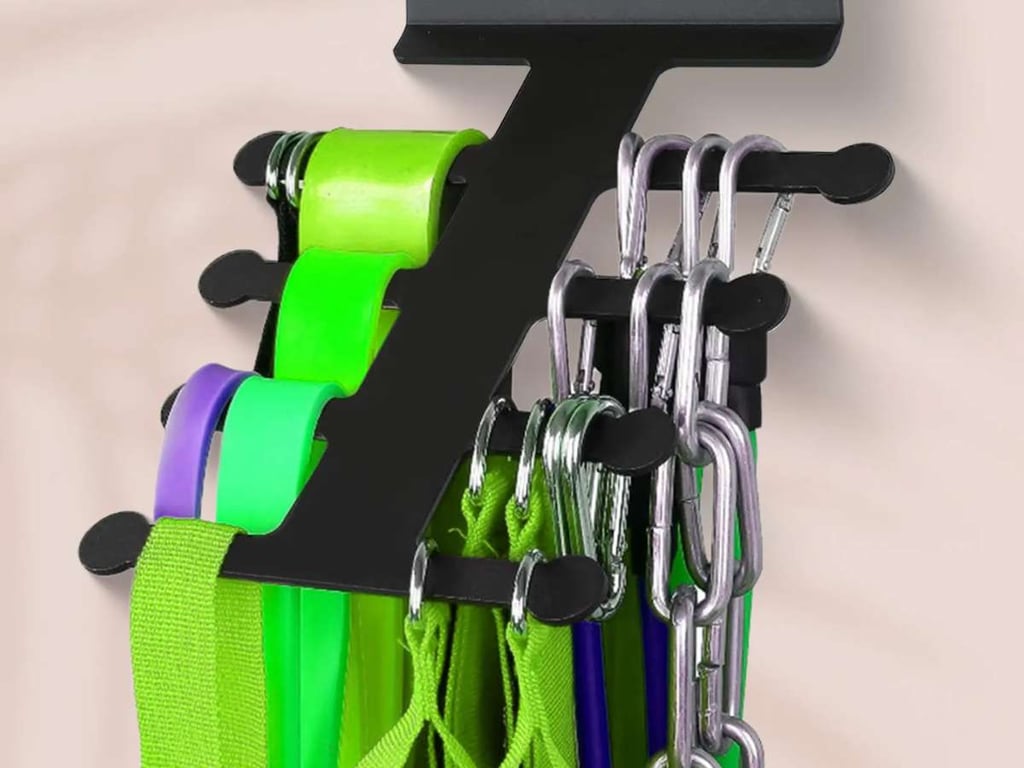
Resistance band stations are simple, affordable, and highly effective. They give seniors a safe way to build strength without heavy weights. Many gym owners use them because they take up little space and offer endless exercise options.
How It Supports Senior Members
- Gentle Strength Training: Bands provide resistance without the strain of traditional free weights. This makes them ideal for seniors with weak joints or limited mobility.
- Improved Flexibility and Range of Motion: Exercises with bands help stretch and strengthen muscles at the same time. Seniors benefit from better movement in their daily activities.
- Safe and Adaptable: Unlike heavy equipment, bands reduce the risk of injury if dropped. Members can start with light resistance and progress at their own pace.
Features
- Multiple Resistance Levels: Bands come in different tensions, from very light to heavy. This variety allows members at all fitness levels to participate.
- Compact Design: Band stations take up minimal space. They can be set up in corners or shared training areas without crowding the floor.
- Attachment Options: Bands can be connected to wall mounts, racks, or standalone frames. This provides stability and makes the setup safer for seniors.
- Handles and Grips: Comfortable grips make it easier for seniors to hold onto bands without slipping. This helps them feel secure during workouts.
Practical Considerations
- Low Cost Investment: Resistance bands are inexpensive compared to large machines. Stations are affordable too, making them budget-friendly for gyms.
- Durability Issues: Bands wear out over time and need replacing. Keeping extras on hand avoids interruptions for your members.
- Training Support Needed: Some seniors may not know how to use bands safely. Trainers should demonstrate exercises and check for proper form.
- Appeal to Group Classes: Band stations are excellent for group strength sessions. They create variety and encourage participation among members.
Training & Use Cases
- Strength and Mobility Workouts: Bands can target arms, legs, and core. This helps seniors maintain strength needed for daily activities.
- Rehabilitation Programs: Bands are gentle enough for post-surgery or injury recovery. They allow safe rebuilding of muscle without excess load.
- Warm-Ups and Cool-Downs: Light band exercises prepare muscles before heavier activity. They also help stretch and relax the body after workouts.
- Group Fitness Classes: Trainers often use band stations in circuit training. This keeps classes engaging and accessible for all ability levels.
Resistance band stations are cost-effective, safe, and versatile. They bring real value to senior fitness centers and help members stay strong without intimidation.
6. Cable Machines with Adjustable Pulleys
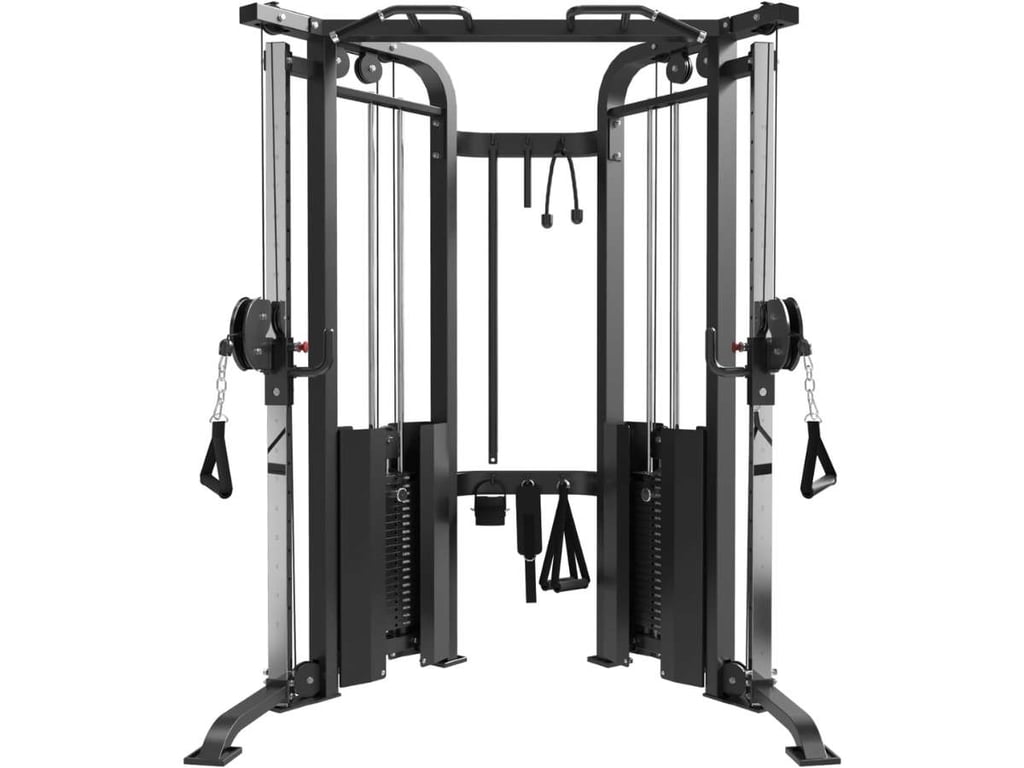
Cable machines are one of the most versatile and senior-friendly pieces of equipment in a fitness center. They allow smooth, controlled movements in multiple directions, making them ideal for older adults with different strength levels, mobility limits, or rehabilitation needs.
From our experience as a professional commercial gym equipment manufacturer, we see adjustable cable machines as a core solution for senior fitness centers that want safety, flexibility, and long-term value.
How It Supports Senior Members
- Controlled, Joint-Friendly Movements: Cable resistance stays smooth throughout the exercise path, helping seniors move safely without sudden loading. This supports steady, pain-free motion.
- Adaptable for Every Fitness Level: Resistance can start very light and increase gradually. This allows beginners to train confidently while still challenging stronger, more active seniors.
- Supports Everyday Functional Strength: Cable exercises closely resemble daily movements like pulling doors, lifting objects, or rotating the torso—key actions seniors rely on in daily life.
Key Features to Look For
- Fully Adjustable Pulley Positions: Pulleys that move vertically and horizontally allow exercises to be customized to each user’s height, range of motion, and physical condition.
- Smooth Resistance System: High-quality pulleys and cables ensure consistent resistance, which is especially important for seniors who need slow, controlled training.
- Compact, Multi-Use Design: One cable station can replace multiple machines, offering dozens of exercises while saving valuable floor space.
- Comfortable Handles & Attachments: Multiple grip options improve comfort, reduce hand strain, and allow more exercise variety for senior users.
Practical Considerations for Senior Fitness Centers
- High Member Usage: Cable machines support strength training, rehab, and functional fitness, making them one of the most frequently used stations in senior-focused gyms.
- Space & Layout Planning: These machines are taller and require stable flooring. Proper placement ensures safe access and smooth traffic flow.
- Trainer Guidance: Correct setup and posture are essential. Initial guidance from trainers helps seniors train safely and confidently.
- Commercial Durability: A well-built cable system can handle daily use for many years, making it a smart long-term investment.
Training & Use Cases
- Rehabilitation Programs: Light-resistance cable exercises help seniors rebuild strength in shoulders, arms, hips, and legs in a controlled manner.
- Full-Body Strength Training: One machine can support chest, back, arm, and core routines, reducing the need for multiple equipment pieces.
- Balance & Stability Training: Unilateral cable exercises improve coordination and core control, helping reduce fall risk.
- Small Group Training: Trainers can lead functional group sessions around a cable station, encouraging engagement and social interaction.
At YR Fitness, we design our cable machines with professional biomechanics, commercial-grade durability, and senior safety in mind. Our equipment meets ISO20957 standards, is trusted in gyms across more than 100 countries, and fits perfectly into a one-stop gym setup that includes strength, cardio, and accessories.
If you’re planning or upgrading a senior fitness center, contact us today to explore our cable machines and complete commercial gym solutions designed to last.
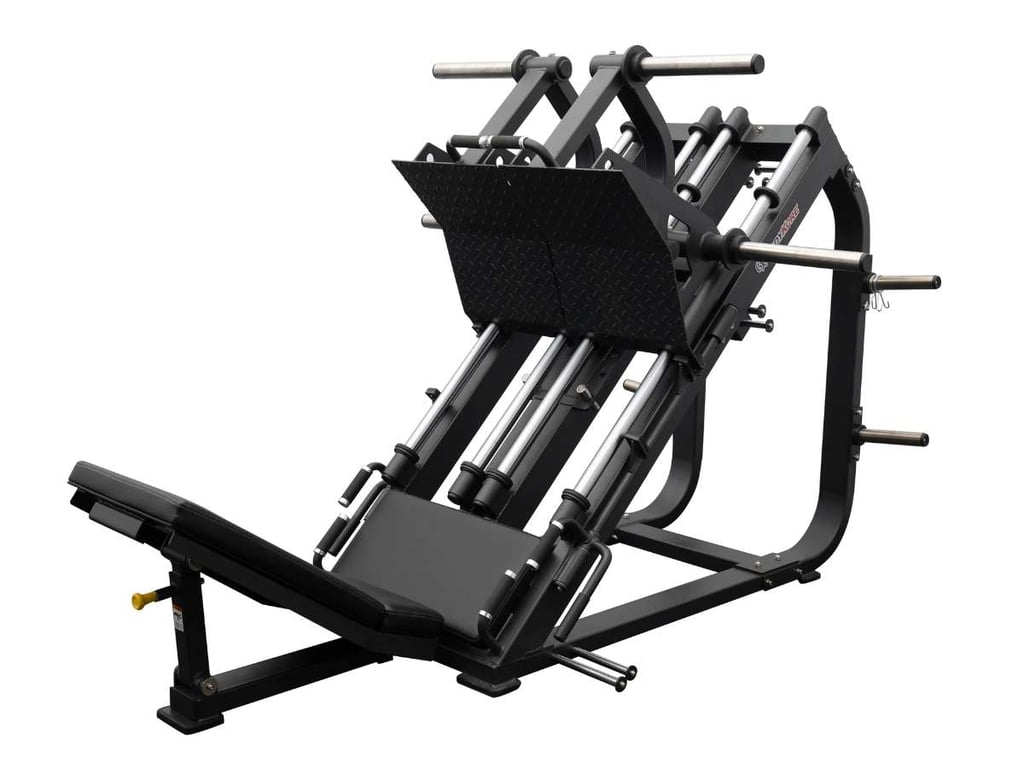
7. Leg Press Machines (Horizontal or 45-degree)
Leg press machines are a staple in senior fitness centers. They let members strengthen the lower body in a controlled and supported way. For many seniors, this machine feels safer than squats or other free-weight leg exercises.
How It Supports Senior Members
- Strengthens Major Leg Muscles: The leg press targets the quadriceps, hamstrings, and glutes. Stronger legs help seniors with walking, climbing stairs, and staying independent.
- Low Joint Stress: Because the back is supported, pressure on the knees and hips is reduced. This makes the machine friendly for members with joint problems.
- Boosts Everyday Mobility: Strong leg muscles improve balance and reduce the risk of falls. Seniors feel more confident in daily activities when they build lower-body strength.
Features
- Adjustable Seat and Backrest: The machine can be set to fit different body sizes and comfort levels. A supportive seat keeps seniors steady during each press.
- Controlled Resistance: Weight stacks or plates allow precise resistance adjustments. Members can start light and increase gradually.
- Footplate Design: Wide, angled footplates provide stability. Seniors can adjust foot position to work different leg muscles safely.
- Smooth Motion System: The track or lever system ensures steady, consistent movement. This reduces strain and supports safe exercise.
Practical Considerations
- Space Requirements: Leg press machines are large and need proper floor space. Plan carefully so members can access them without crowding.
- Maintenance Needs: Regular checks and maintenance on the seat adjustments, footplate, and resistance system keep the machine safe and reliable.
- Popularity Among Seniors: Expect these machines to be well-used. Many seniors prefer them because they feel secure and effective.
- Investment Value: While the cost is higher than basic equipment, the durability and member demand make them a strong long-term addition.
Training & Use Cases
- Strength Training Programs: Trainers can use the leg press to help seniors build lower-body strength safely. It works well as a core part of a structured program.
- Rehabilitation Support: The controlled motion helps members recovering from injuries strengthen legs without balance risks.
- Progressive Resistance Work: Seniors can start with minimal weight and gradually add more as they build confidence and strength.
- Alternative to Free Weights: For members not comfortable with squats or lunges, the leg press is a safe and effective substitute.
Leg press machines give seniors a reliable way to strengthen their lower body while feeling secure. They’re one of the most practical investments for centers that want to support long-term member mobility and independence.
8. Balance Trainers
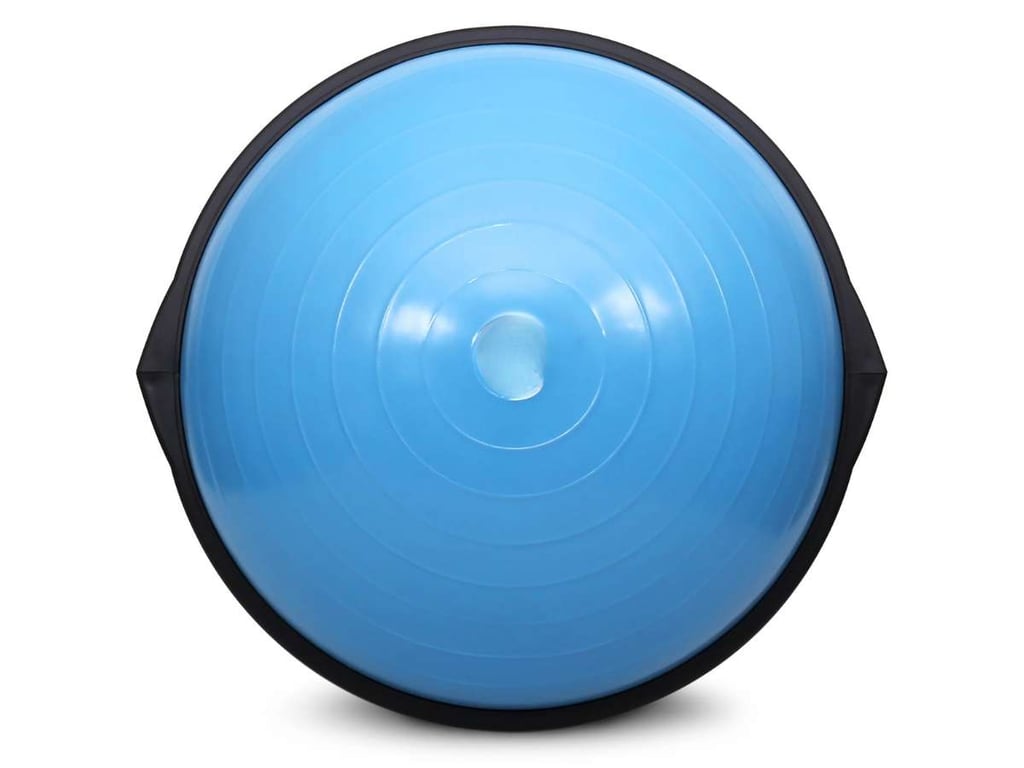
Balance trainers are simple tools that make a big difference in senior fitness centers. They help older adults improve coordination and stability in a safe environment. Many gym owners find these tools useful for fall prevention programs.
How It Supports Senior Members
- Improves Stability: Balance trainers strengthen the core and leg muscles that support steady movement. This helps reduce the risk of falls, one of the biggest concerns for seniors.
- Boosts Coordination: Training on an unstable surface challenges coordination. Seniors learn to control their body better, which benefits daily activities like walking and standing.
- Builds Confidence: Practicing balance in a safe, controlled way helps seniors feel more secure. This confidence often carries over into their daily lives.
Features
- Different Training Options: BOSU balls, wobble boards, and stability platforms each provide unique challenges. This variety lets trainers adjust difficulty levels for members.
- Compact and Lightweight: These tools don’t take much space and can be moved easily around the gym. This makes them convenient for both group and individual sessions.
- Non-Slip Surfaces: Most balance trainers include textured, non-slip surfaces. This increases safety and reduces the chance of slipping.
- Durable Build: Designed to handle repeated use, especially in group classes where multiple members rotate through them.
Practical Considerations
- Low Cost Investment: Compared to machines, balance trainers are very affordable. They provide a high return in value for senior programs.
- Trainer Guidance Needed: Some seniors may feel nervous at first. Staff support is important to teach safe use and build comfort.
- Storage and Organization: Because they’re small, balance trainers can be stacked or stored easily. A dedicated space helps keep the gym organized.
- Appeal to Group Programs: These tools are perfect for classes focused on stability and fall prevention. They encourage participation and community building.
Training & Use Cases
- Fall Prevention Classes: Trainers often use balance trainers in group sessions to help seniors reduce fall risk.
- Core and Leg Workouts: Simple movements like standing, squatting, or stepping on a BOSU ball improve strength and stability.
- Rehab and Therapy Support: Balance tools are useful for members recovering from injuries who need to rebuild coordination.
- Warm-Up or Cool-Down Routines: Short balance drills can be added before or after workouts to improve stability.
Balance trainers are cost-effective, versatile, and valuable for senior gyms. They give your members confidence, strength, and balance, skills that directly improve their safety and quality of life.
9. Stretching Machines
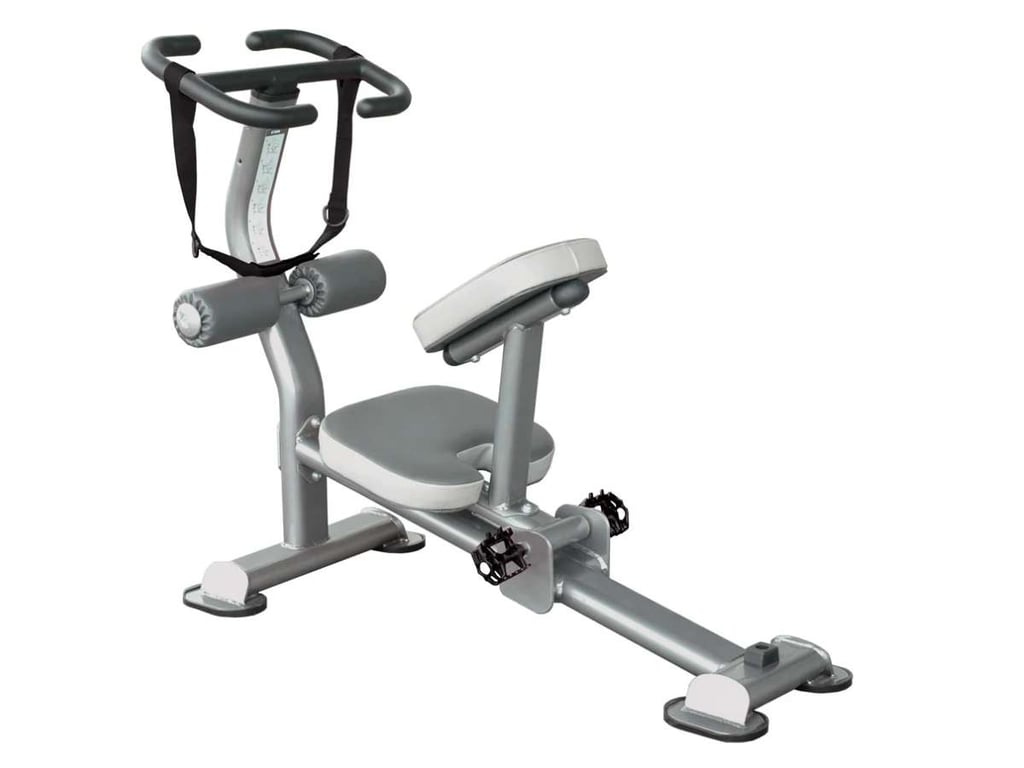
Stretching machines are often underestimated, but in senior fitness centers, they are essential. They help older adults maintain mobility, reduce stiffness, and recover more comfortably between workouts. For many seniors, machine-assisted stretching feels safer and more approachable than floor-based routines.
From our perspective as a professional commercial gym equipment manufacturer, stretching machines play a key role in creating a complete, senior-friendly gym environment.
How It Supports Senior Members
- Improves Flexibility & Joint Mobility: Stretching machines guide seniors through controlled movement paths, helping them maintain joint range of motion for everyday activities like walking, reaching, and bending.
- Reduces Muscle Stiffness: Consistent, guided stretching helps release tight muscles and ease discomfort after exercise, encouraging seniors to stay active longer.
- Supports Faster Recovery: Light stretching before and after workouts improves circulation and recovery, helping seniors feel more comfortable and confident returning to training.
Key Features to Look For
- Guided Range of Motion: Adjustable levers and pads control stretching angles, allowing seniors to stretch safely without overextension.
- Comfortable Seating & Support: Padded seats, backrests, and handholds improve stability, especially for users with balance concerns.
- Targeted Muscle Stretching: Machines can focus on hips, legs, lower back, shoulders, and upper body—areas where seniors often experience tightness.
- Easy Adjustment Settings: Simple adjustments allow each member to control stretch intensity based on comfort and ability.
Practical Considerations for Senior Fitness Centers
- Smart Space Planning: Stretching machines are compact but should be placed in open, accessible areas to allow safe entry and exit.
- High Senior Engagement: Many older adults avoid floor stretching. Machines provide structure, comfort, and confidence, increasing participation.
- Commercial Durability: Well-built stretching machines are designed for daily use and require minimal maintenance when regularly inspected.
- Program Integration: These machines fit naturally into warm-ups, cool-downs, rehab programs, and group flexibility sessions.
Training & Use Cases
- Daily Mobility Sessions: Short 10–15 minute routines help seniors maintain flexibility and joint health.
- Rehabilitation & Recovery: Controlled stretching supports members recovering from injury or surgery.
- Group Flexibility Classes: Trainers can lead guided stretching sessions using machines, creating consistency and motivation.
- Post-Workout Cool-Downs: Stretching after strength or cardio training reduces stiffness and helps prevent injury.
At YR Fitness, we design stretching machines with professional biomechanics, comfort, and commercial durability in mind. As a one-stop supplier of strength equipment, cardio machines, and fitness accessories, our solutions are trusted by gyms in over 100 countries. We focus on building equipment that supports long-term member health while standing up to daily commercial use.
If you’re looking to enhance mobility and recovery in your senior fitness center, contact us today to explore our commercial-grade stretching machines and complete gym solutions.
10. Light Dumbbells / Kettlebells
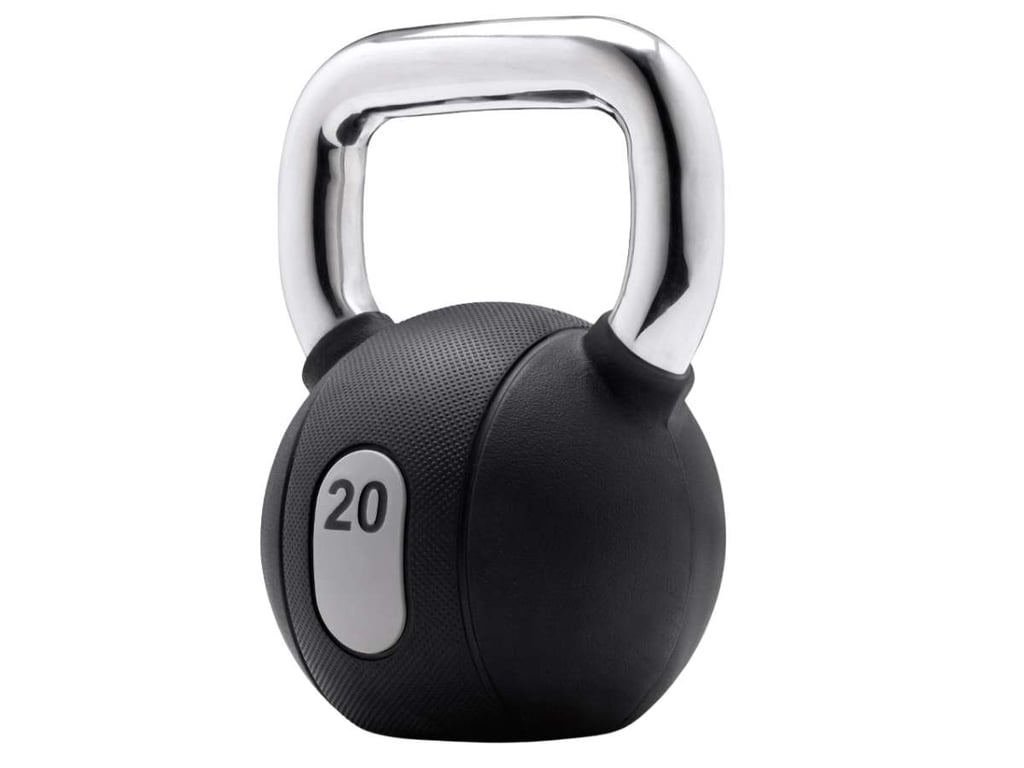
Light dumbbells and kettlebells are simple tools, but they hold real value in senior fitness centers. They allow safe, controlled strength training without the intimidation of heavy weights. Many seniors feel comfortable using them once they learn the basics.
How It Supports Senior Members
- Builds Everyday Strength: Light weights help seniors maintain strength needed for lifting, carrying, and daily tasks. This supports independence and confidence.
- Encourages Safe Movement: Lighter resistance reduces the risk of injury. Seniors can focus on good form without worrying about strain.
- Supports Functional Fitness: Dumbbells and kettlebells allow for movements that mimic real-life actions. This improves balance, coordination, and overall mobility.
Features
- Ergonomic Grip Design: Handles are shaped for comfort and ease of holding. This reduces hand fatigue and makes the weights safer for seniors with weaker grips.
- Light to Moderate Weight Range: Available in lower increments, usually from 1 to 10 pounds. This gives seniors options that match their ability.
- Rubber-Coated for Safety: Many are coated to prevent slipping and reduce noise if dropped. This adds safety and protects flooring.
- Compact and Versatile: They take very little space but can be used for dozens of exercises. Great for both group classes and personal training.
Practical Considerations
- Low Investment, High Use: Dumbbells and kettlebells are affordable and see frequent use. They are one of the best returns on investment for senior gyms.
- Storage Solutions: Racks or stands help keep them organized and easy to access. This prevents clutter and accidents.
- Trainer Supervision: While light, form still matters. Staff should guide seniors to avoid poor posture or unsafe movements.
- Appeal Across Fitness Levels: Beginners can start with the smallest weights, while more active seniors can progress to slightly heavier options.
Training & Use Cases
- Strength Training Classes: Perfect for group classes focused on building upper and lower body strength.
- Rehab and Recovery Programs: Light weights are often used in rehabilitation to help rebuild strength safely.
- Balance and Coordination Workouts: Exercises like one-arm lifts or side raises improve stability. This reduces the risk of falling in daily life.
- Circuit Training Options: Dumbbells and kettlebells can be integrated into circuits to add variety and keep members engaged.
Light dumbbells and kettlebells may be small, but they’re powerful tools for keeping seniors active and strong. They’re affordable, versatile, and highly practical for any fitness center that wants to support members of all ability levels.
Key Considerations Before Choosing Senior Gym Equipment
Choosing equipment for seniors is about more than just filling your floor with machines. It’s about creating a space where your members feel safe, supported, and motivated to stay active. We’ve worked with many gym owners, and these are the factors that matter most.
- Safety Features First: Seniors need equipment that minimizes risk. Look for features like easy step-through frames, supportive seating, and clear controls. These details build confidence and reduce accidents.
- Accessibility for All Abilities: Not every senior comes in with the same fitness level. Equipment should be easy to adjust and simple to use, so both beginners and active older adults can benefit.
- Durability and Maintenance: Commercial gyms see heavy daily use. Choosing equipment that can handle long-term wear without constant repairs saves you money and keeps members happy.
- Value for Investment: Price matters, but the focus should be on long-term value. Equipment that lasts and stays popular with members is always a better investment than cheaper options that need replacing often.
Conclusion
That moment when a client said his members avoided machines staying with us. It showed the gap between what seniors need and what gyms often provide.
This article gave you a roadmap: equipment that makes your center safer, more welcoming, and more effective. From recumbent bikes to stretching stations, each tool plays a role in helping seniors stay strong and independent.
Now it’s your turn to decide what fits your space.
At YR Fitness, we’ve spent decades building commercial-grade equipment for owners like you. If you’re ready to take the next step, contact us today and let’s talk solutions.
Related articles: