




100% Self Designed Strength Equipment Manufacturer
Built by athletes, for athletes.
Built tough to handle every strength training.
Built with precise movement angles since 1997.

Featured Product Series


Products We Have for You
Showing 154–162 of 271 results
-

Plate Rack
$5.00YR Fitness Plate Rack 61A51 is a strong and reliable storage solution for weight plates. Built with durable steel a
-

Plate Rack
$5.00YR Fitness 7351 Plate Rack is a heavy-duty storage solution with four strong, stainless steel sleeves. Built to las
-

Plated Loaded Check and Shoulder Combo
$5.00YR Fitness G2A38 is a versatile chest and shoulder training solution that offers ergonomic support, dual-position f
-

Power Cage
$5.00YR Fitness Power Cage 61A34 is designed for safe and effective strength training. Built with a strong steel frame a
-

Power Cage
$5.00YR Fitness 7334 Power Cage provides a stable, reinforced frame for free weight training. With durable construction
-
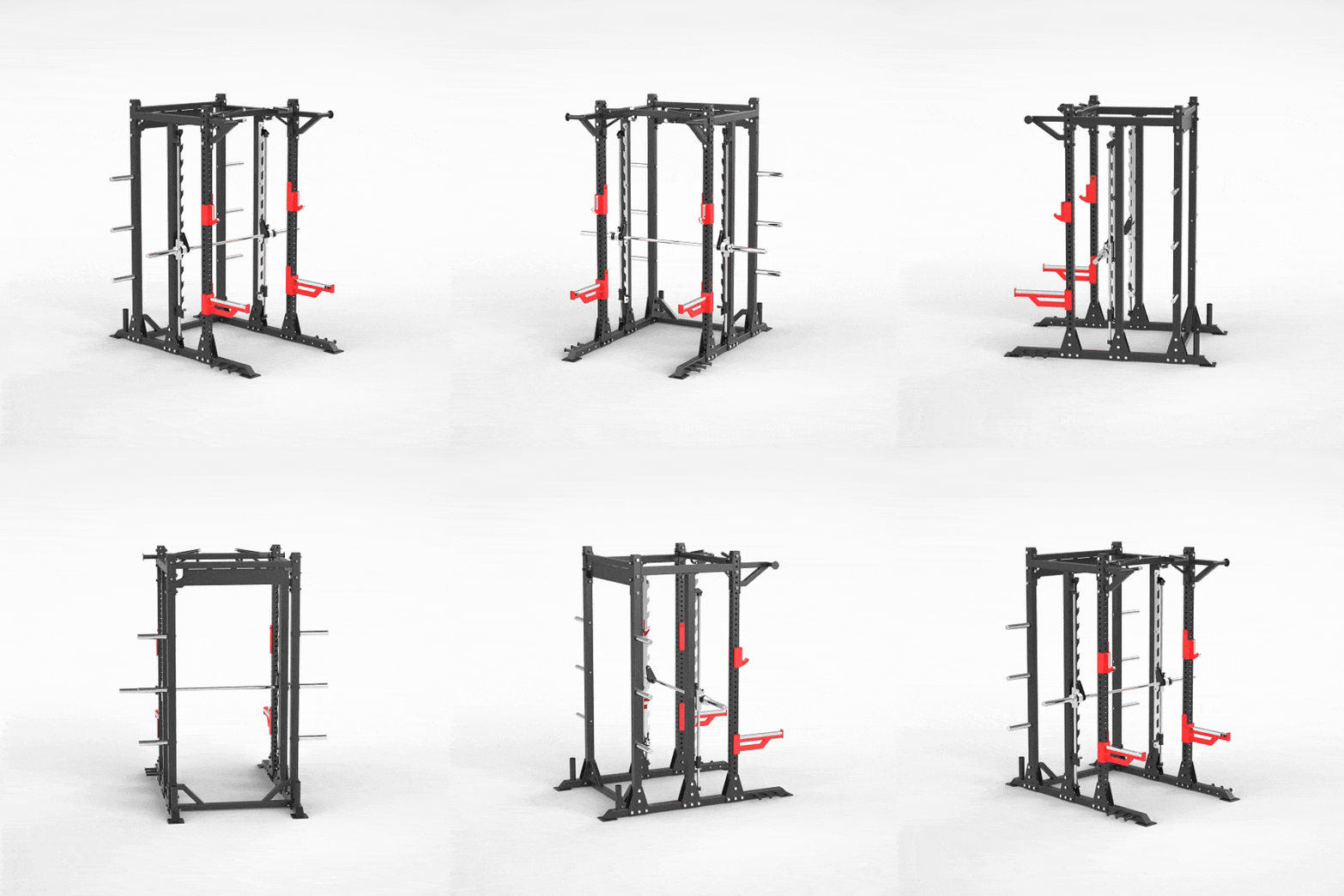
Power Rack
$5.00YR Fitness Power Rack G2050 is a heavy-duty training station designed for safe and effective strength workouts. Per
-
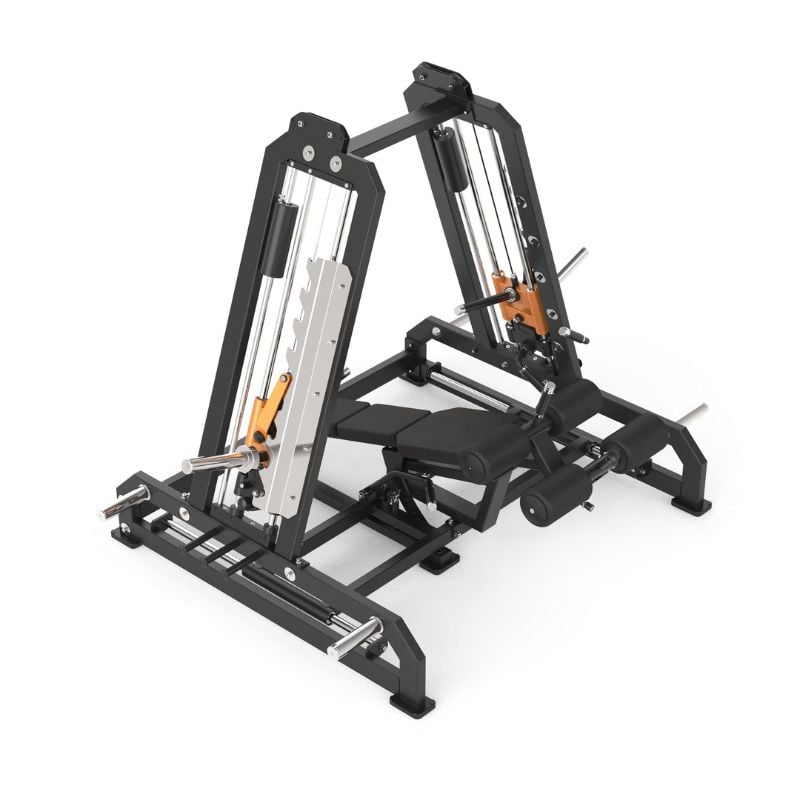
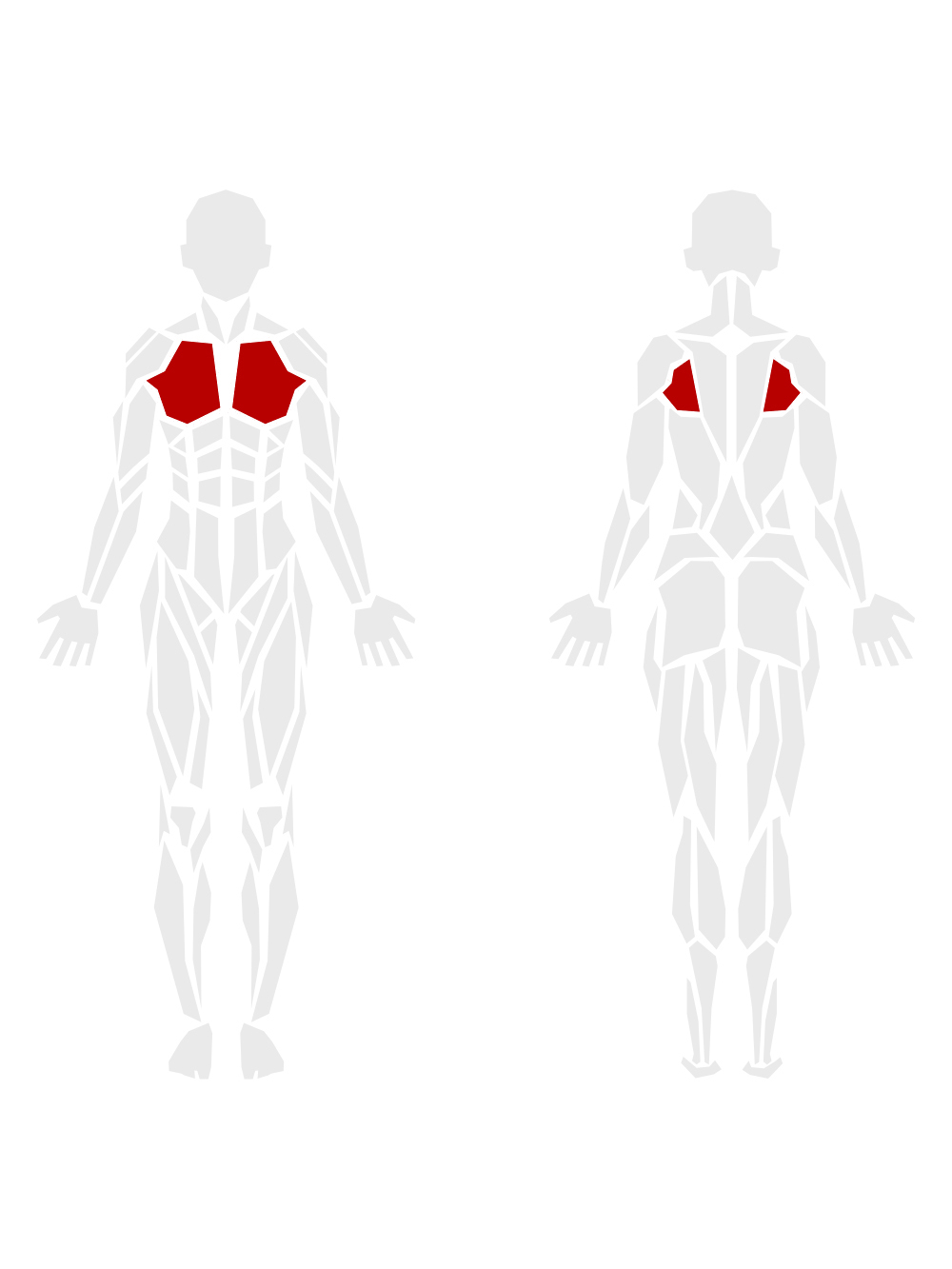
Power Smith Flat/Decline Bench Press
$5.00The YR Fitness G2A13 Power Smith Flat/Decline Bench Press is designed to strengthen your chest with precision and s
-

Power Smith System Bent-Over Row
$5.00The YR Fitness G2061 Power Smith System Bent-Over Row is designed to strengthen your back with precision and contro
-

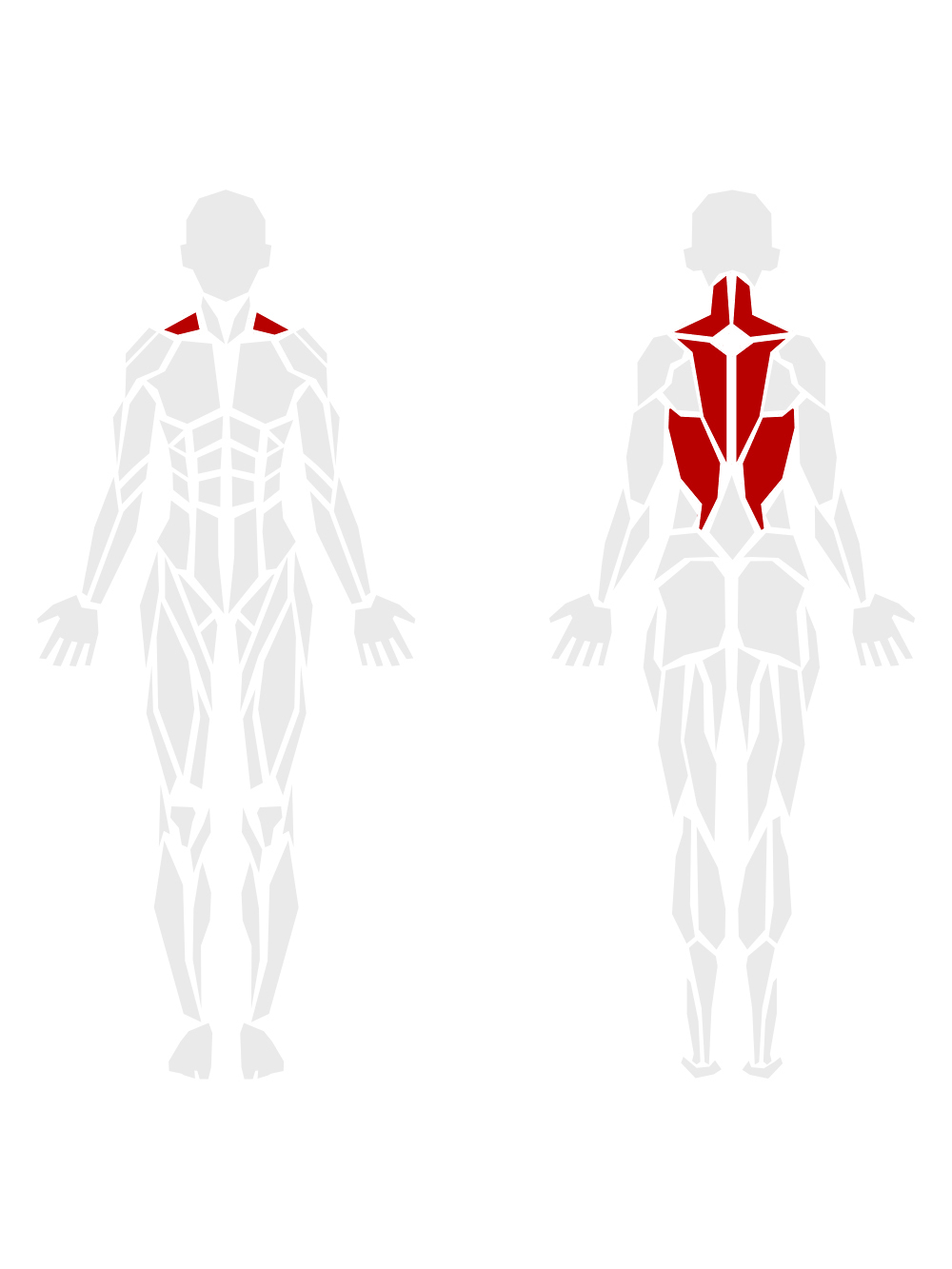
Power Smith System Seated Pull Back
$5.00The YR Fitness G2060 Power Smith System Seated Pull Back is designed to strengthen your mid-back with exceptional s

Certified by Global Standards
Backed by CE, TÜV, and ISO certifications so you can buy with full confidence in safety and performance.

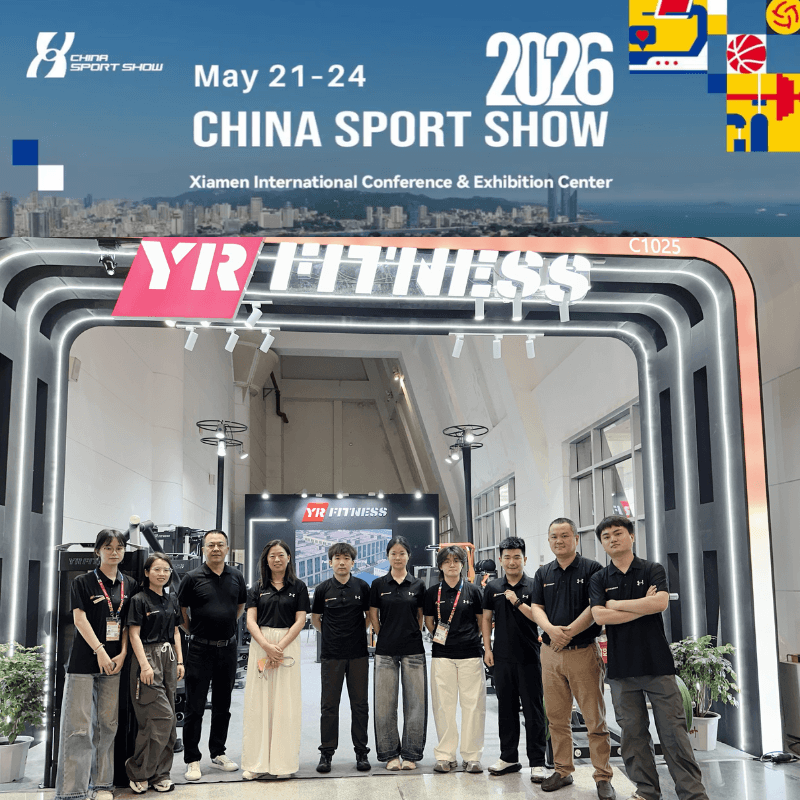
Meet YR at Exhibitions
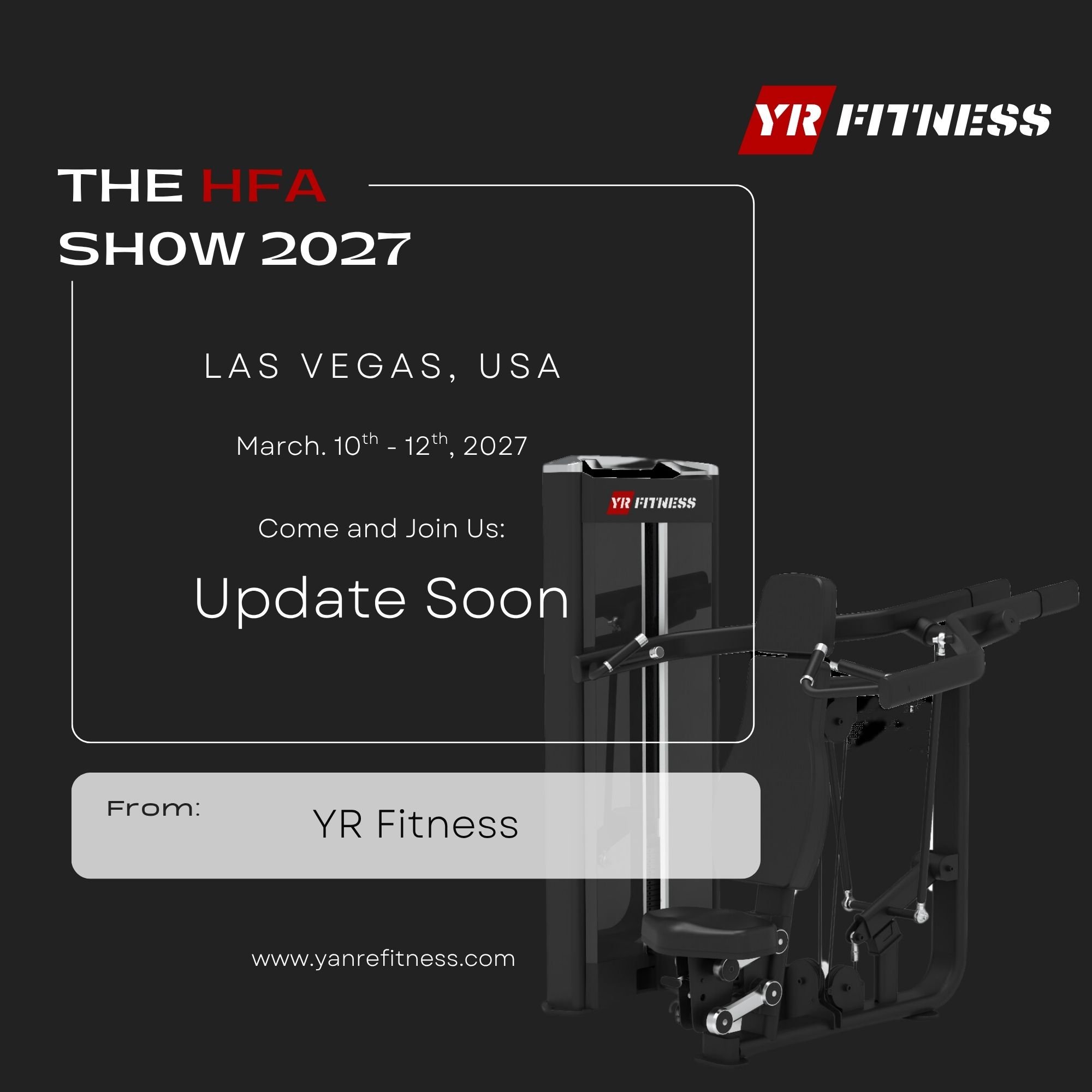
Come say hello to our team at international trade shows: FIBO, HFA USA, Dubai Muscle Show and more…

Happy Clients from 110+ Countries
Trusted by happy clients across 110+ countries, YR Fitness powers gyms around the world with reliable commercial strength equipment.


Only True Feedback Counts
Quality Standard of YR Fitness
That’s why we are confident to compete with big brand quality, but at 1/5 price.
Built with Strength: 3.0mm Solid Steel Pipes
We use thick 3.0mm+ Q235 steel pipes for every part of the machine — whether it’s the frame or the training area, no matter the size. With added reinforcement bends, our machines stay strong and steady. No shaking, just solid power.

This is How We Make Your Gym Equipment
Over 20 years, YR Fitness has put $8M into tech—just to bring you better machines.
100% Original Design Since 1997
Because Great Design Makes Great Machines.
Pulley Output Ratio
Leveraging the power of physics, we’ve tailored our pulley output ratio for optimal training. Take our butterfly machines: a 2:1 ratio means a 70kg weight selection delivers a 35kg training load. This higher ratio enhances your workout and saves on weight plate costs.

Compare Our Key Series
73 Series
Heavy-Duty Frame
Pro-Level Movement
High-End Line
61A Series
Durable
Affordable
Best-Selling
C4 Series
Modern Look
Upgraded Fusion
More Features
Quick Comparison At A Glance
Feature | 73 Tough Series | 61A Racing Series | C4 Revival Series |
|---|---|---|---|
Launch Year | 2008 | 2016 | 2025 |
Design Focus | High-end performance and biomechanics | Space-saving, budget-friendly, market-driven | Combines 61A’s simplicity with 73’s advanced features |
Frame Tubing | 75×130×3.0 mm (main) + 58×101×3.0 mm (functional) | 75×118×3.0 mm (main) + 50×120 / 40×80 / 50×100 mm | 150×50×3.0 mm (main) + 50×120 / 40×80 / 50×100 mm |
Aesthetic Design | Parabolic, bold, aluminum accents | Compact and practical | Stylish, modern, fits younger gym aesthetics |
Durability Level | Heavy-duty, custom-engineered components | Very durable, many still running after 20+ years | Same durability level with upgraded styling and adjustability |
Movement Types | Independent converging/diverging paths | Standard movement paths | Includes both standard and independent paths (split models) |
Adjustability | Basic adjustability | Standard user adjustability | Advanced: rotating handles, adjustable pads, backrests, etc. |
Innovation Level | First of its kind globally in 2008 | Refined through years of customer feedback | Integrated innovation from both series + unique new machines |
Series Size | 62 models | 62 models | 74 models (still expanding) |
Target Buyer | High-end gyms, serious training centers | Budget-conscious gyms, franchise chains | Gyms that want both performance and style |
Pricing | Premium | Most affordable | Mid-range, with excellent feature-to-price ratio |
Production Method | Partially handmade due to complex design | Fully industrialized | Industrial production with some specialty detailing |
After-Sales Service | Lifetime support | Lifetime support | Lifetime support |
Let’s Talk

Blake Fisher
Gym Owner from Malaysia
Our members love using this. Super strong with top engineering. Great quality at an affordable price. Smooth to operate, can handle big weights and hits the target muscle. We are very satisfied for these gym machines! We plan on opening another gym once the virus is over.

Jay Dang
Gym Owner from Australia
Commercial quality. Well made. I feel it is just as good as the other top brand benches we have at our club eg Technogym, Matrix etc, but is so much more affordable. All of my order arrived on time and the sales manager was awesome to communicate with. Highly recommend!!!

Steve
Gym Owner from USA
The Quality is very nice, I really like them. All my clients are happy with my new equipment. I will work hard to promote them in Poland.

Allan
Distributor from Poland
Strength Equipment – A Definitive FAQ Guide
1. What are the types of strength equipment?
There are three main types of strength equipment: free weights, selectorized machines, and plate-loaded machines.
Free weights give you the most natural range of motion and really challenge balance and coordination. Selectorized machines make things safer and more controlled, which is perfect for beginners or anyone who likes guided movements. Plate-loaded machines sit somewhere in the middle, giving the raw feel of free weights but with the stability of a machine. Together, they cover just about everyone, from first-time users to seasoned athletes.
Because these categories are essential for a balanced gym, YR Fitness designs and manufactures all three, making it easier for gym owners to create spaces that are versatile, reliable, and able to meet the needs of every type of member.
3. What is the difference between pin-loaded and plate-loaded strength equipment?
Pin-loaded machines use a weight stack with a selector pin. On the other hand, plate-loaded machines require users to manually load and unload weight plates.
The choice really depends on the user’s goals. Pin-loaded machines are ideal for efficiency and controlled training, while plate-loaded machines appeal to those seeking a more natural strength-building experience with greater load capacity.
Many gyms include both types so members can switch between convenience and performance depending on their workout.
5. What is the function of a shroud on strength equipment?
A shroud is the protective cover that goes around the moving parts and weight stacks of strength machines. Its main job is to keep users safe while also giving the equipment a clean, professional look.
By covering cables, pulleys, and weight stacks, a shroud lowers the risk of accidental contact or injury. It also helps keep dust and dirt away from the machine’s internal parts, which cuts down on maintenance and extends the life of the equipment. On top of that, shrouds make the gym floor look more polished and uniform.
For gyms and fitness centers, shrouds are an important feature that combine safety with presentation. YR Fitness incorporates durable, well-designed shrouds into our strength machines to protect users while maintaining a professional, modern look on the gym floor.
7. What is multi-gym strength equipment?
A multi-gym is a single machine designed to let users perform multiple strength exercises in one compact setup. It combines several workout stations into one unit, making it versatile and space-saving.
These machines often include features such as a chest press, lat pulldown, leg extension, and low row, all connected to a shared weight stack. By adjusting the seat, handles, or pulleys, users can switch between exercises quickly. This design makes multi-gyms especially popular in commercial gyms and fitness centers where space efficiency and training variety are important.
Multi-gyms are a smart investment for facilities that want to maximize training options without taking up too much floor space. That is why YR Fitness designs multi-gym systems with both durability and versatility in mind, helping gyms provide members with a wide range of exercises in one reliable unit.
9. What is dual-function commercial strength equipment?
Dual-function strength equipment is a machine designed to perform two different exercises within one unit.
These machines often pair complementary movements, such as a leg extension and leg curl, or a chest press and shoulder press. By adjusting the seat, handles, or weight selection, users can quickly switch between the two functions. This makes them a space-saving and cost-effective option for gyms that want to maximize versatility.
For commercial facilities, dual-function machines are especially valuable because they provide more training variety in less floor space. YR Fitness develops dual-function strength equipment with a focus on efficiency and durability, helping gyms deliver diverse training options without compromising on quality.
11. What maintenance is required for commercial strength equipment?
Commercial strength equipment requires regular cleaning, lubrication, and inspection to keep it safe and functional.
Most tasks are simple but must be done consistently to extend the lifespan of machines and reduce costly repairs. A structured maintenance schedule also helps ensure the equipment remains safe and reliable for daily gym use.
Key maintenance activities include:
- Daily cleaning of frames, pads, and handles to prevent sweat damage and bacteria buildup
- Weekly checks to tighten bolts and fasteners for safety
- Lubrication of guide rods, pulleys, and weight stacks to ensure smooth operation
- Inspection of cables and belts for wear and immediate replacement if damaged
- Upholstery care, repairing or replacing torn pads to maintain comfort and hygiene
- Testing safety features like pins, locks, and stops to confirm proper function
Sticking to these simple practices helps gym owners keep the equipment in top condition, minimize downtime, and create a safer training environment for members.
13. What safety features should commercial strength equipment include?
Commercial strength equipment should include locking mechanisms, non-slip surfaces, protective shrouds, and stable frames to keep users safe.
Other key features are adjustable seats and pads that fit different body types, smooth and controlled motion paths, and clearly labeled instructions for proper use. Equipment should also have safety stops or limiters on moving parts to prevent overextension and reduce injury risks.
These features are standard in well-built machines, and YR Fitness integrates them into every design to ensure both durability and user protection. This helps gym owners provide members with equipment that is safe, reliable, and built for professional use.
15. What warranty should I expect with commercial strength equipment?
Most commercial strength equipment comes with a warranty that covers the frame, moving parts, and upholstery for different lengths of time.
In general, the frame usually has the longest coverage, sometimes several years or even a lifetime. Moving parts like pulleys and cables are often covered for one to three years, while upholstery and grips tend to have shorter warranties, usually six months to a year. The exact terms depend on the manufacturer and whether the machine is rated for light or full commercial use.
With YR Fitness, the warranties are designed to match the durability of the equipment, giving gym owners confidence that their investment is protected. It is always smart to review the details before purchasing so you know exactly what is covered and for how long.
17. What is the average cost of outfitting a gym with strength equipment?
The cost of outfitting a gym with strength equipment can range anywhere from $30,000 to over $100,000, depending on the size of the facility and the quality of the machines.
Smaller gyms or studios with just the essentials may spend on the lower end, while full commercial gyms with a wide variety of machines, racks, and free weights often reach the higher end of that range. Factors like the number of machines, whether you choose single- or dual-function equipment, and the brand you go with all play a big role in the final price.
YR Fitness may not be the cheapest gym equipment manufacturer, but we aim to provide the best quality products at competitive prices. By focusing on durability and value, we help gym owners get the most out of their investment without compromising on performance or member experience.
19. How should I plan the layout of strength equipment in a gym?
You should plan your gym layout by grouping similar machines together, leaving enough space for movement, and creating a clear flow that feels safe and easy for members to navigate.
A well-planned layout balances functionality with comfort. Free weights need extra space for lifting and spotting, while machines should be arranged so members can move naturally from one exercise to the next. Always think about safety, accessibility, and how different zones fit together.
Some key layout tips include:
- Place free weights in one zone with open space for benches and racks.
- Arrange machines by muscle groups (legs, chest, back) to support circuit training.
- Keep at least 2–3 feet of clearance around each machine for safety.
- Separate cardio and strength areas to reduce congestion.
- Position storage close to workout zones for accessories and weights.
2. Which type of strength equipment is better to use, resistance machines or free weights?
Both resistance machines and free weights are good options for building strength. The better choice depends on your goals, fitness level, and personal preference.
Resistance machines provide stability and controlled movement, which makes them safe and beginner-friendly. They are great for isolating specific muscles and for people recovering from injuries or who prefer a more guided approach.
Free weights allow natural movement patterns and recruit stabilizing muscles, helping you develop balance, coordination, and overall strength. Many people find that combining machines and free weights gives them the best of both worlds, with machines offering safety and precision and free weights building functional power.
4. What are qualities to look for in commercial strength equipment?
The best commercial strength equipment should be tough, safe, and built to handle heavy use day after day.
Strong materials like heavy-gauge steel frames and reinforced welds make a big difference in durability. Safety also matters, so look for secure locking systems, solid ergonomics, and a stable design that keeps users protected. Comfort is important too, with adjustable settings and padded surfaces that fit a wide range of people.
It also helps if the equipment is easy to maintain, saves space, and offers enough versatility to support different types of workouts. That is why YR Fitness designs its machines with all of these qualities in mind, giving gym owners gear that lasts, performs well, and creates a professional training experience for members.
6. What are the accessories for commercial strength equipment?
Some of the most common accessories are attachments like tricep ropes, lat bars, ankle straps, and curl bars for cable machines.
Other handy add-ons include weight storage racks, protective floor mats, and resistance bands to bring more variety into training. Adjustable benches are also a staple since they pair well with free weights and racks for multiple types of exercises.
In a commercial gym, these accessories play a big role in maximizing space and providing members with more exercise options. At YR Fitness, we offer a range of compatible accessories that complement our strength equipment, helping gyms create a complete and flexible training environment.
8. Is it easy to move commercial strength equipment?
Most commercial strength equipment is not easy to move. These machines are designed to be heavy, stable, and durable, which makes them difficult to transport without proper tools and assistance.
The weight and size of commercial equipment are intentional, as stability is crucial for user safety during workouts. Moving such machines often requires multiple people, dollies, or even professional movers. Disassembly may also be necessary, especially for larger units like multi-gyms or plate-loaded racks.
If you need to move commercial strength equipment, here are some helpful tips:
- Use furniture dollies or sliders to move heavy bases across the floor.
- Disassemble attachments or weight stacks before moving to reduce the load.
- Protect the flooring with mats or plywood sheets to avoid scratches and damage.
- Consider hiring professional gym equipment movers for larger or complex setups.
10. How long does commercial strength equipment typically last?
On average, commercial strength equipment can last anywhere from 10 to 15 years with proper use and care.
The actual lifespan depends on the quality of the equipment, how often it is used, and how well it is maintained.
High-quality machines built with durable materials tend to last longer, especially in busy gyms where they face constant use. Regular preventive maintenance, such as tightening bolts, lubricating moving parts, and inspecting cables, also extends equipment life. In high-traffic fitness centers, certain components like cables or upholstery may need replacement sooner, even if the frame lasts much longer.
For gym owners, it is smart to view strength equipment as a long-term investment. That is why YR Fitness builds commercial machines with heavy-duty frames and quality components, giving facilities reliable performance that stands up to years of demanding use.
12. How much space is needed for different types of strength machines?
Most strength machines require between 25 to 70 square feet each, depending on the type, with larger setups like multi-gyms needing 100 square feet or more.
Single-function machines usually take up less space, while plate-loaded machines and leg presses need more room due to their size and range of motion. Free weight areas should also allow for benches, racks, and safe walking space, which means careful layout planning is crucial for any commercial facility.
At YR Fitness, our equipment is designed with space efficiency in mind, helping gym owners balance functionality, safety, and comfort without overcrowding their training floors. This makes it easier to create layouts that fit more variety without compromising the user experience.
14. How do I choose between single-function and dual-function machines?
It really comes down to what matters most for your gym, such as space, budget, and the kind of experience you want members to have.
Single-function machines do one thing really well. They are sturdy, simple to use, and great for gyms with lots of members who need equipment that can handle heavy use. Dual-function machines, on the other hand, give you two exercises in one piece of equipment. They save space, cut down on costs, and are perfect if you are working with a smaller floor plan or want to pack in more variety.
That is why YR Fitness designs both single- and dual-function machines, so gym owners do not have to compromise. You can mix and match based on your goals, whether you are aiming for durability, versatility, or the best balance of both.
16. How do I know if equipment meets international safety standards?
The easiest way to know if strength equipment meets safety standards is to look for certifications or labels from trusted organizations.
Things like ISO certifications, CE marking in Europe, or ASTM and UL standards in the United States show that the machines have been tested for safety, durability, and performance. Most reliable manufacturers share this information on their websites, in product manuals, or directly on the equipment itself.
At YR Fitness, we make sure our machines are built to meet these international standards so gym owners can feel confident about what they are installing. That way, members get safe and dependable equipment, and owners know they are keeping up with professional requirements.
18. How do I decide the right mix of machines and free weights for my facility?
The right balance really depends on your members, your space, and the kind of training environment you want to create.
Machines are perfect for beginners, rehab clients, or anyone who feels safer with guided movement. Free weights, on the other hand, give advanced users more freedom, build functional strength, and allow for a wider variety of exercises. Most gyms do best with a healthy mix of both.
Here are a few things to consider when planning your setup:
- Member Profile: Beginners usually prefer machines, while experienced lifters lean toward free weights.
- Available Space: Free weights need extra room for benches, racks, and safe lifting zones.
- Training Goals: A general fitness gym may need more machines, while a performance-focused gym benefits from more free weights.
- Budget: Machines cost more upfront, while free weights are usually more affordable and flexible.
YR Fitness works with gym owners to find the right mix so their layout feels balanced, efficient, and member-friendly. That way, you can serve both new and experienced users without wasting space or overspending.
20. What are the most popular strength machines that every gym should have?
The most popular strength machines are the chest press, lat pulldown, and leg press, as these are the ones members use most often for full-body training.
Other machines that consistently rank high in popularity include the seated row, leg extension, leg curl, and shoulder press. Together, these cover all the major muscle groups and make it easy for members to build balanced workout routines.
At YR Fitness, we focus on these core machines because they are the staples every gym needs. This ensures gym owners can invest in equipment that members will actually use, helping them get the best return on their space and budget.