








Eco-Friendly Yoga Mat Manufacturer in China
Built by athletes, for athletes.
Built tough to handle every strength training.
Built with precise movement angles since 1997.
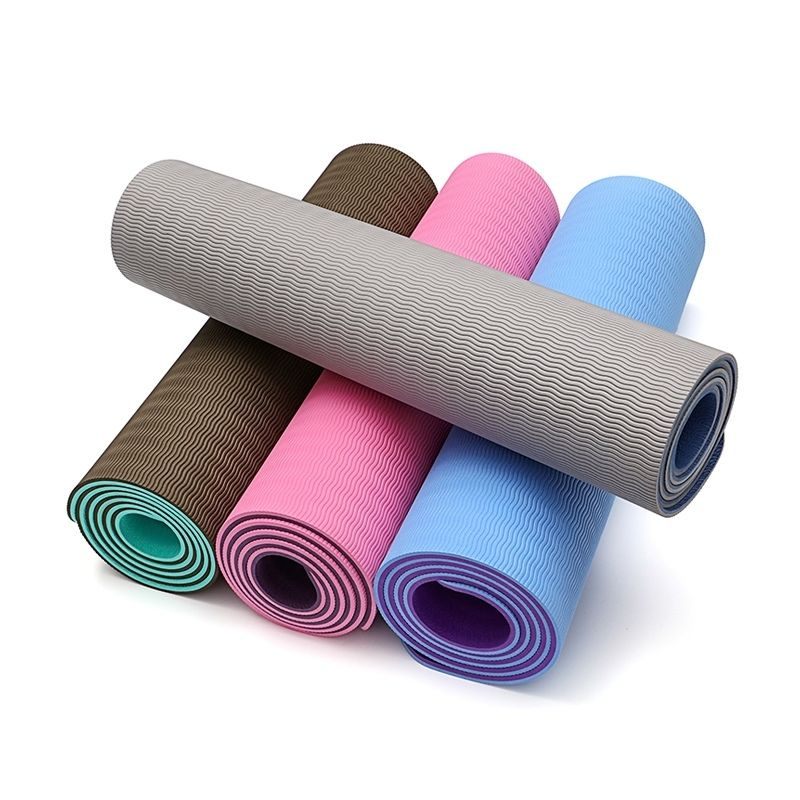
Products We Have for You
Showing all 3 results
-

Yoga Mats – PU + RUBBER
$5.00YR Fitness Yoga Mat YM03 is made from PU and rubber for great grip, comfort, and durability. Its non-slip surface h
-

Yoga Mats – TPE
$5.00YR Fitness Yoga Mat YM01D is made from eco-friendly, non-toxic TPE that’s lightweight, durable, and UV-resistant.
-

Yoga Mats – TPE
$5.00YR Fitness Yoga Mat YM01 is made from non-toxic TPE that’s soft, durable, and safe to use. It resists moisture, b
Certified by Global Standards
Backed by CE, TÜV, and ISO certifications so you can buy with full confidence in safety and performance.

DESIGNED By ATHLETES,
FOR ATHLETES
At YR Fitness, Design Transcends Aesthetics.
It’s About Functionality.
Simple, But Significant.


Only True Feedback Counts
Quality Standard of YR Fitness
That’s why we are confident to compete with big brand quality, but at 1/5 price.
Built with Strength: 3.0mm Solid Steel Pipes
We use thick 3.0mm+ Q235 steel pipes for every part of the machine — whether it’s the frame or the training area, no matter the size. With added reinforcement bends, our machines stay strong and steady. No shaking, just solid power.

This is How We Make Your Gym Equipment
Over 20 years, YR Fitness has put $8M into tech—just to bring you better machines.
100% Original Design Since 1997
Because Great Design Makes Great Machines.
Pulley Output Ratio
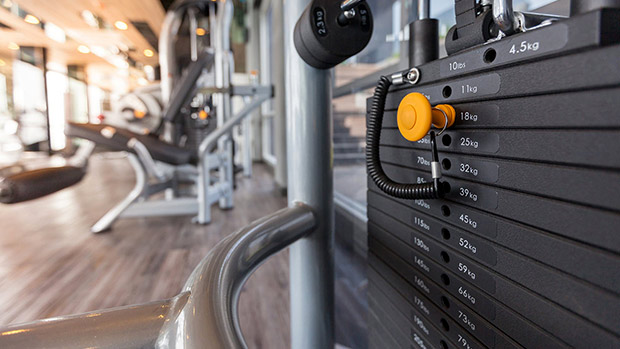
Leveraging the power of physics, we’ve tailored our pulley output ratio for optimal training. Take our butterfly machines: a 2:1 ratio means a 70kg weight selection delivers a 35kg training load. This higher ratio enhances your workout and saves on weight plate costs.
Compare Our Key Series
73 Series
Heavy-Duty Frame
Pro-Level Movement
High-End Line
61A Series
Durable
Affordable
Best-Selling
C4 Series
Modern Look
Upgraded Fusion
More Features
Quick Comparison At A Glance
Feature | 73 Tough Series | 61A Racing Series | C4 Revival Series |
|---|---|---|---|
Launch Year | 2008 | 2016 | 2025 |
Design Focus | High-end performance and biomechanics | Space-saving, budget-friendly, market-driven | Combines 61A’s simplicity with 73’s advanced features |
Frame Tubing | 75×130×3.0 mm (main) + 58×101×3.0 mm (functional) | 75×118×3.0 mm (main) + 50×120 / 40×80 / 50×100 mm | 150×50×3.0 mm (main) + 50×120 / 40×80 / 50×100 mm |
Aesthetic Design | Parabolic, bold, aluminum accents | Compact and practical | Stylish, modern, fits younger gym aesthetics |
Durability Level | Heavy-duty, custom-engineered components | Very durable, many still running after 20+ years | Same durability level with upgraded styling and adjustability |
Movement Types | Independent converging/diverging paths | Standard movement paths | Includes both standard and independent paths (split models) |
Adjustability | Basic adjustability | Standard user adjustability | Advanced: rotating handles, adjustable pads, backrests, etc. |
Innovation Level | First of its kind globally in 2008 | Refined through years of customer feedback | Integrated innovation from both series + unique new machines |
Series Size | 62 models | 62 models | 74 models (still expanding) |
Target Buyer | High-end gyms, serious training centers | Budget-conscious gyms, franchise chains | Gyms that want both performance and style |
Pricing | Premium | Most affordable | Mid-range, with excellent feature-to-price ratio |
Production Method | Partially handmade due to complex design | Fully industrialized | Industrial production with some specialty detailing |
After-Sales Service | Lifetime support | Lifetime support | Lifetime support |
Let’s Talk

Blake Fisher
Gym Owner from Malaysia
Our members love using this. Super strong with top engineering. Great quality at an affordable price. Smooth to operate, can handle big weights and hits the target muscle. We are very satisfied for these gym machines! We plan on opening another gym once the virus is over.

Jay Dang
Gym Owner from Australia
Commercial quality. Well made. I feel it is just as good as the other top brand benches we have at our club eg Technogym, Matrix etc, but is so much more affordable. All of my order arrived on time and the sales manager was awesome to communicate with. Highly recommend!!!

Steve
Gym Owner from USA
The Quality is very nice, I really like them. All my clients are happy with my new equipment. I will work hard to promote them in Poland.

Allan
Distributor from Poland
Eco-Friendly Yoga Mat Manufacturer – Definitive FAQ Guide
1. What is an eco-friendly yoga mat?
An eco-friendly yoga mat is a mat made from safer, more sustainable materials instead of cheap, harsh plastics.
For gym owners, this usually means mats made from natural or non-toxic materials, with less smell and better comfort for members. Eco-friendly mats avoid heavy use of PVC and focus on materials that are safer for people and kinder to the environment.
We at YR Fitness focus on commercial-grade equipment and accessories for gyms, so eco-friendly mats can fit well into your full setup, from strength machines to floor areas. If you plan to upgrade your yoga or stretching zone, you can discuss mat options with our sales team along with your other equipment needs, so everything matches your space, budget, and training style.
3. What materials are used for manufacturing eco-friendly yoga mats?
Eco-friendly yoga mats are usually made from natural rubber, cork, plant fibers, or safer synthetic blends instead of pure PVC.
Most eco-friendly mats avoid heavy PVC and use materials that are safer for people and easier on the environment. Each material has a different feel, grip, and level of durability, so gym owners should match the material to class type, climate, and cleaning routine.
Common materials include:
- Natural Rubber: Good grip and cushioning, often used in higher-performance studio mats
- Cork: Naturally anti-slip when slightly wet, and feels dry and clean to many users
- Jute or Other Plant Fibers: Often combined with rubber to create a textured, natural surface
- TPE or Other Improved Synthetic Blends: Designed to be lighter and lower in toxins than traditional PVC
When you work with a commercial supplier like YR Fitness, you can choose eco-friendly mats in the material that fits your gym’s real use: heavy daily classes, hot environments, or mixed-use stretching areas. You can also discuss which materials balance member comfort, easy cleaning, and long-term cost before you place your bulk order.
5. What are the benefits of eco-friendly yoga mats for gyms?
Eco-friendly yoga mats can improve member comfort, reduce strong odors, and strengthen your gym’s professional image.
Members notice how the training area looks, smells, and feels. Eco-friendly mats can help reduce chemical smell, offer better grip and comfort, and show that your gym cares about health, not just about having machines on the floor. This can support member retention and make it easier to market your studio as a clean, thoughtful training environment.
At YR Fitness, we position ourselves as partners for gym owners who need a balance of quality, price, and brand image. When you combine eco-friendly mats with durable strength and cardio equipment from us, you create a full commercial setup that feels professional from the moment members walk in.
7. What varieties of eco-friendly yoga mats can manufacturers provide?
Manufacturers can offer eco-friendly mats in different materials, sizes, textures, colors, and logo options.
You can usually choose from materials like natural rubber, cork, TPE, or mixed plant-fiber mats. There are also different sizes (standard and extra-long), and surface textures for more or less grip. This helps you match mats to your class types, such as yoga, Pilates, or general stretching.
It is practical to standardize most mats, and then add a few special types for specific classes. At YR Fitness, when we help design a full gym layout, we guide owners to pick a small set of mat types that cover most needs, so stock is easier to manage, and the look of the studio stays clean and consistent. If you are planning a new order, our team can help you choose a simple, repeatable mat mix for your space.
9. Are these mats non-slip, even when members sweat a lot?
Most eco-friendly mats can give good grip, but the level of non-slip performance depends on the material, surface design, and how you maintain them.
Natural rubber and cork mats usually have strong grip, especially in warm or slightly wet conditions. Some TPE mats also perform well if they have the right texture. But if mats are very dirty, worn, or cleaned with products that leave residue, even good material can feel slippery. In hot yoga or high-sweat classes, this becomes more important, so testing a sample in real conditions is key.
At YR Fitness, we always look at how products perform in real gym use, not just in a showroom. When you choose eco-friendly mats as part of a full equipment order, we can help you match material and surface texture to your main class types, and suggest simple cleaning rules to keep grip stable over time. This way, your trainers can coach with confidence, and members feel safer in every session.
11. Are eco-friendly yoga mats durable enough for heavy daily use in classes?
Yes, many eco-friendly yoga mats are durable enough for daily classes if you choose commercial-grade designs and care for them well.
Durability depends on the material, thickness, and how often the mats are used and cleaned. Natural rubber and good-quality TPE mats usually hold up better in a busy gym than very soft or very thin options. In a high-traffic studio, it is important to choose mats made for commercial use, not just for home workouts.
At YR Fitness, our focus is commercial-grade equipment and accessories that can handle heavy use in gyms and clubs. When you plan your yoga or stretching area with us, we help you pick eco-friendly mats that match your class load, member profile, and cleaning routine, so you get a good balance of lifespan and budget.
13. How should we clean and disinfect eco-friendly yoga mats in a gym setting?
Use a mild cleaner and soft cloth for daily wipes, and follow the manufacturer’s guidance to avoid harsh chemicals.
Most eco-friendly mats respond well to a simple mix: water plus a small amount of gentle soap or a mat-safe disinfectant spray. After class, members or staff can wipe both sides, then let the mats air dry fully before rolling and storing them. Good air flow helps prevent odor and keeps the surface feeling clean.
From our experience working with commercial gyms, YR Fitness suggests you write a short, clear cleaning routine for staff and trainers. For example: quick wipe after every class, deeper clean once a week, and no soaking or high-pressure washing unless the mat brand allows it. This keeps hygiene standards high while still protecting the material, so your mats last longer.
15. How should we store eco-friendly yoga mats to extend their life?
Store eco-friendly mats rolled, dry, and out of direct sunlight to help them last longer.
Mats should be wiped and fully dry before storage. It is best to roll them loosely, not fold them, and place them on a rack or shelf where air can still move around them. Avoid stacking damp mats in a closed space, as this can lead to odor and faster breakdown of the material. Direct sun or strong heat can also age natural rubber and cork faster.
When we design gym layouts at YR Fitness, we often include simple storage solutions for mats and accessories, such as wall racks or vertical stands near the studio. Clear storage zones make it easier for staff and members to return mats correctly and help you keep track of wear and tear.
Planning storage together with equipment and mat orders is a small step that can add years to the life of your accessories.
17. Can we print our gym logo or branding on eco-friendly yoga mats?
Yes, many manufacturers can add your logo or colors to eco-friendly yoga mats with different branding methods.
Branding can be done by screen printing, embossing, or laser marking, depending on the mat material. You can often choose mat color, logo size, and logo placement, so the mats match your overall club design. Branded mats help reinforce your gym identity in class photos, social media, and member experience.
YR Fitness works mainly with commercial gyms and distributors, so logo and color matching is a common request in full gym projects. When you plan an order with us, you can discuss branding options for mats together with branded strength machines, racks, and small accessories, so your space looks consistent from floor to ceiling.
19. Do manufacturers offer bulk discounts for gyms and distributors?
Yes, most manufacturers offer better pricing when you order eco-friendly mats in larger quantities.
The unit price usually drops as order volume goes up. This is because material purchase, production setup, and shipping are more efficient at higher volumes. Distributors and multi-branch gym groups can often get the strongest price levels, especially when they confirm repeat orders or long-term cooperation.
At YR Fitness, we focus on commercial buyers, so our pricing structure is built around bulk orders of equipment and accessories. When you combine eco-friendly mats with strength machines, cardio units, and other products, we can help you build a package that makes sense on total cost. Our team can prepare a bundle quote based on your full project plan.
21. What is the warranty or after-sales support for eco-friendly yoga mats?
Warranty and after-sales support for eco-friendly mats are usually more limited than for large machines, but reliable suppliers still stand behind their products.
Many manufacturers offer a basic warranty against clear defects in material or production within a set period. Normal wear from daily use is usually not covered, since mats are consumable items in a gym. What matters most is that the supplier responds quickly if there are clear quality issues in the first batches.
YR Fitness treats mats as part of the full commercial package, not as a simple retail add-on. If you source mats from us along with your equipment, you can work with one team for after-sales support, instead of managing many small vendors.
2. What is the difference between an eco-friendly yoga mat and a PVC yoga mat?
Eco-friendly yoga mats avoid heavy PVC use and harsh chemicals, while PVC mats are usually cheaper but less friendly to health and the environment.
PVC mats are common and low-cost, but they can have stronger smells and are harder to recycle. Eco-friendly mats focus on better materials, like natural rubber or cork, and aim to reduce chemical exposure for your members. In a busy commercial gym, this can mean a cleaner-feeling studio with fewer odor complaints and a better first impression for new members.
YR Fitness helps gym owners balance cost, quality, and brand image, not just for big machines but also for accessories. When you plan your equipment list with YR Fitness, you can choose PVC-free or low-odor mats that fit your budget while still supporting a more professional, member-focused training environment.
4. What certifications or safety standards should eco-friendly yoga mats meet?
Eco-friendly yoga mats should meet basic safety standards for harmful substances and, ideally, follow fitness equipment norms for commercial use.
For mats, gym owners can look for tests that check for heavy metals, strong solvents, and other toxic substances, or textile labels like OEKO-TEX when fabrics are used. For the overall gym setup, it also helps when your supplier understands international standards like ISO for fitness equipment, which shows that they take safety and quality control seriously.
At YR Fitness, we already design commercial equipment to meet standards such as ISO20957 and hold multiple patents and quality awards. When you source eco-friendly accessories along with machines from us, you work with a manufacturer that is used to meeting strict requirements for gyms, helping you reduce risk and make your offer more convincing to your own members or clients.
6. What are the pros and cons of eco-friendly yoga mats?
Eco-friendly yoga mats are better for health and image, but they can cost more and may need more care.
On the “pro” side, these mats often have less smell, use safer materials, and feel better for many members. They help reduce strong chemical odors in your studio and support a more “clean” brand image. For gyms that promote wellness, eco-friendly mats match the message you are already selling in your training programs.
On the “con” side, eco-friendly mats can be more expensive than basic PVC mats. Some natural materials may also react to strong cleaners, heat, or direct sunlight if not handled well.
At YR Fitness, we usually suggest eco-friendly options for key zones like yoga and stretching areas, and then help you balance cost in the rest of your equipment list, so your budget and brand can both work together.
8. What thickness of eco-friendly yoga mat is best for gym use?
For most gyms, a 4–6 mm thick eco-friendly yoga mat works best for comfort, balance, and durability.
Thin mats (around 3–4 mm) are easy to roll and store, and they help with balance, but they may feel hard on knees and elbows. Thicker mats (6–8 mm) give more comfort, but can feel a bit soft for standing balance work and take more space on storage racks. For daily group classes, many gyms settle on a standard 4–6 mm mat as a good middle ground.
When we help gyms plan their floor areas at YR Fitness, we usually recommend one “main” thickness for all classes and a small number of extra-thick mats for members with sensitive joints. This keeps ordering and storage simple, while still giving trainers a way to support older members or rehab clients.
10. Are eco-friendly yoga mats safe for people with latex or rubber allergies?
Not all eco-friendly mats are safe for latex or rubber allergies, so gyms should keep some latex-free options on hand.
Many eco-friendly mats are made from natural rubber, which can contain latex proteins. For most members this is not a problem, but for people with latex allergies, direct skin contact may cause issues. To protect these members, gyms should offer mats made from latex-free materials, such as certain TPE blends or cork over a non-latex base, and label them clearly.
From our experience working with commercial gyms, we at YR Fitness recommend keeping a small batch of clearly marked “latex-free” mats and training staff to guide members who report allergies. This shows your gym takes member safety seriously and can also reduce complaints or risk during busy classes.
When we help you design your equipment list, we can suggest a simple mix of standard and latex-free mats that is easy for your team to manage.
12. How long does an eco-friendly yoga mat usually last in a commercial gym?
In a busy commercial gym, a good eco-friendly yoga mat usually lasts about 1–2 years before it needs replacement.
The real lifespan depends on how often the mat is used, how it is cleaned, and how it is stored. In a studio with several classes a day, mats will wear faster than in a small gym with fewer sessions. Signs that it is time to replace a mat include peeling, loss of grip, cracks, or thin spots where members place hands and feet.
We see many gym owners plan a simple replacement cycle for shared mats, often checking them every 6–12 months. From the YR Fitness point of view, it works best to treat mats like other commercial equipment: inspect them on a schedule, replace worn units in batches, and keep a small stock of spare mats ready so class quality stays consistent.
14. Do cleaning chemicals damage eco-friendly yoga mats?
Yes, strong cleaning chemicals can damage some eco-friendly mats, so it is safer to use mild, mat-friendly products.
Natural rubber, cork, and plant-based mats can react to bleach, strong alcohol sprays, or heavy solvents. Over time, these chemicals can dry out the material, reduce grip, cause cracking, or fade colors. That is why it is important to check the cleaning instructions from your mat supplier and test any new product on a small area first.
At YR Fitness, we always recommend aligning your cleaning products with your equipment materials. When you discuss eco-friendly mats with our team, we can help you choose cleaning methods that are strong enough for a commercial setting but still gentle on the mats and other surfaces in your gym. This helps protect your investment and keeps your training area looking professional.
16. Do eco-friendly yoga mats come with any features that help extend their usable life?
Yes, many eco-friendly mats are designed with features that slow down wear, improve grip longevity, and support long-term use in busy gyms.
Some eco-friendly mats use denser natural rubber or reinforced TPE, which helps prevent stretching and tearing during daily classes. Others include textured top layers that resist abrasion and keep the surface stable even after heavy use. A few materials, like cork, naturally resist moisture buildup, which helps maintain grip over time.
At YR Fitness, we focus on commercial-grade accessories that stay stable under repeated use. When we help gym owners choose eco-friendly mats, we look at thickness, material density, and surface design so you get a mat that lasts longer and stays safe for members.
18. What is the minimum order quantity (MOQ) for eco-friendly yoga mats from manufacturers?
The minimum order quantity for eco-friendly mats usually starts from a set number of pieces, especially for custom colors or logos.
For plain, non-branded mats, some factories allow smaller MOQs, which can suit a single club or a pilot project. For custom colors, prints, or logo work, the MOQ is often higher, because the factory must set up special materials and printing. The exact number depends on the design, material, and whether the mats are being exported with other equipment.
As a commercial supplier, YR Fitness is used to working with both single gyms and distributors. We can often group your mat order with your machine order to reach better MOQs and freight efficiency. If you share your gym size and class capacity, we can suggest a realistic order quantity that fits both your usage and the manufacturer’s MOQ.
20. What is the usual production and delivery time for eco-friendly yoga mats?
Production and delivery times for eco-friendly mats depend on order size, customization, and shipping method, but they usually take several weeks.
Standard, non-branded mats can be produced faster than custom designs. If you add your logo, special colors, or special packaging, the factory needs more time for sampling and setup. International shipping also adds lead time, especially if mats are shipped together with heavy equipment in containers.
At YR Fitness, we always suggest planning mat orders together with your main equipment schedule. When you share your opening or renovation date, we can work backward and plan production, consolidation, and shipping so mats arrive with or before your machines.


-4.png)